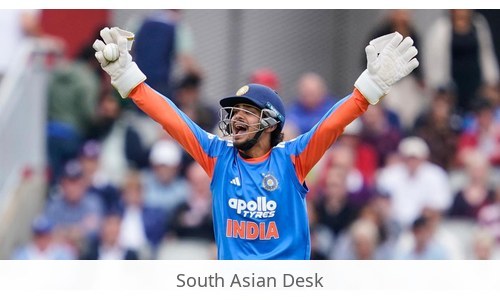
Ishan Kishan playing conditions: On July 6, 2026, Indian wicketkeeper-batter Ishan Kishan stated that India needs to understand conditions better during a post-match interview following England’s victory in the second T20I at Old Trafford. Kishan’s remarks highlight the importance of adapting to varying playing conditions, which he believes significantly impacted India’s performance in the match. His comments come amid broader discussions within international cricket about the role of venue-specific factors in shaping outcomes, particularly in high-stakes series.
Ishan Kishan playing conditions: Kishan’s Insights on Playing Conditions
Kishan praised England’s young player, Bethell, for his match-winning performance in the second T20I. According to The Hindu, Kishan noted that Bishnoi’s three no-balls in the match made it easier for Bethell to score, underscoring the need for greater precision from Indian bowlers. ESPNcricinfo reported that Kishan emphasized the importance of understanding local conditions to avoid such errors in future matches. This aligns with historical patterns in cricket, where teams have often struggled to adapt to foreign pitches, weather, and fielding strategies. For instance, India’s 2019 World Cup campaign saw similar challenges in adapting to English conditions, which affected their batting and bowling approaches. Kishan’s remarks suggest a recognition of these recurring issues and a call for systemic improvements in preparation.
Impact of Individual Performances
The match at Old Trafford saw individual errors, such as Bishnoi’s no-balls, directly influencing the outcome. Kishan highlighted that such mistakes can disrupt team dynamics and affect overall performance. He stressed the importance of individual accountability, stating that players must focus on executing their roles effectively under varying conditions. This perspective reflects a growing emphasis on precision in modern cricket, where even minor errors—such as no-balls, dropped catches, or misjudged field placements—can shift momentum. For example, in the 2021 T20 World Cup, Australia’s loss to Pakistan was partly attributed to a single dropped catch that allowed a crucial run chase. Kishan’s comments underscore the need for players to maintain composure and technical accuracy, especially in unfamiliar environments.
Broader Context: Adapting to International Conditions
The issue of adapting to playing conditions is not unique to this series. Cricket teams routinely face challenges when touring abroad, from the pace and bounce of pitches to the humidity and altitude of venues. For instance, India’s 2022 tour of South Africa saw their batsmen struggle against the fast-paced, high-bouncing pitches, while their bowlers faced difficulties adjusting to the overcast conditions in Durban. Similarly, England’s 2023 tour of India was marked by concerns about the spin-friendly tracks, which led to adjustments in bowling strategies. Kishan’s remarks suggest a need for India to institutionalize better preparation for such variations, including more rigorous pre-tour analysis of venues and tailored training sessions. Understanding Ishan Kishan playing conditions could be a critical step in this evolution.
Strategic Implications for Team Management
Kishan’s comments also raise questions about the role of coaching and support staff in preparing players for diverse conditions. Cricket analysts have long argued that successful teams invest heavily in data-driven preparation, using historical match data and pitch reports to inform strategies. For example, New Zealand’s success in overseas conditions has been attributed to their use of advanced analytics and player-specific training regimens. In contrast, India’s recent struggles in overseas T20Is may indicate gaps in such preparation. Kishan’s emphasis on understanding conditions could signal a shift toward prioritizing this aspect in team management, potentially influencing future selections and training protocols.
Conclusion
Kishan’s comments reinforce the need for Indian players to adapt to different playing conditions and learn from past mistakes. As the series progresses, the focus on improving understanding of conditions will be crucial for India’s performance in upcoming matches. His remarks also reflect a broader trend in cricket toward technical precision and strategic adaptability, which will likely shape the evolution of the sport in the coming years.
Follow SouthAsianDesk on X, Instagram and Facebook for insights on business and current affairs from across South Asia.
Sources
- India needs to understand conditions better: Kishan – thehindu.com
- Bethell’s takedown of Bishnoi takes England 1-0 up – cricinfo.com
Image: th-i.thgim.com