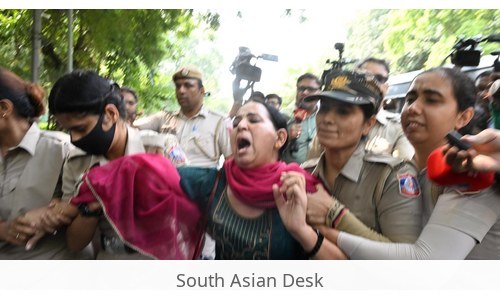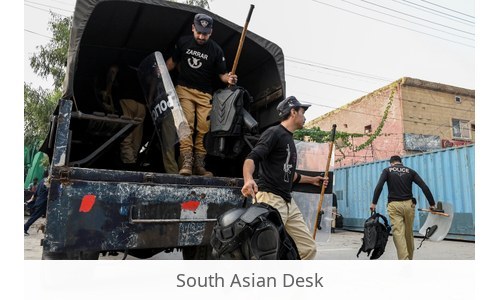
The Khyber Pakhtunkhwa emergency rule has triggered widespread unrest in the region, with protests erupting on October 14, 2026, following the federal government’s imposition of emergency and governor’s rule. Clashes between demonstrators and law enforcement have intensified, while authorities have detained key political figures linked to Imran Khan’s Pakistan Tehreek-e-Insaf (PTI) party. The Khyber Pakhtunkhwa emergency rule has also disrupted regional sports events, with the President’s Trophy matches relocated out of Peshawar and Abbottabad, underscoring the broader impact of the crisis on public life.
Khyber Pakhtunkhwa Emergency Rule: Political Implications of Emergency Rule
The federal government’s declaration of the Khyber Pakhtunkhwa emergency rule has deepened political tensions in the province. Al Jazeera reports that protesters clashed with police over the emergency and governor’s rule, while Khaama Press highlights that Khyber Pakhtunkhwa Chief Minister Sohail Afridi and several provincial cabinet members have been detained. The emergency rule has also led to the arrest of hundreds of PTI supporters, further escalating unrest in Khyber Pakhtunkhwa. Analysts suggest this move could have long-term consequences for Imran Khan’s political situation, particularly as his party faces internal divisions and external pressures.
The violence in Pakistan has not been confined to Khyber Pakhtunkhwa. While the emergency rule has been the immediate catalyst, the broader political detentions in Pakistan reflect a pattern of crackdowns on dissent. The detention of high-profile figures, including provincial leaders, has raised concerns about the erosion of democratic norms and the potential for further instability. This aligns with broader protests in Pakistan in response to perceived government overreach, particularly in regions with strong PTI support.
International Community Response
The international community has expressed concern over the violence in Pakistan and the emergency rule. While no formal statements have been issued by major global institutions, diplomatic channels suggest that the situation could influence regional stability and cross-border relations. The shifting of President’s Trophy matches out of Peshawar and Abbottabad, as reported by ESPNcricinfo, highlights the broader impact of the emergency rule on Pakistan’s public life and infrastructure.
Impact on Daily Life and Regional Stability
The imposition of the emergency rule has had far-reaching effects beyond political and security concerns. Local businesses in Peshawar and Abbottabad have reported significant declines in foot traffic, with many merchants expressing fears about the long-term economic consequences. Schools and universities have also been affected, with some institutions temporarily closing to ensure the safety of students and staff. The disruption of daily life underscores the gravity of the situation and the need for a resolution that addresses both immediate security concerns and underlying political grievances.
The Role of Media and Public Discourse
Media outlets have played a crucial role in documenting the emergency rule and its aftermath. Reports from Al Jazeera and Khaama Press have provided critical insights into the scale of violence in Pakistan and the political detentions in Pakistan. These accounts have fueled public discourse, with many citizens calling for transparency and accountability from both the federal government and local authorities. The media’s coverage has also highlighted the broader protests in Pakistan and the growing discontent among the population, particularly in regions where PTI has a strong presence.
Long-Term Consequences and Political Outlook
Analysts warn that the rule could have lasting implications for Pakistan’s political landscape. The political situation surrounding Imran Khan remains a focal point, with his party facing challenges in maintaining unity and public support amid the crisis. The unrest in Khyber Pakhtunkhwa has also raised questions about the effectiveness of the federal government’s approach to managing dissent and ensuring stability. As the situation evolves, the international community will likely continue to monitor developments closely, with potential implications for regional security and diplomatic relations.
Follow SouthAsianDesk on X, Instagram and Facebook for insights on business and current affairs from across South Asia.
Sources
- Violence in Pakistan over emergency rule in Imran Khan stronghold – aljazeera.com
- Pakistan Detains PTI Leaders as Emergency Rule Escalates Standoff With Imran Khan – khaama.com
- President’s Trophy matches shifted out of Peshawar and Abbottabad – cricinfo.com
Image: p.imgci.com