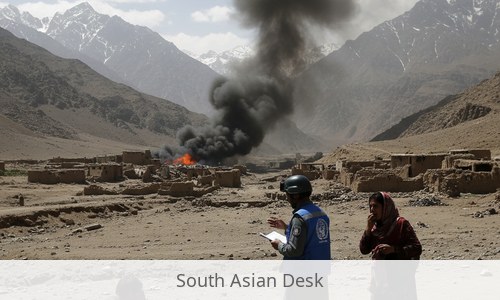
Kunar airstrikes have drawn renewed attention from the United Nations, which has reiterated its call for respect for international law following the incident in Kunar, Afghanistan, that reportedly resulted in civilian casualties. The United Nations Assistance Mission in Afghanistan (UNAMA) confirmed at least three civilian deaths, including a man, a woman, and a girl, with four additional individuals injured in the incident. The airstrikes occurred amid rising tensions between Pakistan and the Taliban following militant attacks in Pakistan, raising concerns about cross-border military actions and their humanitarian impact.
Humanitarian Impact of the Kunar Airstrikes
UNAMA reported that the Kunar airstrikes in Kunar province resulted in the deaths of a man, a woman, and a girl, along with injuries to four others. The mission emphasized the urgent need to protect civilian populations in conflict zones, stating that such incidents underscore the risks posed by escalating violence in the region. The UN has called for immediate investigations into the circumstances surrounding the Kunar airstrikes to determine accountability and prevent further loss of life. This aligns with the UN call for international law, which remains a central focus in addressing such incidents.
Regional Tensions and Pakistan Taliban Relations
The incident highlights the volatile relationship between Pakistan and the Taliban, which has been exacerbated by recent militant attacks on Pakistani soil. Pakistan has repeatedly accused the Taliban of harboring militants responsible for attacks within its borders, while the Taliban has denied such claims and accused Pakistan of conducting cross-border operations. This cycle of retaliation has contributed to a fragile security environment in South Asia, with the potential for broader regional instability. The Pakistan Taliban relations remain a critical factor in the ongoing tensions, as both sides struggle to balance sovereignty and security concerns. The South Asia tensions have been further complicated by the Kunar airstrikes, as regional actors grapple with the implications of cross-border military actions.
The UN’s Role in Upholding International Law
The United Nations has consistently advocated for adherence to international humanitarian law, emphasizing that all parties involved in the conflict must take measures to minimize civilian harm. UN officials have urged diplomatic engagement to de-escalate tensions and prevent further violence. The international community is closely monitoring the situation, with potential responses ranging from diplomatic condemnation to calls for increased humanitarian aid to affected areas. The UN call for international law remains a central theme in the UN’s response to the Kunar airstrikes and similar incidents.
Civilian Casualties in Afghanistan and the UNAMA Report
The civilian casualties in Afghanistan reported in the the result have drawn sharp criticism from international observers and humanitarian organizations. UNAMA’s report underscores the need for greater accountability and transparency in military operations to protect non-combatants. The UNAMA report highlights the disproportionate impact of such actions on vulnerable populations, including women and children, and calls for stricter adherence to international humanitarian law. This aligns with the broader UN call for international law and the need to address the South Asia tensions that have been exacerbated by such incidents.
Broader Implications for South Asia
The South Asia tensions have been further complicated by the the result, as regional actors grapple with the implications of cross-border military actions. The incident has reignited debates about the role of international actors in mediating conflicts and ensuring compliance with international law. The UN’s emphasis on the UN call for international law reflects a broader effort to stabilize the region and prevent further escalation. The Pakistan Taliban relations remain a critical factor in this dynamic, as both sides continue to navigate the delicate balance between security and sovereignty.
Follow SouthAsianDesk on X, Instagram and Facebook for insights on business and current affairs from across South Asia.