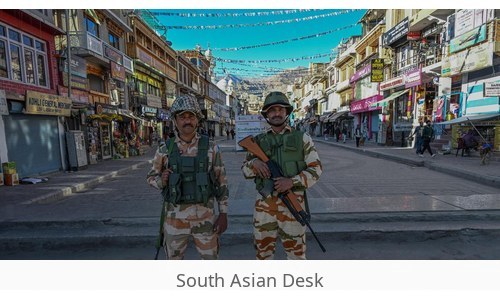
On September 24, 2026, Ladakh protests erupted to mark the anniversary of violence that occurred during demonstrations for statehood and Sixth Schedule protections. The Ladakh administration announced the withdrawal of cases against 20 locals, signaling a potential shift towards reconciliation and peace in the region. This move, made just one day before the anniversary of the September 24 violence, has sparked discussions about the future of governance and autonomy in Ladakh.
Context and Significance
The Ladakh protests of September 24, 2026, were held to commemorate the anniversary of violence that occurred during demonstrations seeking statehood and Sixth Schedule safeguards for Ladakh. The Ladakh administration’s decision to withdraw cases against 20 individuals involved in the protests was described as a significant step toward fostering peace and social harmony. This symbolic gesture, announced just one day before the anniversary of the September 24 violence, underscores the administration’s attempt to address lingering tensions over statehood demands and Sixth Schedule protections. The Sixth Schedule of the Indian Constitution provides for the administration of tribal areas in the Northeast, granting them a degree of self-governance. Ladakh’s unique geographical and cultural identity has long been a focal point for debates on administrative autonomy, with local leaders arguing that the region’s distinct needs require tailored governance frameworks.
Ladakh Protests: Role of Local Leaders
Sonam Wangchuk led a symbolic padyatra in Leh on September 24, 2026, to mark the first anniversary of the September 24 violence. His actions underscored the role of local leadership in shaping political discourse in Ladakh. The padyatra served as both a commemoration and a call for continued dialogue on governance and autonomy. Wangchuk, a prominent advocate for statehood demands, emphasized the need for the Ladakh administration to address the grievances of the local population, particularly regarding land rights and cultural preservation under the Sixth Schedule protections. His efforts have galvanized public support, with many viewing him as a unifying figure in the region’s ongoing struggle for greater autonomy. The padyatra also highlighted the growing influence of grassroots movements in Ladakh, which have increasingly sought to engage with both local and national authorities to advocate for their rights.
Future Implications
The withdrawal of cases against 20 locals may influence local governance and community relations in Ladakh. While the Ladakh administration framed the move as a step toward reconciliation, the long-term effects on public sentiment and future protests regarding statehood demands and autonomy remain to be seen. The decision reflects ongoing tensions in Ladakh regarding its political status and governance, particularly in the context of Sixth Schedule protections. Analysts suggest that this gesture could either de-escalate tensions or reignite protests if the Ladakh protests‘ core issues—such as resource allocation and administrative autonomy—are not adequately addressed. The withdrawal of cases may also serve as a test of the administration’s commitment to dialogue, with local leaders closely monitoring whether this gesture translates into tangible policy changes.
Broader Impact on Regional Politics
The Ladakh protests have drawn attention to the broader political landscape of Jammu and Kashmir, where similar movements for autonomy have historically been met with resistance. The September 24 violence anniversary has become a focal point for activists, who argue that the Ladakh administration must prioritize dialogue over punitive measures. Sonam Wangchuk’s padyatra highlighted the growing influence of grassroots leaders in shaping the narrative around statehood demands, while critics warn that the withdrawal of cases may be perceived as a temporary fix rather than a resolution to systemic issues. The situation in Ladakh is also being watched closely by other regions in the Northeast, where debates over self-governance and resource distribution are ongoing. The outcome of this development could set a precedent for how similar demands are addressed in other parts of the country.
Conclusion
As the Ladakh protests continue to evolve, the interplay between local leadership, administrative decisions, and the legacy of the September 24 violence will shape the region’s future. The Ladakh administration‘s move to withdraw cases against protesters is a pivotal moment, but its success will depend on sustained efforts to address the root causes of unrest, including Sixth Schedule protections and statehood demands. The coming months will be critical in determining whether this gesture marks a turning point toward lasting peace or merely a pause in the ongoing struggle for autonomy.
Follow SouthAsianDesk on X, Instagram and Facebook for insights on business and current affairs from across South Asia.
Sources
- Ladakh bodies hold protests ahead of Sep. 24 violence anniversary; Ladakh L-G withdraws cases against 20 locals – thehindu.com
- Ladakh Drops Cases Against Protesters Day Before September 24 Anniversary – ndtv.com
Image: th-i.thgim.com