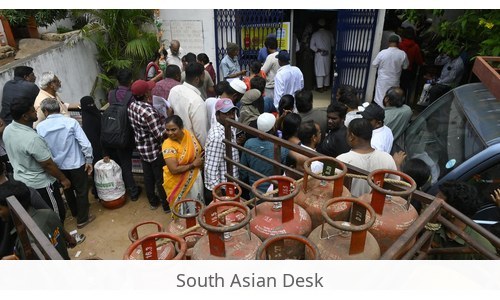
LPG connections India are currently on hold as the Petroleum Ministry confirmed a temporary halt on new LPG connections due to ongoing geopolitical tensions in West Asia. Applications for new connections have been pending since March 2026, affecting households and businesses reliant on the fuel. The move underscores India’s vulnerability in energy security amid regional instability.
LPG connections India: Implications for Households and Businesses
The suspension has disrupted daily life for millions of Indian households dependent on LPG for cooking and heating. Distributors report increased demand for existing cylinders, with many consumers facing delays in refills. Small businesses, particularly in food services and manufacturing, are also grappling with operational challenges due to limited LPG availability.
The impact is most acutely felt in urban and semi-urban areas, where LPG is a primary cooking fuel. For low-income families, the delay in refills has forced reliance on alternative fuels such as firewood or kerosene, which are both costlier and less safe. In rural areas, where LPG penetration is lower, the disruption has prompted a temporary resurgence in the use of traditional biomass, exacerbating indoor air pollution concerns. Small-scale eateries and food processing units, which depend on LPG for consistent heat, have reported reduced operating hours or temporary closures, affecting livelihoods and local economies.
Energy Security Concerns
India’s reliance on LPG imports from West Asia—primarily Qatar, Iran, and the UAE—has exposed critical vulnerabilities in its energy infrastructure. The Petroleum Ministry has not provided a timeline for resuming new connections, citing the need to monitor geopolitical developments. Analysts warn that prolonged disruptions could strain domestic supply chains and inflationary pressures.
The geopolitical tensions in West Asia, including recent escalations in maritime disputes and regional conflicts, have disrupted critical shipping routes such as the Strait of Hormuz. This chokepoint, through which a significant portion of global oil and gas transit occurs, has seen increased naval activity and heightened risks of supply interruptions. India’s energy security India is particularly at risk, as over 60% of its LPG needs are sourced from the Gulf. The lack of diversified import sources and the slow progress on domestic LPG production have left India in a precarious position, with no immediate buffer against such geopolitical shocks.
Alternative Solutions Being Promoted
In response, distributors are promoting 5-kg free-trade cylinders and 10-kg composite cylinders as temporary alternatives. These options, while less convenient, offer immediate relief for consumers. However, critics argue that long-term solutions require diversifying energy sources and accelerating domestic production.
The 5-kg free-trade cylinders, which are lighter and more portable, are being distributed through retail networks and local vendors, though their limited capacity means more frequent refills. The 10-kg composite cylinders, which are more durable and cost-effective, are being prioritized for commercial users. However, both alternatives face logistical challenges, including the need for additional storage infrastructure and the potential for increased transportation costs. Industry experts caution that these measures are stopgaps and do not address the systemic issues in India’s energy import strategy.
Historical Context of India’s LPG Policy
India’s LPG program, initiated in the 1950s, has evolved into a cornerstone of the country’s energy policy. The Pradhan Mantri Ujjwala Yojana, launched in 2016, aimed to provide LPG connections India to over 80 million households, significantly boosting access to clean cooking fuel. However, the program’s success has also increased dependency on imported LPG, with domestic production failing to keep pace. In 2024, India’s LPG import bill reached a record high of $12 billion, with over 80% of supplies sourced from West Asia. This reliance has made the country particularly vulnerable to regional instability, as evidenced by the current suspension of new connections.
Broader Regional and Economic Implications
The suspension of new LPG connections has broader implications for India’s economic stability. The energy sector contributes approximately 3% to India’s GDP, and disruptions in LPG supply could ripple through industries reliant on consistent fuel availability. Additionally, the increased use of alternative fuels may lead to a temporary rise in carbon emissions, conflicting with India’s climate commitments under the Paris Agreement. The government has yet to announce specific measures to mitigate these effects, though some analysts suggest a potential acceleration of renewable energy projects as a long-term solution.
Follow SouthAsianDesk on X, Instagram and Facebook for insights on business and current affairs from across South Asia.
Sources
- New LPG connections still on hold due to latest flare-ups in West Asia – thehindu.com
- India turns to US for LPG, LNG as Strait of Hormuz crisis hits Gulf supplies – indianexpress.com
Image: th-i.thgim.com