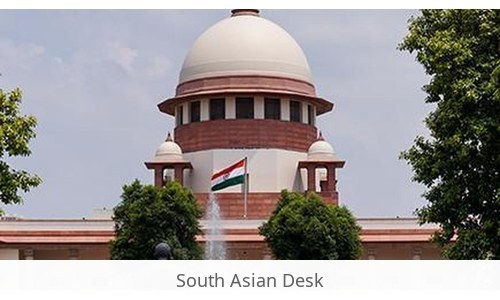
On September 16, 2026, the Supreme Court of India is hearing a Supreme Court plea challenging the imposition of MDR on UPI payments above ₹2,000. The petitioner argues that MDR on UPI payments of up to ₹2,000 and person-to-person transfers should remain free, highlighting the potential impact on small merchants UPI and consumer behavior in India’s digital payments India landscape.
MDR on UPI Payments: Impact on Small Merchants
Small merchants receiving up to ₹1 lakh per month through UPI QR codes are currently exempt from MDR. However, the proposed fee could impose a financial burden on those exceeding this threshold. The petitioner contends that MDR on UPI payments of up to ₹2,000 should remain free, emphasizing the role of digital payments India in supporting small businesses. This exemption is critical for small merchants UPI, who rely heavily on UPI for daily transactions and operational efficiency. The introduction of UPI transaction fees may also affect how small businesses manage their cash flow, particularly in sectors where UPI is the primary mode of transaction. For instance, street vendors, local grocery stores, and small service providers often depend on UPI for quick and seamless payments, and any additional cost could reduce their profit margins or force them to absorb the expense, potentially leading to reduced service quality or higher prices for consumers.
Consumer Behavior Shifts
The introduction of UPI transaction fees may prompt consumers to seek alternative payment methods to avoid costs. This could include cash transactions, card payments, or other digital wallets. The petitioner’s argument underscores concerns about how such fees might alter consumer preferences and economic activity in the informal sector. For instance, if the result becomes standard, users might shift to platforms with lower or no fees, potentially undermining the growth of digital payments India. This shift could have long-term implications for financial inclusion, as many low-income consumers depend on UPI for seamless, low-cost transactions. The transition to cash or other methods could also increase the risk of financial exclusion for those without access to traditional banking services, thereby contradicting India’s broader goals of promoting digital literacy and financial inclusion.
Legal and Regulatory Context
The plea raises broader questions about India financial regulations and their alignment with economic inclusivity. The Supreme Court’s decision could influence the regulatory framework governing UPI, potentially shaping future policies on digital payments India and financial inclusion. This case is a pivotal moment in the evolution of India financial regulations, as it balances the interests of financial institutions, merchants, and consumers. The outcome may also set a precedent for how UPI transaction fees are structured in the future, ensuring they do not disproportionately affect vulnerable segments of the population. The Reserve Bank of India (RBI), which has been instrumental in shaping India financial regulations, has previously emphasized the importance of maintaining low-cost digital payment systems to foster financial inclusion. This case could test the RBI’s ability to reconcile the need for sustainable revenue models with the imperative to support small businesses and low-income consumers.
Broader Implications for Digital Payments in India
The debate over the result reflects the ongoing tension between promoting digital transactions and ensuring affordability for all users. While the Reserve Bank of India (RBI) has been instrumental in shaping India financial regulations, the current case highlights the need for a nuanced approach that considers the diverse needs of small merchants UPI and consumers. The Supreme Court’s ruling could either reinforce the current framework or lead to reforms that better align with the goals of digital payments India. For example, if the court rules in favor of maintaining the current MDR exemptions, it could encourage further innovation in digital payment systems and ensure that small businesses continue to benefit from a low-cost transaction environment. Conversely, if the court upholds the proposed MDR, it may necessitate a reevaluation of how fees are structured to prevent adverse effects on small businesses and consumers.
Follow SouthAsianDesk on X, Instagram and Facebook for insights on business and current affairs from across South Asia.
Sources
- Plea in Supreme Court against imposition of MDR on UPI payments of above ₹2,000 – thehindu.com
- Opinion: Opinion | How A Tiny 0.4% UPI Fee Could Change How India Pays – ndtv.com
Image: th-i.thgim.com