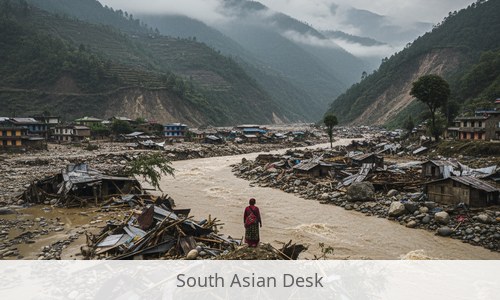
Nepal floods climate change: On August 26, 2026, catastrophic flooding struck Nepal, leaving 1,446 people dead and at least 6,669 missing. The disaster has sparked urgent discussions about climate change’s role in exacerbating extreme weather events, with scientists emphasizing the disproportionate impact on nations like Nepal that contribute minimally to global emissions. This flooding in Nepal has become a stark reminder of the climate change impact on vulnerable regions, where rising temperatures and altered precipitation patterns are reshaping ecosystems and human livelihoods.
Nepal floods climate change: Impact on Communities
Survivors in Nuwakot district described near-total devastation, with nearly every household affected by the floods. Local residents reported losing homes, livestock, and ancestral heirlooms to rapidly rising waters. Community leaders noted that recovery efforts are hindered by limited infrastructure and the scale of destruction. International aid organizations have begun assessing needs, though logistical challenges persist in remote mountainous regions. The community resilience Nepal is being tested as families navigate the long-term consequences of this disaster, from rebuilding livelihoods to addressing mental health crises exacerbated by the trauma of displacement.
Climate Change Connection
Scientists attribute the floods’ severity to climate change, citing increased rainfall intensity and shifting monsoon patterns linked to global warming. According to Al Jazeera, researchers highlight that Nepal’s vulnerability is compounded by deforestation and inadequate flood defenses. OnlineKhabar reported that climate models predict more frequent extreme weather events in the Himalayan region, where glacial melt and heavy precipitation are becoming the new normal.
This climate change impact is particularly acute in regions like Nepal, where the effects of global warming are felt most acutely despite minimal contributions to emissions. The interplay of natural and human factors—such as land-use changes and insufficient disaster preparedness—has amplified the disaster’s scale, underscoring the urgent need for climate action needed on a global scale.
Need for Global Action
The floods underscore the urgent need for climate action needed, particularly for nations least responsible for emissions. International aid agencies have called for accelerated funding for climate resilience programs in South Asia. The United Nations has reiterated its commitment to supporting vulnerable regions through the Green Climate Fund, though implementation gaps remain.
Nepal’s government has requested urgent assistance to rebuild infrastructure and implement long-term disaster mitigation strategies, highlighting the critical role of Nepal disaster response in future preparedness. Local NGOs and international partners are collaborating to develop early warning systems and sustainable land management practices, aiming to reduce the risk of future disasters while addressing the root causes of climate change.
Long-Term Implications and Community Recovery
As Nepal grapples with the aftermath of the floods, the focus has shifted to long-term recovery and adaptation. Community resilience Nepal is being strengthened through initiatives that prioritize local knowledge and traditional practices, such as terraced farming and water conservation techniques. These efforts are complemented by international partnerships that provide technical expertise and financial support for climate-resilient infrastructure. However, the path to recovery remains fraught with challenges, including the need for sustained political will, equitable resource distribution, and the integration of climate science into national policy frameworks.
Conclusion
The Nepal floods climate change event of 2026 serves as a sobering wake-up call for the global community. It highlights the interconnectedness of climate action, disaster response, and social equity. As scientists continue to study the disaster’s causes and consequences, the international community must rise to the challenge of supporting nations like Nepal in their fight against climate change. Only through collective action can we hope to mitigate the worst impacts of a warming planet and build a future where communities like those in Nepal are not left to bear the brunt of a crisis they did not create.
Follow SouthAsianDesk on X, Instagram and Facebook for insights on business and current affairs from across South Asia.
Sources
- Climate change had major role in triggering Nepal floods, scientists say – aljazeera.com
- Nepal is paying the price for a climate crisis it did not create – english.onlinekhabar.com