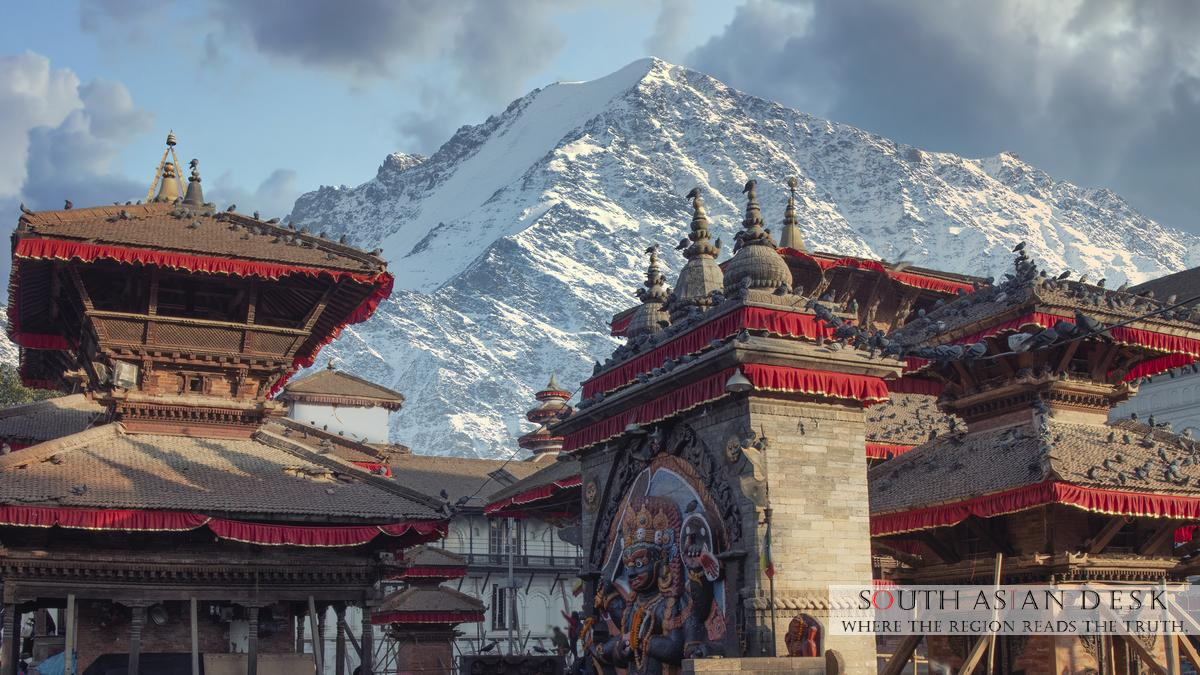
On May 29, 2026, Nepal celebrated Everest Day, a time when climbers and summit achievements usually dominate discussions. However, this year, attention turns to Kathmandu, a city pulsating with spirituality and cultural richness, as it hosts a variety of events that highlight its unique cultural tapestry.
Kathmandu’s Durbar Square becomes a focal point of activity, where tourists, influencers, and locals converge. The presence of the Kumari, a living goddess, captivates visitors as she appears at the intricately carved windows of the Kumari Ghar. Despite signs prohibiting TikTok recordings, the cultural spectacle continues to attract digital creators.
Nepal is undergoing significant transitions, marked by the recent protests led by Gen Z that reshaped its political landscape. The appointment of Balendra Shah, a former rapper, as the country’s youngest Prime Minister, has infused a sense of optimism. His leadership is seen as a beacon of hope for the younger generation eager for change.
The tourism industry, impacted by regional tensions and the recent political upheaval, is witnessing a resurgence. Hotels like Moxy Kathmandu report increasing occupancy rates, buoyed by the country’s evolving political scene and its rich cultural offerings. The Nepal Tourism Board emphasizes the potential for growth in areas beyond trekking, such as cultural tourism and wellness retreats.
As Kathmandu and its neighboring heritage sites like Patan and Bhaktapur beckon travelers, the blend of ancient traditions and modernity promises an enriching experience. With the backdrop of Nepal’s vibrant festivals, historical sites, and emerging political landscape, the country is poised to attract a diverse array of global visitors.
Published in SouthAsianDesk, May 29, 2026
Follow SouthAsianDesk on X, Instagram and Facebook for insights on business and current affairs from across South Asia.