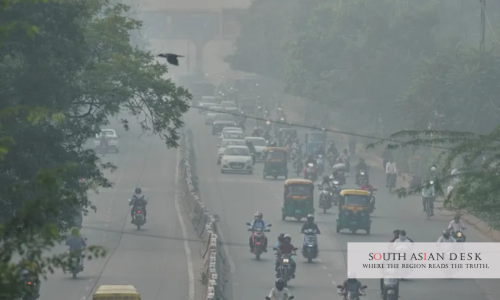
New Delhi EV scrappage incentive plans will offer residents up to $1,000 to scrap old vehicles and switch to electric cars, as the Indian capital tries to cut emissions from one of its biggest sources of air pollution: road transport.
The measure is part of Delhi’s new electric vehicle policy, which has been approved by the city cabinet and is expected to come into effect from July 1. The policy includes a four-year outlay of around Rs15,000 crore and aims to make electric vehicles more affordable while gradually pushing older and more polluting vehicles off the road.
Under the proposed framework, residents who scrap old cars and buy electric vehicles will be eligible for financial support. The policy also includes road tax and registration fee exemptions for electric cars priced up to Rs30 lakh, alongside incentives for electric two-wheelers and three-wheelers.
The move comes as New Delhi continues to struggle with severe air pollution, particularly during the winter months when vehicle emissions combine with industrial pollution, construction dust, crop residue burning and stagnant weather conditions.
New Delhi EV Scrappage Incentive Targets Polluting Vehicles
The New Delhi EV scrappage incentive is designed to address a long-running problem in the capital: ageing petrol and diesel vehicles that continue to contribute to poor air quality.
Delhi already has restrictions on older vehicles, including bans on petrol vehicles older than 15 years and diesel vehicles older than 10 years. However, enforcement has often been controversial, with many owners arguing that well-maintained vehicles should not be taken off the road purely because of their age.
By linking scrappage with an EV purchase incentive, the government is trying to make the transition less financially painful for residents. Instead of only penalising owners of older vehicles, the policy offers them a cleaner replacement pathway.
This matters because vehicle emissions are a constant source of pollution in Delhi. Unlike seasonal contributors such as stubble burning, traffic-related emissions affect the city throughout the year and are concentrated close to homes, schools, offices and busy roads.
Delhi EV Policy Pushes Wider Clean Mobility Shift
The new Delhi EV policy goes beyond private cars. It also offers subsidies of up to Rs50,000 for electric two-wheelers and three-wheelers during the first year of implementation, while continuing existing tax benefits for electric vehicles.
This is significant because two-wheelers and three-wheelers make up a large portion of Delhi’s daily traffic. Auto-rickshaws, delivery vehicles and commuter motorcycles are heavily used across the city, making them an important target for any clean mobility plan.
The policy also sets a phased transition for certain vehicle categories. From January 1, 2027, only electric auto-rickshaws will be eligible for new registration in Delhi. From April 1, 2028, the registration of new petrol and CNG two-wheelers is expected to end.
If implemented effectively, these measures could shift a large share of Delhi’s urban transport system toward electric mobility within the next few years.
Why Delhi Is Betting on Electric Vehicles
New Delhi’s air pollution crisis has become a recurring public health emergency. Every winter, the city faces days of severe or hazardous air quality, forcing schools to close, construction activity to be restricted and residents to limit outdoor movement.
Vehicles are not the only cause of Delhi’s pollution, but they are one of the most visible and politically manageable contributors. Cutting tailpipe emissions through electric vehicles allows the government to act on a source of pollution that is present every day.
Electric vehicles do not produce tailpipe emissions, which can help reduce roadside exposure to harmful pollutants. However, the wider environmental benefit depends on how electricity is generated, how batteries are manufactured and whether charging infrastructure is widely available.
That is why Delhi’s EV push will need more than subsidies. It will require reliable charging stations, battery-swapping networks, affordable financing, clear scrappage procedures and strong enforcement.
Charging Infrastructure Will Decide Success
A major challenge for electric vehicles in Delhi is access to charging. Many residents live in apartments or neighbourhoods where private parking is limited. For them, buying an EV only makes sense if public charging stations are easy to find, affordable and reliable.
This issue is even more important for commercial users such as delivery workers, ride-hailing drivers and auto-rickshaw operators. These drivers need vehicles that can remain on the road for long hours, which means charging downtime directly affects their income.
If the government builds enough charging and battery-swapping infrastructure, EV adoption could accelerate quickly. If charging remains inconvenient, the policy may benefit only wealthier households that can install chargers at home.
A Difficult Transition for Vehicle Owners
The scrappage incentive may help soften resistance, but some vehicle owners are still likely to object. For many families, an old car is not simply a polluting asset; it is a major household investment. Even with a subsidy, switching to a new electric car may remain expensive.
The government will therefore need to ensure that the scrappage process is transparent and simple. Residents should know which vehicles qualify, how much support they can receive, how payments will be made and which EV purchases are eligible.
If the system is slow or confusing, public trust may suffer. If it works smoothly, the policy could become a model for other Indian cities facing similar pollution and traffic pressures.
Could Delhi’s Policy Become a Model?
Delhi’s new EV policy is one of the most ambitious urban clean mobility plans in India. Other major cities, including Mumbai, Bengaluru and Kolkata, are also dealing with traffic emissions and air quality concerns, but Delhi’s pollution crisis gives its policy added urgency.
If the New Delhi EV scrappage incentive succeeds, it could encourage other states to combine old vehicle retirement with EV subsidies, tax exemptions and charging infrastructure.
For now, the policy marks a serious attempt to change consumer behaviour while tackling air pollution. The real test will be implementation. Delhi has announced a bold shift toward electric mobility, but cleaner air will depend on how quickly incentives reach buyers, how effectively old vehicles are phased out and whether the city can build the infrastructure needed to support a much larger EV fleet.
Published in SouthAsianDesk, June 30, 2026
Follow SouthAsianDesk on X, Instagram and Facebook for insights on business and current affairs from across South Asia.