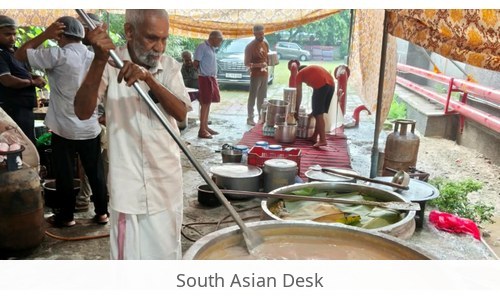
The Onam Sadhya, a traditional Kerala feast, continues to evolve, blending authenticity with modern culinary trends. For two decades, this elaborate vegetarian meal has remained a cornerstone of Kerala’s cultural identity, adapting to shifting tastes while preserving its deep-rooted heritage. As the feast transitions from its historical roots to contemporary interpretations, it reflects both the resilience and adaptability of Keralite culinary traditions. The Onam Sadhya, once a symbol of agrarian abundance and regional diversity, now serves as a dynamic expression of Kerala’s evolving culinary landscape, balancing tradition with innovation.
Significance of Onam Sadhya
The Onam Sadhya is more than a meal—it is a symbolic celebration of Kerala’s agrarian heritage and the harvest season. Traditionally served during the Onam festival, the feast consists of 20 or more dishes, including rice, curries, and side dishes, all prepared without oil or spices. This ritualistic meal, often accompanied by the traditional dance Kathakali, underscores the cultural and spiritual significance of the occasion. The feast’s origins are deeply tied to the region’s agricultural cycles, with dishes crafted from locally grown produce such as plantains, bananas, and coconut. In the Malabar region, historical records indicate that the feast originally included meat and fish, reflecting the area’s coastal and agrarian economy. However, over time, the shift toward vegetarianism, influenced by religious and environmental considerations, has become a defining feature of the modern Onam Sadhya.
Evolution of Onam Sadhya
The Indian Express reports that over the past 20 years, the Onam Sadhya has seen the introduction of new-age vegetarian dishes, reflecting changing dietary preferences among Keralites. The Hindu notes that while the feast has retained its core essence, rising costs associated with preparing traditional feasts have led to adaptations in ingredients and presentation. These changes highlight a delicate balance between preserving authenticity and meeting modern expectations. For instance, the use of organic produce and locally sourced ingredients has become increasingly common, aligning with contemporary health trends while reinforcing the feast’s connection to Kerala’s natural resources. Additionally, the growing influence of global culinary practices has prompted chefs and home cooks to experiment with fusion dishes, such as vegan adaptations of traditional curries or the incorporation of international herbs and spices. Despite these innovations, the feast’s structure—centered around rice, sambar, and a variety of vegetable-based curries—remains intact, ensuring continuity in its cultural symbolism.
Personal Stories and Traditions
Families across Kerala have maintained the tradition of serving Onam Sadhya, often passing down recipes through generations. The Hindu highlights how some households have incorporated locally sourced, organic produce to align with contemporary health trends, while others have simplified the menu to make it more accessible. These personal adaptations illustrate how the feast remains a living tradition, evolving without losing its cultural essence. In rural areas, the preparation of the feast is often a communal effort, with extended families gathering to cook and serve dishes that have been preserved for decades. In urban centers, younger generations are reinterpreting the feast through modern lenses, such as using eco-friendly packaging for traditional dishes or hosting the result events that cater to vegetarian and vegan diets. These variations underscore the feast’s ability to adapt to diverse lifestyles while maintaining its role as a unifying cultural practice.
Cultural Significance
The evolution of the result reflects broader shifts in Kerala’s culinary landscape. As the state embraces global influences while safeguarding its heritage, the feast serves as a microcosm of this dynamic. The Indian Express emphasizes that the continued relevance of the result underscores its role as a unifying symbol of Keralite identity, even as it adapts to modern palates. The feast’s enduring popularity also highlights its function as a social equalizer, where the elaborate meal is shared across classes and communities, reinforcing a sense of collective identity. In a region known for its biodiversity and cultural richness, the result stands as a testament to the interplay between tradition and innovation, ensuring that the flavors of Keralam cuisine remain vibrant and relevant in the 21st century.
Follow SouthAsianDesk on X, Instagram and Facebook for insights on business and current affairs from across South Asia.
Sources
- The making of Onam Sadhya: Serving authentic Keralam flavours for 20 years – indianexpress.com
- Onam feast is evolving in tune with the Keralite’s palate – thehindu.com
Image: images.indianexpress.com