Pakistan austerity measures introduced for fuel conservation have been terminated, but revised market timings will remain in force under earlier government notifications, according to a fresh decision approved by Prime Minister Shehbaz Sharif.
The decision ends all fuel conservation and additional austerity measures notified by the Cabinet Division from time to time since March 9, except the market timings set out in notifications issued on June 3 and June 10.
The measures had been introduced after the Middle East conflict disrupted global energy markets and raised concerns over fuel supplies, oil prices and shipping through the Strait of Hormuz. The government had framed the restrictions as temporary steps to reduce energy use and ease pressure on the economy.
Pakistan Austerity Measures Lifted After Energy Review
The termination marks a significant easing of restrictions imposed over the past several months. The government had earlier ordered a range of fuel-saving measures, including restrictions on business operating hours and other austerity steps across federal departments and commercial activity.
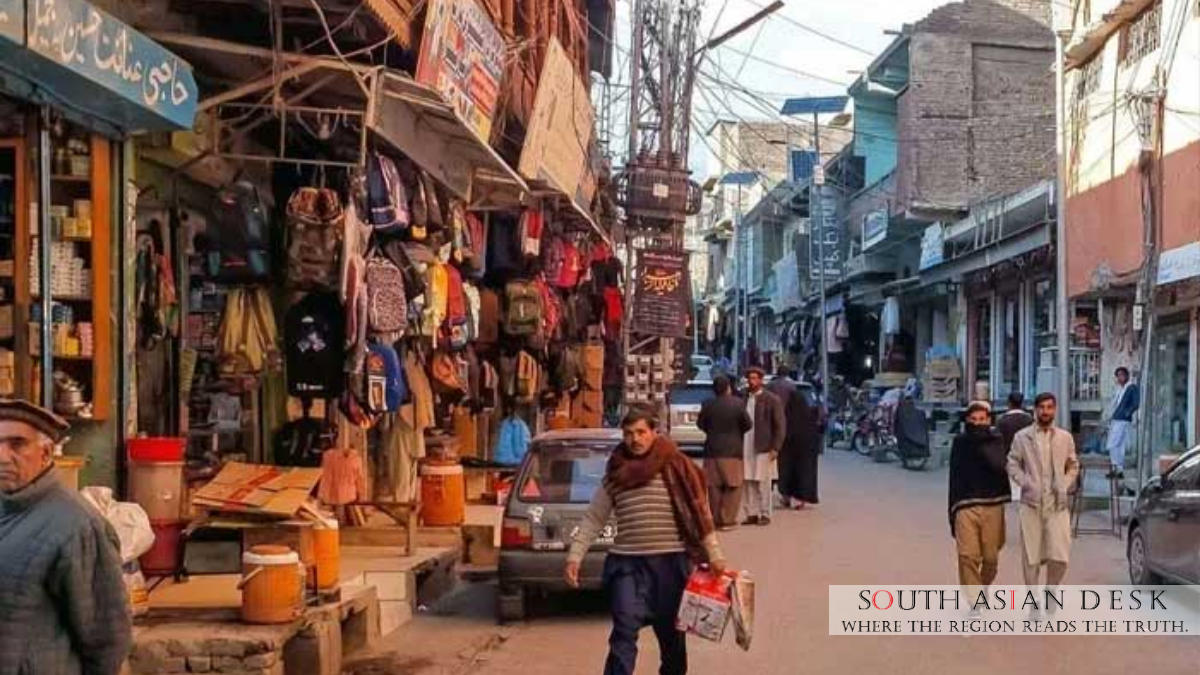
However, the latest decision does not fully restore unrestricted business hours. Instead, the government has retained closing times for markets, shopping centres, restaurants and related businesses, meaning commercial activity will continue to operate under the revised schedule.
The move appears to reflect a partial rollback: broader austerity instructions have been withdrawn, while market-hour controls remain as an energy conservation tool.
Market Timings in Pakistan to Remain Applicable
Under the revised timing framework, shops, markets, shopping malls, bazaars and departmental stores are required to close by 9pm throughout the week, including weekends.
Grocery stores, general stores, kiryana stores, marriage halls and marquees are allowed to remain open until 10pm. Restaurants, cafes, cinemas and other food outlets may operate until 11pm.
Takeaway and home delivery services for food businesses are exempt from the 11pm restriction.
Essential services, including pharmacies, hospitals, clinics, medical laboratories and medical stores, are also exempt from the timing limits. Bakeries, tandoors, milk and dairy shops, fuel stations, CNG stations, electric vehicle charging stations, gyms, sports facilities, IT companies and call centres have also been excluded from the restrictions.
Businesses Still Bound by Closing Hours
The decision may bring some relief to government departments and sectors affected by wider austerity rules, but traders and retailers will still have to follow the retained closing schedule.
Market timing restrictions have remained a sensitive issue for business groups, particularly in major cities where evening shopping hours are commercially important. Retailers have previously argued that early closures reduce sales, especially during summer months when customers often shop later in the day.
The government, however, has maintained that adjusted timings are necessary to manage electricity and fuel demand while reducing pressure on imported energy.
Fuel Conservation Measures Were Linked to Global Crisis
The austerity drive began in March as Pakistan responded to rising global energy uncertainty. The closure and disruption of routes around the Strait of Hormuz had triggered concern over oil and gas supplies, prompting the government to introduce conservation measures.
Officials had also reviewed exemptions for different sectors and adjusted timings over time. Earlier this month, grocery and kiryana stores were allowed to remain open until 10pm, while market closing hours were revised to 9pm.
The latest decision now ends the wider austerity regime but keeps the commercial timing framework intact.
Clarity Needed on Enforcement
The retained timings are expected to be enforced by provincial and district administrations, as earlier notifications were implemented through local authorities.
However, businesses may seek further clarity on whether the retained timings apply uniformly across all provinces and cities or whether provincial governments will issue fresh implementation orders.
For now, the practical position remains that Pakistan austerity measures have largely been withdrawn, but commercial closing hours will continue under the June notifications.
Published in SouthAsianDesk, June 21, 2026
Follow SouthAsianDesk on X, Instagram and Facebook for insights on business and current affairs from across South Asia.