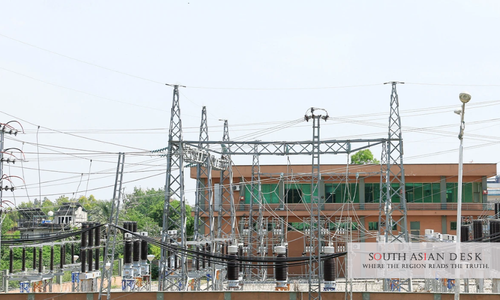
The Pakistan competitive power auction is due to begin this month, marking the country’s first attempt to sell electricity through a market based bidding process rather than through the state controlled single buyer arrangement that has governed the sector for decades. Energy officials confirmed on Friday that the Independent System and Market Operator (ISMO) will invite bids from power suppliers for an initial 400 megawatts (MW) of electricity, with industry stakeholders urging the government to bring down high power tariffs so that Pakistani exporters can remain competitive abroad.
The move forms part of Pakistan’s transition to the Competitive Trading Bilateral Contract Market, known as CTBCM, a framework that allows industrial consumers to purchase power directly from suppliers at negotiated rates instead of relying solely on the state as the sole buyer and distributor of electricity.
How the Pakistan Competitive Power Auction Will Work
According to officials at Pakistan’s energy ministry, the government will publish a Request for Proposals (RFP) within September, opening the process to competitive suppliers and captive generators that wish to wheel power across the national grid for their own use. Zeeshan Khan, director of corporate affairs and strategic communication at ISMO, said the organisation would launch the RFP process within the month and complete the auction according to timelines set by Pakistan’s electricity regulator.
Khan added that the National Electric Power Regulatory Authority (NEPRA) has already approved the auction process and determined the applicable grid charges. He did not confirm an exact auction date, though a senior energy official, speaking on condition of anonymity, said the auction was expected to take place in the fourth quarter of 2026. Bidders are expected to be given two months to submit proposals once the RFP is published.
The government has set a market demand cap of 800 MW for the auction programme as a whole. The first tranche will offer 400 MW, with subsequent auctions expected to release 100 MW each. Entities wishing to participate, including both competitive suppliers and captive generators, must secure formal rights to wheel electricity through the grid by taking part in the bidding process.
Industrial Power Tariffs Remain the Central Concern
Officials say the underlying purpose of the auction is to reduce electricity costs for industrial consumers. Khan said bidders would be required to offer rates lower than those currently regulated, since no consumer would have reason to switch suppliers otherwise. He declined to estimate the scale of any tariff reduction, saying the outcome would depend on the generation portfolios proposed by bidders, though he maintained that resulting rates would be lower than current tariffs.
Pakistan’s business community has been vocal about the need for lower industrial power tariffs. Karachi Chamber of Commerce and Industry President Muhammad Rehan Hanif said local industries were paying as much as 12.5 cents per kilowatt hour, a rate he described as uncompetitive against regional rivals. He argued that tariffs would need to fall closer to nine cents per kilowatt hour for Pakistani exporters to compete internationally.
All Pakistan Textile Mills Association Chairman Kamran Arshad raised similar concerns, noting that textile producers in competing countries pay considerably less for power. He said legacy costs embedded in Pakistan’s tariff structure should be absorbed by the government rather than passed on to consumers entering the new competitive market, adding that the CTBCM may offer some relief but is unlikely on its own to close the competitiveness gap with rival exporting nations.
Renewable Energy Bidders Face a Storage Requirement
ISMO has confirmed that all types of power producers will be permitted to take part in the auction. However, wind and solar bidders will be required to install co located battery energy storage systems alongside their projects, a condition intended to improve the flexibility and reliability of renewable power supplied through the competitive market.
Khan said ISMO currently holds no verified figures on how many generators or industrial consumers have formally committed to the first 400 MW round. Successful bidders will receive letters of award and will be required to begin transactions within a maximum of three years from the date of the auction.
A Long Term Shift Away from the Single Buyer Model
Analysts view the auction as the first tangible step in a broader restructuring of Pakistan’s power sector. Muhammad Saad Ali, head of research at Lucky Investments Limited, described the competitive market as a long term reform in which buyers and sellers will negotiate prices directly, gradually reducing the government’s role in the sector to what he called a bare minimum level of involvement over time.
For now, the success of the CTBCM will hinge on whether the rates offered in this first competitive round are low enough to draw industrial consumers away from the regulated system, and whether the reform can meaningfully narrow the tariff gap that manufacturers say continues to erode Pakistan’s export competitiveness.
Published in SouthAsianDesk, September 12th, 2026
Follow SouthAsianDesk on X, Instagram and Facebook for insights on business and current affairs from across South Asia.