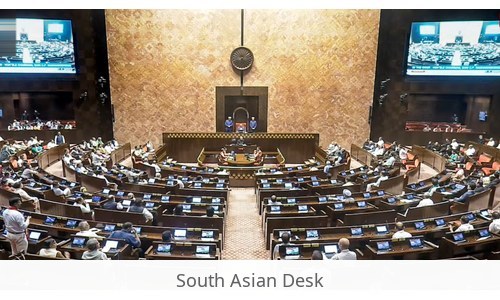
The Parliament Monsoon Session 2026 has entered its fifth day with opposition MPs protesting in Parliament over the NEET paper leak, demanding the resignation of Education Minister Dharmendra Pradhan. The government opposition deadlock has stalled proceedings in both Houses of Parliament during the session, which is currently underway.
Parliament Monsoon Session 2026: Opposition Protests
Opposition MPs are protesting against the NEET paper leak, citing concerns over accountability and governance. They have demanded the resignation of Education Minister Dharmendra Pradhan, arguing that the incident undermines the integrity of the national entrance examination system. The Indian Parliament protests have disrupted legislative schedules, with opposition leaders emphasizing the need for immediate action on the issue.
The NEET (National Eligibility cum Entrance Test) is a critical gateway for students aspiring to pursue undergraduate medical and dental courses in India. Its credibility is central to the country’s higher education framework, and any perceived compromise in its security risks eroding public trust in the system. Opposition parties have historically leveraged high-profile controversies like this to highlight governance failures, particularly when they intersect with institutional accountability. This incident has amplified existing tensions between the ruling party and opposition factions, which have been simmering over broader educational reforms India, including proposed changes to the NEET syllabus and the inclusion of private medical colleges in the entrance process.
Government’s Position
The government has stated it is prepared for debate but insists that discussions can only proceed after addressing the opposition’s demands. Officials have reiterated that the administration is committed to resolving the matter through due process while ensuring that legislative work continues. However, the opposition remains unmoved, insisting that the minister’s resignation is a prerequisite for any further dialogue.
The government’s stance reflects a broader strategy to manage crises through procedural adherence, a tactic often employed to avoid direct confrontation. However, this approach risks further entrenching the government opposition deadlock, as the opposition has shown no willingness to compromise on the minister’s resignation. The Education Ministry has not yet released an official statement detailing the steps being taken to investigate the leak, though sources indicate that the Central Bureau of Investigation (CBI) has been tasked with probing the incident. This procedural delay has fueled accusations of opacity, with critics arguing that the government is prioritizing political stability over transparency.
Implications for Legislative Process
The deadlock risks delaying critical legislative decisions, including budgetary allocations and policy reforms. Analysts note that the standoff highlights broader tensions in Indian politics regarding educational reforms and institutional accountability. With the session entering its fifth day, the situation remains unresolved, raising questions about the government’s capacity to manage both governance and parliamentary proceedings simultaneously.
The Parliament Monsoon Session 2026, traditionally a period for addressing urgent legislative priorities, has been rendered ineffective by the impasse. Key bills, including those related to healthcare infrastructure and vocational training, are at risk of being deferred. This delay could have cascading effects on the implementation of the National Education Policy 2020, which aims to overhaul India’s education system. The NEET controversy has also reignited debates about the role of technology in exam administration, with calls for stricter cybersecurity measures and greater oversight of private entities involved in the process.
The political ramifications extend beyond the immediate legislative gridlock. The incident has exposed vulnerabilities in the coordination between the Education Ministry and other regulatory bodies, raising concerns about the efficacy of inter-ministerial communication. Additionally, the prolonged standoff may embolden opposition parties to escalate their demands, potentially leading to further disruptions in parliamentary sessions. This scenario underscores the challenges of balancing political accountability with the need for functional governance in a democracy.
Follow SouthAsianDesk on X, Instagram and Facebook for insights on business and current affairs from across South Asia.
Sources
- Parliament Monsoon Session 2026 Day 5 Live Updates: Parliament set for fresh showdown between opposition and ruling party today – indianexpress.com
- Parliament Session 2026 Highlights: Opposition MPs Protest At Parliament Over NEET Leak, Demand Dharmendra Pradhan’s Resignation – ndtv.com
Image: images.indianexpress.com