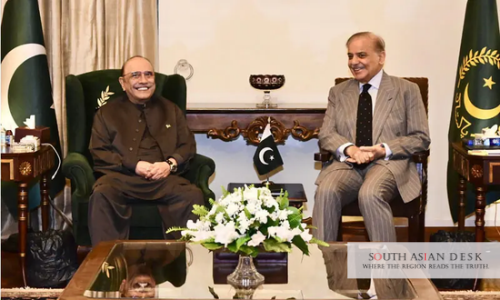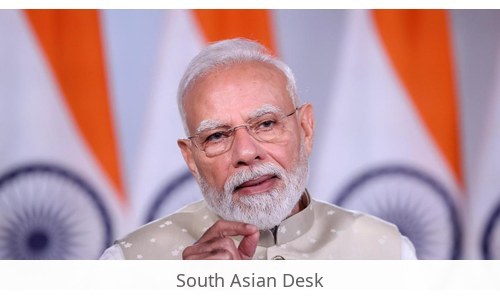
PM Modi visit Uzbekistan Kyrgyzstan marks a pivotal moment in India’s diplomatic calendar as Prime Minister Narendra Modi embarks on a four-day visit to Uzbekistan and Kyrgyzstan, starting August 29, 2026. This engagement with Central Asian nations underscores India’s strategic focus on strengthening ties with key regional players, including SCO meeting leaders like Russian President Vladimir Putin. The visit aligns with India’s foreign policy objectives, emphasizing regional security dynamics and economic collaboration in a region critical to global energy corridors and trade routes.
PM Modi visit Uzbekistan Kyrgyzstan: Implications for India’s Foreign Policy
The PM Modi visit Uzbekistan Kyrgyzstan highlights India’s growing influence in Central Asia, a region pivotal to regional security dynamics and energy corridors. Uzbekistan and Kyrgyzstan, both SCO members, hold strategic importance for India’s foreign policy objectives. As a key player in the SCO, India seeks to balance its relationships with both Russia and China, two dominant powers in the region. The SCO, established in 2001, includes eight member states and focuses on counterterrorism, economic cooperation, and regional stability. By engaging with leaders like Putin, Modi aims to reinforce India’s role in multilateral frameworks while addressing shared challenges such as terrorism, extremism, and cross-border crime.
Central Asia’s geopolitical significance is further amplified by its position as a transit hub for energy resources, including oil, natural gas, and minerals. India’s strategic partnerships in the region are designed to secure alternative energy routes and reduce dependency on traditional suppliers. Uzbekistan, a major energy producer, and Kyrgyzstan, rich in natural resources, offer opportunities for India to diversify its energy imports and strengthen its economic ties with Central Asian states. These collaborations could also enhance India’s access to regional markets, fostering trade in sectors such as agriculture, textiles, and technology.
Economic Collaborations on the Horizon
Economic partnerships are likely to feature prominently in Modi’s engagements. Uzbekistan, a major energy producer, and Kyrgyzstan, rich in natural resources, offer opportunities for trade and investment. Potential areas of collaboration include infrastructure development, energy trade, and technology transfer. These partnerships could enhance India’s access to Central Asian markets and diversify its energy imports, reducing reliance on traditional suppliers.
The visit may also focus on expanding India’s investments in infrastructure projects, such as roads, railways, and digital connectivity, which are crucial for regional integration. India’s “Neighbourhood First” policy emphasizes strengthening economic ties with its immediate neighbors and broader regional partners, including Central Asia. By leveraging its growing influence in the SCO, India aims to position itself as a key player in shaping the region’s economic and security landscape.
India’s engagement with Central Asia also aligns with its broader efforts to counterbalance China’s expanding influence in the region through initiatives like the Belt and Road Initiative (BRI). While India has historically been cautious about China’s growing presence in Central Asia, its active participation in the SCO provides a platform to advocate for a multipolar regional order. This approach allows India to promote its own vision of connectivity and development while ensuring that its strategic interests are not overshadowed by Chinese investments.
The result also presents an opportunity to deepen Uzbekistan India relations and Kyrgyzstan India relations. These bilateral ties are crucial for fostering trust and cooperation on issues ranging from trade to security. By addressing regional security dynamics through dialogue with SCO meeting leaders, India can reinforce its role as a responsible global power committed to peace and stability in Central Asia.
Follow SouthAsianDesk on X, Instagram and Facebook for insights on business and current affairs from across South Asia.
Sources
- PM Modi to undertake 4-day visit to Uzbekistan, Kyrgyzstan – thehindu.com
- Prime Minister Modi to begin 4-day visit to Uzbekistan, Kyrgyzstan on Aug 29 – indianexpress.com
Image: th-i.thgim.com