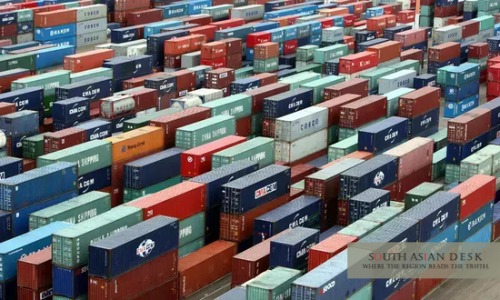
Private wheat imports should be allowed alongside public procurement, a leader of the Federation of Pakistan Chambers of Commerce and Industry (FPCCI) has urged the government, warning that the shortage is too severe for the Trading Corporation of Pakistan (TCP) to manage alone. Adeel Siddiqui, a member of the FPCCI Executive Committee from Hyderabad, made the call in a statement on Saturday, according to Dawn.
Chakki Owners Strike in Hyderabad
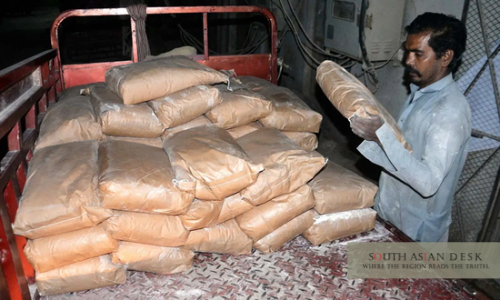
Siddiqui said chakki owners in Hyderabad had gone on strike because government godowns had not supplied enough wheat to meet their daily grinding needs. The owners are demanding a larger wheat quota so that they can supply flour to consumers. He added that households in both rural and urban areas mainly rely on chakki flour, while flour mills primarily serve the commercial sector.
On 26 November, chakki flour was selling at Rs186 per kilogram, or Rs1,850 per 10-kilogram bag, when wheat traded at Rs16,600 per 100-kilogram bag, according to the statement. Since then, the government has begun releasing wheat from its godowns at Rs11,250 per 100 kilograms, or Rs112.50 per kilogram, for roller flour mills in Sindh, after fixing the retail price of mill flour at Rs145 per kilogram.
The Case for Private Wheat Imports
Siddiqui welcomed the government’s decision to increase wheat imports but said it was insufficient. He argued that private wheat imports would help because the private sector has the capacity, experience and international connections to bring in wheat in bulk and supply flour mills and consumers without delay. In his view, a balanced policy that allows both the TCP and private importers to take part would improve availability and ease price pressures.
He called for a transparent import policy, timely permits for private importers, streamlined approvals, adequate port and logistics capacity and close monitoring of stocks to prevent hoarding and profiteering. He also said the government should make sure that imported wheat reaches markets quickly and that flour mills are not forced to pay excessive premiums because of limited supply channels.
How Large Is the Wheat Shortage?
Siddiqui warned that Pakistan may need to import 2 to 3 million tonnes of wheat next year, and said that the current shortage was not a one-off problem. He claimed that weather conditions had reduced the area sown with wheat in Sindh by around 20 percent compared with last year, which he said could tighten domestic supplies and make timely imports unavoidable. That figure is his claim, and the report did not cite official data on the sown area.
Other estimates from earlier this month vary. Dawn reported on 17 November that stakeholders estimated a wheat shortage of 3 to 4 million tonnes, even though wheat production rose 4.3 percent to 29.61 million tonnes in fiscal year 2025-26 from 28.40 million tonnes the year before, according to the Economic Survey. Cereal Association of Pakistan Chairman Muzammil Chappal said annual demand ranges between 31 and 32 million tonnes, and that he had been urging the government since May to allow the private sector to import at least 2 million tonnes. A trader quoted in the same report said the country needs at least 3 million tonnes of wheat before the new crop enters markets between March and May.
Prices Since the First Imported Cargo
The first ship carrying 51,000 tonnes of imported wheat arrived on 28 October, and more than 100,000 tonnes had arrived by mid-November, according to Dawn’s earlier report. Wheat prices initially fell from Rs140 to Rs130 per kilogram after the first arrival, but reverted to Rs140 within weeks, and millers raised flour prices again. A miller quoted in the report said imported wheat would prove highly insufficient, since mills in Karachi alone require around 80,000 bags of 100 kilograms every day.
The latest figures imply that wheat has risen further. Wheat at Rs16,600 per 100 kilograms on 26 November works out to Rs166 per kilogram, against Rs140 in mid-November, which is an increase of roughly 19 percent. This is a calculation based on the two reports, and the figures come from different markets, so it should be read as an indication and not as a measured national price.
What the Report Does Not Include
The Dawn report carried only Siddiqui’s statement. It did not include a response from the government or the TCP, or explain why imports are currently routed through the TCP alone. It also did not say how many tonnes the government has approved for import or when further shipments are expected.
Siddiqui urged the government to consult the FPCCI and other trade bodies before finalising import volumes and timing. He also called for stronger support for farmers through quality seed, timely irrigation, fair procurement and improved extension services, to prevent the country from becoming permanently dependent on imports.
What Comes Next
The main questions are whether the government widens import permission to the private sector, how quickly additional cargoes arrive and whether the retail price of Rs145 per kilogram for mill flour holds in the market. Chakki owners’ demand for a higher quota will also be watched, since chakkis supply many households.
The wheat shortage is likely to remain a policy issue until the new crop arrives in the spring. Whether the debate over private wheat imports leads to a change of policy will depend on the government’s assessment of supply, prices and risks, which the report does not describe.
Follow SouthAsianDesk on X, Instagram and Facebook for insights on business and current affairs from across South Asia.
Read more: https://southasiandesk.com/pakistan-brazil-agricultural-cooperation/