The PTI long march towards Islamabad, originally scheduled for September 27, has been postponed to October 4, and the party has moved to dispel suggestions that the delay resulted from private negotiations with the authorities. In a statement reported on September 28, Pakistan Tehreek-e-Insaf (PTI) Secretary General Salman Akram Raja rejected claims of backchannel contacts while reiterating the party’s willingness to hold talks with the government.
Why the PTI Long March Was Postponed
According to Raja, the party deferred the PTI long march to give the government additional time to reconsider its decisions. He noted, however, that the government had so far given no indication that it was prepared to negotiate.
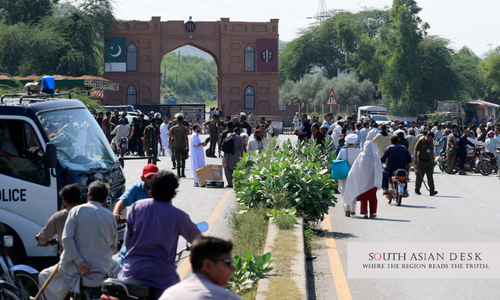
The party is preparing for a major protest and Islamabad march, with its central demands being the release of Imran Khan, its jailed founder, and what it describes as the restoration of constitutional supremacy. PTI Khyber Pakhtunkhwa (KP) Information Secretary Shaukat Yousafzai characterised the postponement as a political strategy. He said the federal government had deployed thousands of police personnel and containers, which prompted the party to revise its approach, and that PTI remained committed to a peaceful struggle.
Denial of Backchannel Contacts and Conflicting Reports
Raja dismissed the suggestion that backchannel contacts had influenced the timing of the march. He added, though, that if any contact did take place, it was not necessary for it to become public immediately. The remark did not confirm that any such contact had occurred.
Sources told The News a different story. They said more than half a dozen backchannel meetings between PTI and the authorities over the preceding four to five weeks had failed to break the deadlock, although the contacts explored a possible political way out. According to these sources, the central question was whether PTI would call off, rather than merely postpone, its planned mobilisation. They said the government and the security establishment had conveyed that political space could be created for the party, but that politics involving agitation, violence, road blockades and marches would not be acceptable. These accounts are attributed to unnamed sources and have not been confirmed by either side.
Raja Calls for Dialogue Amid Terrorism Concerns
Raja said the latest wave of terrorism required all sides to sit together and engage in dialogue. His emphasis on talks with the government mirrors the position taken by other senior figures in the party, and it comes as the deadlock over the Islamabad march remains unresolved.
Government Stance and Security Measures
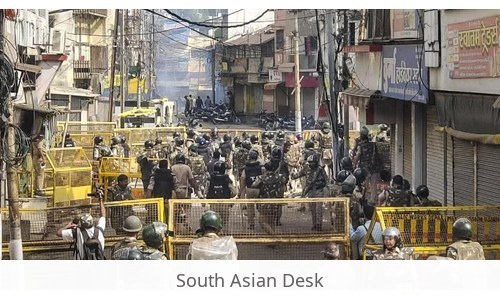
The government has publicly taken a firm position against road blockades and disruption of routine life, and extraordinary security measures were put in place ahead of the original date. Reports on September 25 said major highways and motorways leading to Islamabad had been closed or restricted, and that the federal government had authorised the deployment of Rangers across the federal capital and several districts of Punjab.
On the same day, KP Governor Faisal Karim Kundi said consultations had been held on the possibility of governor’s rule in the province, adding that the Constitution provides for such a measure. He also claimed that PTI members were looking for a way out. Yousafzai, for his part, alleged that the federal government had violated a court decision by blocking roads with containers.
Provincial Leadership Extends an Offer of Talks
KP Chief Minister Sohail Afridi offered talks with the federal government on September 26, saying issues could be resolved through mutual understanding. He questioned why negotiations should take place after the PTI long march rather than before it, and said that if the government wished to resolve the matter within seven days, it should do so through mutual understanding. Afridi said the party’s political committee had decided to give the government some time and that the delay formed part of the party’s strategy.
Yousafzai similarly said the government talked about negotiations on television channels, and that PTI would negotiate if the government engaged in practical terms. He reiterated that the party’s demand included medical treatment for Imran Khan in accordance with court orders.
What Lies Ahead for the Islamabad March
The positions of both sides remain far apart. PTI seeks talks with the government and the release of Imran Khan, while the authorities, according to sources, are prepared to allow political space only if street agitation is abandoned. With October 4 approaching, whether any formal dialogue materialises before the Islamabad march remains to be seen.
Follow SouthAsianDesk on X, Instagram and Facebook for insights on business and current affairs from across South Asia.