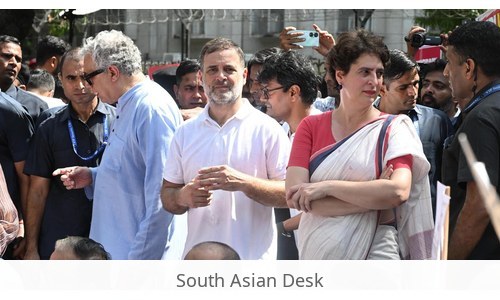
The Rahul Gandhi treason allegations have sparked significant political discourse as the opposition INDIA bloc organized a protest in New Delhi on October 6, 2026, demanding action against Prime Minister Narendra Modi, Home Minister Amit Shah, RSS Chief Mohan Bhagwat, and Chief Election Commissioner Gyanesh Kumar for alleged treason. Protesters called for the resignation of Gyanesh Kumar, citing concerns over electoral integrity and the alleged misuse of power by senior officials.
Rahul Gandhi Treason Allegations: Political Implications of the Accusations
The accusations against senior government officials and the Election Commission head could reshape India’s political landscape. Analysts note that such claims may influence public perception of the ruling party’s governance, though the government has not yet responded formally. The PM Modi action demanded by the opposition highlights the deepening rift between the ruling party and the opposition, with Rahul Gandhi’s allegations framing the debate around electoral integrity and national security.
Historical Context of Protests Against Electoral Officials
This protest follows a pattern of demonstrations targeting electoral authorities in recent years. In 2022, similar protests occurred after allegations of bias in the delimitation of parliamentary constituencies. In 2024, opposition leaders staged a sit-in outside the Election Commission’s headquarters to protest delayed poll preparations. These incidents highlight the recurring theme of electoral oversight as a flashpoint in Indian politics. While past protests have led to policy reviews, their direct impact on electoral reforms has been limited. The current demonstration, however, comes amid heightened scrutiny of the Election Commission’s role in upcoming state elections, with PM Modi’s action demanded by the opposition.
The Amit Shah Protest and Mohan Bhagwat accusations
The Amit Shah protest and Mohan Bhagwat accusations have further intensified the political climate, as the opposition seeks to link these figures to the alleged misconduct. The allegations against Amit Shah, who is the Home Minister, and Mohan Bhagwat, the RSS Chief, are seen as attempts to broaden the scope of the protest beyond the Election Commission. This move has drawn criticism from some quarters, with analysts suggesting that the opposition may be using the issue to rally support ahead of upcoming elections. However, the Election Commission resignation demand has become a central rallying point for the INDIA bloc, with the New Delhi protest serving as the symbolic backdrop for these claims.
Public Reaction and Political Fallout
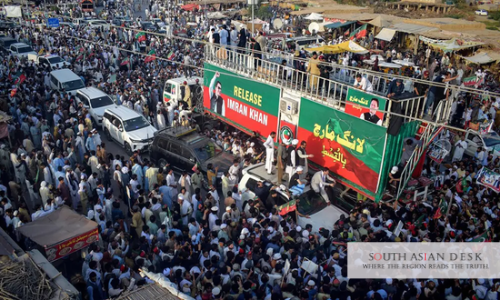
The protest in New Delhi drew thousands of participants, including members of the opposition INDIA bloc, activists, and supporters of Rahul Gandhi. The event was marked by a strong show of solidarity with the Election Commission, with protesters chanting slogans demanding transparency and accountability. However, the government has remained silent on the allegations, with no official response from the ruling party. This silence has only fueled speculation about the potential political fallout, with some analysts suggesting that the allegations could become a major campaign issue in the upcoming state elections.
Legal and Constitutional Considerations
The allegations of treason against senior officials raise complex legal and constitutional questions. Treason is a serious offense under Indian law, and any such charges would require substantial evidence and a formal legal process. Legal experts have noted that the opposition’s approach to raising these allegations may be more symbolic than practical, given the high threshold for proving treason. Nevertheless, the protest has reignited debates about the role of the Election Commission in ensuring free and fair elections, with the Election Commission resignation demand gaining traction among opposition supporters.
Broader Implications for Indian Democracy
The Rahul Gandhi treason allegations and the subsequent protest have broader implications for Indian democracy. The opposition’s focus on electoral integrity and the alleged misuse of power by senior officials underscores the growing concerns about the independence of the Election Commission and the potential for political interference in electoral processes. While the government has not commented on the allegations, the protest has highlighted the need for greater transparency and accountability in the functioning of electoral institutions.
Follow SouthAsianDesk on X, Instagram and Facebook for insights on business and current affairs from across South Asia.
Sources
- Action will be taken against PM Modi, Amit Shah, Mohan Bhagwat, CEC for ‘treason’, says Rahul – thehindu.com
- India opposition leaders briefly arrested in protest against election chief – aljazeera.com
- “Gyanesh, It’s Done, Bro”: Rahul Gandhi As He Leads March To Election Commission’s Office – ndtv.com
Image: th-i.thgim.com