Rakhine airstrikes near the Bangladesh border have raised fears of a fresh Rohingya influx, as renewed attacks in Myanmar’s Maungdaw and Buthidaung townships deepen insecurity in areas already scarred by years of conflict, displacement and persecution.
Border Guard Bangladesh has heightened vigilance along the frontier after explosions from inside Myanmar were heard in Teknaf. Officials and local residents said repeated blasts triggered panic in communities close to the Naf River, the narrow waterway that separates Bangladesh from Myanmar’s Rakhine State.
The latest escalation comes amid fighting involving Myanmar’s military, the Arakan Army and Rohingya armed groups. For Rohingya civilians still living in northern Rakhine, the situation is increasingly precarious. They face airstrikes, pressure from armed actors, restrictions on movement and the constant fear of being trapped between rival forces.
Bangladesh, already hosting nearly one million Rohingya refugees in overcrowded camps in Cox’s Bazar, is now watching the border closely. Officials say they want to prevent illegal crossings, but humanitarian agencies have repeatedly warned that violence in Rakhine continues to push desperate people towards Bangladesh.
Rakhine Airstrikes Put BGB on Alert
The latest Rakhine airstrikes were reported in Maungdaw and Buthidaung, two townships in northern Rakhine with large Rohingya populations. According to accounts from refugees and residents cited in Bangladeshi media, the attacks followed heightened tension after Arakan Army fighters were reportedly killed in an ambush blamed on the Arakan Rohingya Salvation Army, commonly known as ARSA.
Following the alleged ambush, Rohingya civilians in parts of Rakhine reportedly came under greater pressure from the Arakan Army. Some local accounts said the group accused Rohingya residents of supporting ARSA or Myanmar’s military, claims that have added to fear among civilians already living under extreme insecurity.
Reports from Rakhine said Myanmar fighter jets carried out strikes in Buthidaung and Maungdaw, including in or near areas where Rohingya civilians live. One report said a Rohingya woman and two children were injured in Buthidaung. Residents also said that while Myanmar’s military appeared to be targeting Arakan Army positions, Rohingya-populated areas had also been hit.
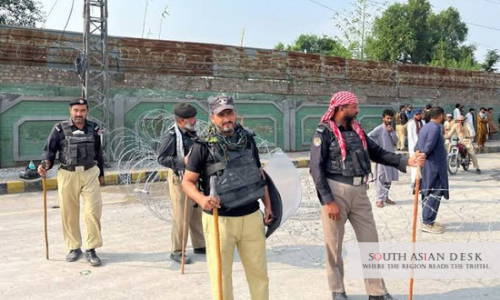
The situation has caused serious concern in Bangladesh’s border belt. BGB officials confirmed that explosions were heard from Teknaf and said the force had been placed on alert to prevent unauthorised crossings. One BGB official said reports varied, but different sources had mentioned between 18 and 27 bomb strikes.
The fear in Bangladesh is not abstract. Previous waves of violence in Rakhine have pushed large numbers of Rohingya across the Naf River into Bangladesh. Even when the border is officially closed, people fleeing fighting often look for informal routes to safety.
Teknaf Border Panic After Explosions From Myanmar
Residents along the Teknaf border were shaken after powerful explosions were heard from the Myanmar side. Local reports said houses trembled from Jadimura to Shah Porir Dwip after blasts late on Wednesday night.
Teknaf officials said they were monitoring the situation and urged border residents to remain cautious without panicking. The sounds of explosions and gunfire from across the border have become a recurring source of fear for communities living near Myanmar.
For Bangladesh, the immediate concern is border control. For civilians in Rakhine, the concern is survival. Rohingya residents quoted from Maungdaw said many people were still trying to find temporary shelter inside Rakhine, but warned that if the airstrikes and fighting intensified, more people could try to cross into Bangladesh.
This creates a difficult policy dilemma. Bangladesh says it cannot absorb another large influx. Its existing Rohingya camps are overcrowded, underfunded and heavily dependent on international aid. At the same time, Rohingya civilians fleeing airstrikes and armed pressure may have few safe options inside Myanmar.
Why Maungdaw and Buthidaung Matter
Maungdaw and Buthidaung are central to the Rohingya crisis because they are among the areas in northern Rakhine where many Rohingya historically lived. They are also close to Bangladesh, making them critical locations during any escalation in violence.
The current conflict in Rakhine is part of Myanmar’s wider post-coup civil war. Since the 2021 military coup, Myanmar has faced armed resistance across several regions. In Rakhine, the Arakan Army has expanded its control and fought intense battles against the military junta.
For Rohingya civilians, the conflict has created a new layer of danger. They have long faced persecution, denial of citizenship, movement restrictions and displacement. Now, many are caught between Myanmar’s military, the Arakan Army and Rohingya armed groups. Reports from human rights and policy sources have warned that Rohingya communities face risks from multiple armed actors, including forced recruitment, harassment, arbitrary restrictions and attacks on civilians.
This is why the latest Maungdaw airstrikes and Buthidaung airstrikes are so alarming. They are not isolated military incidents. They are taking place in a region where civilian protection is already extremely weak and where displacement can quickly spill across the Bangladesh Myanmar border.
Bangladesh Faces Renewed Rohingya Influx Risk
The possibility of a new Rohingya influx comes at a time when Bangladesh is already under intense pressure. Cox’s Bazar hosts one of the world’s largest refugee settlements, with Rohingya families living in dense camps where access to education, healthcare, livelihoods and long-term security remains limited.
UNHCR said in 2025 that Bangladesh had received around 150,000 Rohingya refugees over the previous 18 months, the largest movement from Myanmar since the 2017 mass exodus. Those newer arrivals joined an existing refugee population of nearly one million in Cox’s Bazar.
The refugee response is also facing a severe funding squeeze. UNHCR and humanitarian partners appealed for $710.5 million in 2026 to support Rohingya refugees and host communities in Bangladesh, but aid agencies have warned that cuts threaten essential services.
This makes any new displacement deeply concerning. A sudden rise in arrivals would place more strain on shelter, food, water, healthcare and protection systems. It could also increase security concerns in the camps, where armed groups, trafficking networks and criminal activity have become persistent problems.
Arakan Army, ARSA and Civilian Pressure
The latest fears are also tied to the complicated armed landscape in Rakhine. The Arakan Army is one of Myanmar’s most powerful ethnic armed organisations and has gained significant ground in Rakhine since fighting resumed in late 2023. ARSA, a Rohingya armed group, has also been active in the border region, though its role remains controversial and widely contested.
Reports that ARSA-linked fighters ambushed Arakan Army vehicles have heightened tensions around Rohingya civilians. Rohingya refugees in Bangladesh told local media that the Arakan Army had increased pressure on local Rohingya after the attack.
These claims are difficult to independently verify because access to northern Rakhine is highly restricted and communications are often disrupted. However, the broader pattern is clear. Civilians are at serious risk when armed groups accuse entire communities of supporting rival forces.
That danger is particularly acute for the Rohingya, who remain stateless and politically vulnerable. Without citizenship, freedom of movement or reliable protection, they are among the least protected communities in Myanmar’s conflict zones.
Humanitarian Concerns Grow Along the Naf River
The Naf River has long been a route of desperate flight. During previous waves of violence, Rohingya families crossed the river by boat or through informal routes, often paying smugglers or taking serious risks to reach Bangladesh.
If the current Rakhine airstrikes intensify, the same pattern could return. Rohingya civilians may try to move towards the border, even if BGB maintains strict surveillance. Some may attempt dangerous crossings at night. Others could be trapped in Rakhine if armed groups block movement or if the border remains sealed.
Bangladesh’s security concerns are real, but so are the humanitarian risks. Any serious escalation in Maungdaw or Buthidaung would require careful monitoring by Bangladesh, UN agencies and international partners.
The immediate need is to prevent civilian harm, maintain border stability and ensure that people fleeing violence are not pushed into even greater danger. That requires coordination, clear public information and renewed diplomatic pressure over the worsening situation in Rakhine.
Rakhine Airstrikes Deepen an Already Fragile Crisis
The latest Rakhine airstrikes show how quickly the Rohingya crisis can worsen. Years after the 2017 military crackdown forced hundreds of thousands of Rohingya into Bangladesh, the conditions for safe, voluntary and dignified return remain absent.
Instead, violence in Rakhine has evolved into a new phase. The Myanmar military continues to use air power, the Arakan Army has expanded its control, Rohingya armed groups remain active, and civilians are left exposed.
For Bangladesh, the renewed BGB alert is both a border security measure and a warning sign. If fighting continues near Maungdaw and Buthidaung, another Rohingya influx could become more likely.
For the Rohingya, the choice is becoming harsher. Many cannot return to normal life in Rakhine, cannot move freely inside Myanmar and may not be able to cross into Bangladesh. The result is a population trapped between airstrikes, armed pressure and closed borders.
The latest escalation should therefore be treated as more than a local border incident. It is a reminder that the Rohingya crisis remains unresolved, and that renewed violence in Rakhine can quickly become both a humanitarian emergency and a regional security challenge.
Published in SouthAsianDesk, July 3, 2026
Follow SouthAsianDesk on X, Instagram and Facebook for insights on business and current affairs from across South Asia.