

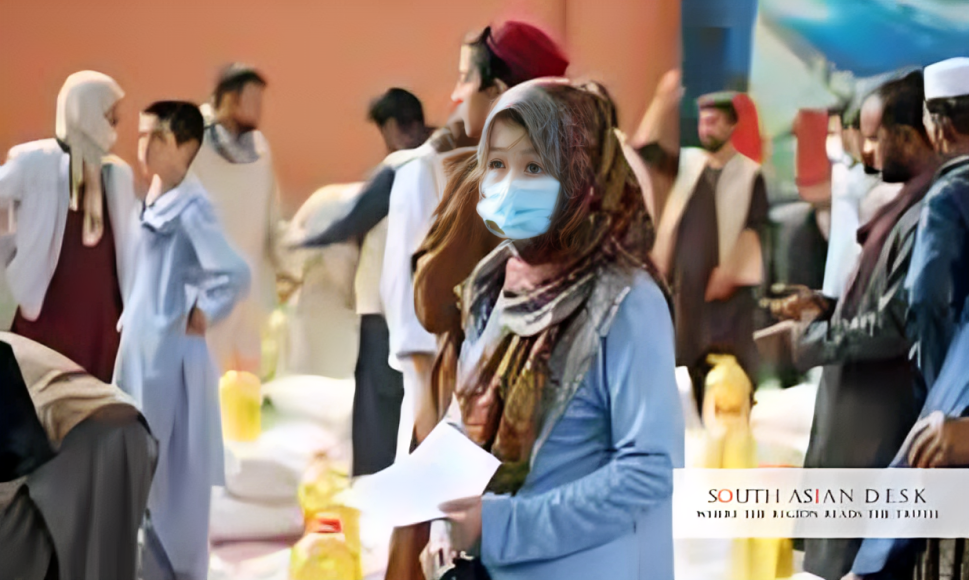
Saudi Arabia, through its King Salman Humanitarian Aid and Relief Centre (KSrelief), has delivered aid to 4,000 needy families in northern Afghanistan. The Saudi aid Afghanistan, completed in recent days, targets returnees from Pakistan and Iran, internally displaced persons, orphans, widows and disaster-affected individuals in Kunduz, Takhar and Badakhshan provinces. Officials from local partners confirmed the effort addresses acute winter needs and food insecurity.
The initiative underscores the broader humanitarian challenges in Afghanistan, where regional dynamics including refugee repatriations from neighbouring South Asian countries like Pakistan strain local resources. With over 17 million people facing severe food insecurity, as reported by the World Food Programme, such aid plays a key role in stabilising communities and preventing cross-border tensions.
Saudi Aid Northern Afghanistan: Key Distribution Details
In Kunduz province, 2,000 families received the assistance. Shah Zamin Hilal, deputy head of the Tohid Foundation, stated: “With financial support from King Salman Center and in cooperation with the Tohid Foundation, we provided aid to 2,000 families in Kunduz. The assistance was distributed to returnees, displaced families, orphans, widows, and other needy individuals.”
The aid includes essential supplies to combat harsh winter conditions. Recipients in Kunduz expressed gratitude but highlighted ongoing shortages. Abdul Rauf, an internally displaced person, said: “Everyone has problems, but this is the first time we’ve received food supplies. However, it’s not enough for our eight-member family.”
In Badakhshan, 1,000 registered families benefited. Qiyamuddin Qazizada, head of the Department for Refugees and Repatriation in Badakhshan, noted: “Those we have registered here are receiving support. Although many are in need, helping even these 1,000 families is a valuable step.”
Mohammad Muslim, a deportee from Iran, added: “A while ago I received 10,000 Afghanis in aid. I live in a rented house and pay 2,500 Afghanis in rent. We have no electricity.”
The partnership between KSrelief Afghanistan operations and local entities like Tohid Foundation ensures targeted delivery. This aligns with broader KSrelief efforts, which recently included distributing 15,000 food baskets across Afghanistan to support returnees and those impacted by natural disasters.
Aid to Afghan Returnees: Addressing Regional Challenges
Aid to Afghan returnees forms a core component of this Saudi aid Afghanistan programme. Thousands have returned from Pakistan and Iran in recent months, exacerbating vulnerabilities in northern provinces. The World Food Programme estimates nearly 4 million children at risk of malnutrition nationwide.
In Takhar province, the distribution reached additional families, though specific numbers require confirmation. Local authorities coordinated registrations to prioritise the most needy.
This Saudi aid northern Afghanistan initiative builds on previous efforts. In December 2025, KSrelief distributed 2,000 shelter bags in eastern Afghanistan, including tents and blankets. Earlier distributions in November 2025 provided food and shelter to earthquake victims in Balkh and Samangan provinces.
Saudi Arabia’s contributions extend beyond immediate relief. The kingdom has provided grants, such as USD 30 million in prior years to support humanitarian trusts. These efforts help mitigate the effects of natural disasters and forced returns, which affect South Asian stability by reducing potential refugee pressures on borders.
Experts note that sustained aid to Afghan returnees is essential. With winter intensifying, families face heightened risks of hunger and exposure. The Islamic Emirate has called for increased international support, and recipients echoed this sentiment.
One widow in Badakhshan shared: “This aid helps, but we need more for the cold months ahead.” Such feedback highlights the scale of need, with over 22 million Afghans requiring assistance in 2025, per the International Committee of the Red Cross.
Background: KSrelief Afghanistan’s Ongoing Role
KSrelief Afghanistan has been active since 2015, delivering projects in food security, shelter and health. In 2025 alone, the centre executed multiple distributions, including polio vaccination support in partnership with UNICEF and WHO.
The organisation’s focus on northern Afghanistan stems from high vulnerability there. Provinces like Kunduz and Badakhshan host large numbers of returnees and displaced due to conflicts and disasters. Saudi aid Afghanistan totals millions in USD annually, often channelled through verified local partners.
This latest distribution follows a pattern of targeted interventions. For instance, in May 2025, KSrelief provided shelter to flood-affected communities. These actions complement global efforts amid reduced international funding, which has deepened Afghanistan’s crisis.
What’s Next: Future Prospects for Saudi Aid Afghanistan
Looking ahead, KSrelief plans to expand programmes, potentially including more aid to Afghan returnees. Officials indicate ongoing assessments for additional distributions in northern regions. With food insecurity projected to persist, Saudi aid Afghanistan remains crucial for sustaining vulnerable populations.
Published in SouthAsianDesk, January 6th, 2026
Follow SouthAsianDesk on X, Instagram and Facebook for insights on business and current affairs from across South Asia.
