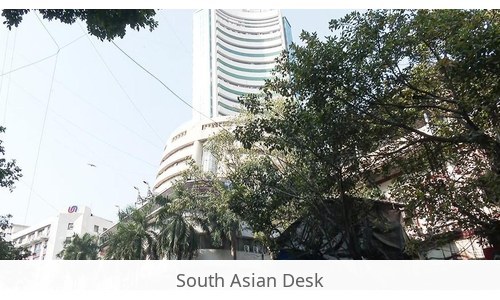
A Sensex three-year low has been recorded as India’s benchmark Sensex fell by 1,045 points on October 8, 2026, according to The Hindu. The decline comes amid rising crude oil prices and reactions to the Reserve Bank of India’s monetary policy, which have intensified investor concerns about inflationary pressures and economic stability. Analysts note that the market’s recovery from April to August 2026 has now reversed, signaling potential further volatility. This downturn reflects broader economic concerns in South Asia, where energy costs and monetary policy decisions are deeply interconnected.
Sensex three-year low: Impact of Rising Crude Prices
The sustained elevation of crude oil prices to over $100 per barrel has intensified market volatility, as reported by NDTV. Higher energy costs directly impact industrial production, transportation, and consumer spending, eroding corporate profits and dampening investor sentiment in India. Historical comparisons show similar market downturns occurred during periods of prolonged oil price spikes, though the current context includes additional pressures from monetary policy adjustments. The rising crude oil prices have also raised questions about the resilience of South Asian economies, particularly in sectors reliant on energy imports. For instance, industries such as manufacturing and logistics face heightened operational costs, which could further strain profit margins and delay recovery efforts. This situation is compounded by global geopolitical tensions, which have kept oil prices elevated despite efforts by OPEC+ to stabilize the market.
Reactions to RBI’s Monetary Policy
The Reserve Bank of India’s recent policy decisions, including interest rate adjustments and liquidity management measures, have drawn mixed reactions. While aimed at curbing inflation, these measures risk tightening credit conditions for businesses and consumers. Market analysts caution that the RBI’s approach may need recalibration to balance inflation control with growth preservation, particularly amid global economic uncertainties. The RBI monetary policy impact is a critical factor in assessing the broader South Asian market analysis, as regional investors closely monitor how policy shifts could affect liquidity and economic stability. For example, a sudden increase in interest rates could stifle business expansion and reduce consumer spending, exacerbating the current downturn. Conversely, a more accommodative stance might risk fueling inflation, creating a delicate balancing act for policymakers.
Broader Economic Concerns
The Sensex’s performance reflects broader economic anxieties across South Asia, where energy costs and monetary policy decisions are interconnected. Businesses operating in the region face dual challenges: rising input costs from oil prices and tighter financial conditions from central bank policies. Investors are closely monitoring global oil markets and regional policy responses for signs of stabilization or further decline. The economic concerns in South Asia are further compounded by geopolitical tensions and fluctuating global trade dynamics, which could prolong the current market uncertainty. For instance, trade disputes between major economies and supply chain disruptions have added layers of complexity to the region’s economic outlook. Additionally, the South Asian market analysis highlights the need for coordinated regional strategies to mitigate the impact of external shocks, such as oil price volatility and global recession risks.
Long-Term Implications and Market Outlook
The Sensex three-year low marks a pivotal moment for India’s financial markets, with long-term implications for both domestic and international investors. The current downturn underscores the vulnerability of emerging markets to global macroeconomic trends, particularly in energy and interest rates. Experts suggest that the market’s recovery earlier this year has now reversed, indicating potential further declines unless there is a significant policy intervention or a shift in global economic conditions. For example, a sustained drop in oil prices or a more dovish stance from the RBI could provide much-needed relief. However, without such developments, the investor sentiment in India may remain subdued, affecting capital inflows and economic growth.
Conclusion
The Sensex three-year low serves as a stark reminder of the interconnectedness of global markets and the challenges faced by emerging economies like India. As the rising crude oil prices continue to weigh on corporate earnings and the RBI monetary policy impact remains a focal point, the path to recovery will depend on a combination of domestic policy adjustments and global economic stability. Investors and policymakers alike must navigate these complexities with caution, as the economic concerns in South Asia are likely to persist in the near term.
Follow SouthAsianDesk on X, Instagram and Facebook for insights on business and current affairs from across South Asia.
Sources
- Sensex hits a three-year low amid rising crude prices, reaction to RBI policy – thehindu.com
- Stock Market Crash, Sensex Today: Investors Lose Rs 10 Lakh Crore As Sensex Tanks 1,000 Points – ndtv.com
Image: th-i.thgim.com