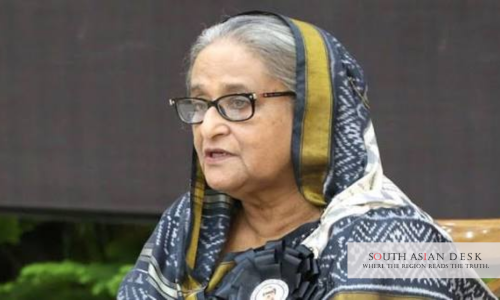
The Shapla Chattar case has taken a decisive turn after prosecutors formally submitted charges against ousted prime minister Sheikh Hasina and 40 others in connection with the deaths reported during the Hefazat-e-Islam rally at Shapla Chattar in Dhaka’s Motijheel in 2013. The development marks one of the most significant steps yet in Bangladesh’s ongoing effort to hold senior political and military figures accountable for events that took place more than a decade ago.
Charges Submitted to the International Crimes Tribunal
Prosecutor Zahirul Amin submitted the formal charges to the registrar of the International Crimes Tribunal (ICT) at around 10:45am on Monday. Prosecutor Marzina Raihan was also present during the submission. A hearing in the Shapla Chattar case is scheduled to be held later the same day before a three member bench of ICT-1, headed by Justice Md Golam Mortuza Majumder.
According to prosecution sources, the investigation report names 41 accused individuals in total. Alongside Sheikh Hasina, the list includes former army chief General Aziz Ahmed, journalists Mozammel Babu and Farzana Rupa, and writer Shahriar Kabir. The inclusion of figures from politics, the military, journalism, and literature reflects the broad scope of the investigation into the events surrounding the rally.
Background of the Hefazat-e-Islam Rally
On May 5, 2013, Hefazat-e-Islam Bangladesh staged a rally at Shapla Chattar in Dhaka’s Motijheel, demanding the implementation of its 13-point charter. The demonstration drew large crowds and quickly escalated into a tense standoff with authorities over the course of the day.
Following hours of confrontation and clashes, members of the police, the Rapid Action Battalion (RAB), and the Border Guard Bangladesh (BGB) carried out a joint overnight operation to clear the area. Allegations that a significant number of people were killed during this operation later prompted a formal investigation by the International Crimes Tribunal into possible crimes against humanity, setting the stage for the charges now filed in the Shapla Chattar case.
Why the Sheikh Hasina Charges Matter
The Sheikh Hasina charges filed in this case are part of a wider pattern of accountability proceedings against the former prime minister and senior officials who served during her tenure. As one of the highest profile figures named in the crimes against humanity case, her inclusion places renewed scrutiny on the decisions made during the 2013 crackdown and the chain of command behind the operation.
The tribunal’s involvement underscores the seriousness with which the allegations are being treated. A finding of crimes against humanity carries significant legal weight under Bangladeshi law, and the proceedings are likely to draw close attention from legal observers, human rights groups, and the public alike.
What Happens Next
With formal charges now filed, the Shapla Chattar case moves into its next phase before the tribunal. The hearing scheduled for later in the day will determine how the case proceeds, including whether the tribunal accepts the charges as presented and sets a timeline for trial. Given the number of accused and the range of allegations involved, the proceedings are expected to unfold over an extended period.
For now, the filing of charges against Sheikh Hasina and 40 others represents a milestone in a process that has been years in the making, bringing Bangladesh one step closer to a judicial reckoning over the events at Shapla Chattar in 2013.
Published in SouthAsianDesk, July 27th, 2026
Follow SouthAsianDesk on X, Instagram and Facebook for insights on business and current affairs from across South Asia.