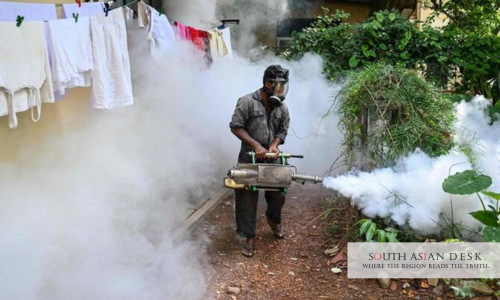
Sri Lanka dengue outbreak has pushed the country’s 2026 caseload above 44,000, with 28 deaths recorded since January, as health authorities intensify mosquito-control operations during the monsoon season.
The surge has raised concern over pressure on public hospitals, particularly in high-burden urban districts where stagnant water and debris can create mosquito breeding sites.
Sri Lanka Dengue Outbreak Intensifies During Monsoon Season
Cases have risen sharply in recent weeks. Data attributed to the National Dengue Control Unit showed dengue cases increasing from 5,651 in April to 10,638 in the first two weeks of June.
More than half of the reported dengue cases in Sri Lanka have come from the western region, including Colombo. Colombo alone has recorded 9,429 cases, while eight other districts have each reported more than 2,000 patients since the start of the year.
Health officials have linked the increase to multiple factors, including monsoon rains, unplanned urbanisation and debris left after Cyclone Ditwah, which struck Sri Lanka in late November 2025 and caused widespread damage. Pools of stagnant water in containers, construction sites, discarded material and blocked drains can increase the risk of Aedes mosquito breeding.
The Epidemiology Unit’s Weekly Epidemiological Report earlier recorded 29,064 cumulative dengue fever notifications by Sunday, May 17, 2026, showing a substantial rise before the latest June surge.
Government Expands Dengue Prevention Week
Authorities have launched a National Dengue Prevention Week from Monday, June 15, 2026, to Saturday, June 20, 2026, focusing on cleaning and awareness programmes across high-risk areas.
The programme includes cleaning public places from Monday, June 15, 2026, to Wednesday, June 17, 2026, educational institutions on Thursday, June 18, 2026, public and private institutions on Friday, June 19, 2026, and private residences and surrounding areas on Saturday, June 20, 2026.
Sri Lanka Army personnel have also supported islandwide cleaning and awareness activities under the guidance of health authorities. Schools, homes, construction sites, public buildings and other premises are being targeted as authorities attempt to reduce mosquito breeding sites.
Hospitals Face Pressure As Colombo Reports High Burden
Health Minister Nalinda Jayatissa has warned that a further increase in dengue patients could place severe pressure on public hospitals.
The 28 reported deaths include five children. Authorities have also cautioned that if infections continue rising, the 2026 outbreak could approach the scale of Sri Lanka’s 2019 dengue surge, when the country recorded more than 105,000 cases.
Dengue fever can range from mild illness to severe disease requiring hospital care. Common symptoms include high fever, severe headache, muscle and joint pain, nausea, vomiting and rash. Severe dengue may cause bleeding, persistent vomiting, rapid breathing, severe abdominal pain and shock.
Background
Dengue is a mosquito-borne viral infection transmitted mainly through the bite of infected Aedes mosquitoes. It is common in tropical and subtropical climates, particularly in urban and semi-urban areas.
Sri Lanka has faced periodic dengue outbreaks, with transmission often rising during rainy periods when water collects in open containers, drains, discarded tyres, construction areas and other artificial habitats. Public health guidance focuses on removing stagnant water, covering water-storage containers, using repellents and seeking medical care if warning signs appear.
What’s Next
Health officials expect dengue infections to remain elevated in the immediate term as prevention teams continue inspections, clean-up work and public awareness campaigns.
Authorities are urging residents, schools, businesses and construction operators to remove mosquito breeding sites and monitor symptoms early. The Sri Lanka dengue outbreak remains a major public health concern as the country moves through the monsoon period.
Published in SouthAsianDesk, June 20, 2026
Follow SouthAsianDesk on X, Instagram and Facebook for insights on business and current affairs from across South Asia.