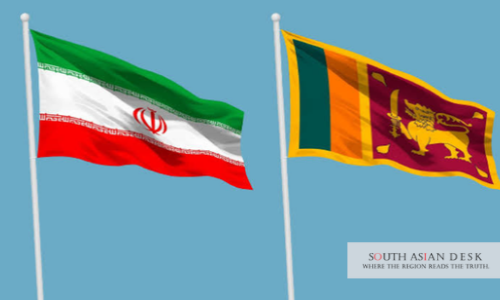
Sri Lanka rescues 40 Iranian sailors in an operation that the island nation’s foreign ministry says was coordinated at the request of Tehran’s diplomats, after the crew members suffered medical emergencies aboard commercial vessels in international waters. A ministry spokesman announced the operation on Sunday, 25 October 2026.
Operation Brought Sailors Ashore at Galle Harbour
The sailors were taken from 19 commercial ships and brought ashore at Galle Harbour, which lies about 126 kilometres from the commercial capital, Colombo. Foreign ministry spokesman Thushara Rodrigo said the Iranian sailors received medical treatment on arrival and left Sri Lanka for Iran in the early hours of Sunday.
The ministry did not disclose the nature of the medical emergencies or explain why the men needed to be evacuated. Rodrigo described the conditions only as unspecified. A government source with direct knowledge of the operation told Reuters that the Sri Lankan navy and coastguard typically provide support during humanitarian efforts of this kind.
Request Came Through Diplomatic Channels
According to the ministry, the Iranian embassy in Colombo submitted a formal request through diplomatic channels asking Sri Lanka to assist the affected crew members. The Associated Press reported separately that the embassy and local shipping agents arranged the vessels used to ferry the sailors to shore, while Sri Lankan authorities handled immigration and other administrative procedures.
The arrangement suggests a division of responsibilities in which Iranian representatives organised transport and Sri Lankan officials oversaw the legal and medical aspects of the arrival.
Ships Caught Up in the US Naval Blockade
The ministry gave no further explanation of why the vessels were in the area. However, the AP reported that the ships were among a group of Iranian vessels left stranded near Sri Lanka following the US naval blockade on Iranian shipping, which Washington imposed as part of its war against Iran. The AP also reported that the Iranian oil tankers have been anchored off the island for several months. Local media, including The Hindu, reported that the sailors were aboard US-sanctioned oil tankers, although the Sri Lankan ministry did not confirm this.
The rescue follows a cautious public position from Colombo. The AP noted that, two weeks earlier, the Sri Lankan government had said it had no immediate plans to assist the ships and that it would put the national interest first. The government also acknowledged that companies supplying the vessels were aware of the possibility of secondary sanctions from the United States.
Echoes of the IRIS Dena Incident
The latest humanitarian operation recalls events earlier this year. On 4 March 2026, the Iranian warship IRIS Dena was sunk by a torpedo fired from a US submarine just outside Sri Lanka’s territorial waters. Sri Lanka’s navy rescued survivors and recovered the bodies of those killed, and the island nation also gave shelter to a second Iranian vessel, the IRIS Bushehr, after its crew reported technical problems.
The remains of more than 80 sailors who died in the attack were flown back to Iran in mid-March. Thirty-two survivors of the sunken frigate, along with 208 crew members from the second vessel, were returned to Iran in April. Reports have given slightly differing figures for the number killed, with some outlets citing 84 and others 87.
Sri Lanka Rescues 40 Iranian Sailors: Sri Lanka’s Balancing Act
The episode highlights the delicate position Sri Lanka occupies in the Indian Ocean. The country has repeatedly framed its actions as humanitarian and consistent with its obligations under international maritime law, while avoiding any appearance of taking sides in the wider conflict between Washington and Tehran. By acting only after a formal diplomatic request, and by confining its role to medical care and administrative support, Colombo has sought to preserve that neutrality.
For the Iranian sailors, the practical outcome was prompt treatment and a return home. For Sri Lanka, the operation is a further reminder that the consequences of the conflict extend well beyond the Gulf region, reaching the shipping lanes and ports of South Asia.
Follow SouthAsianDesk on X, Instagram, and Facebook for insights on business and current affairs from across South Asia.