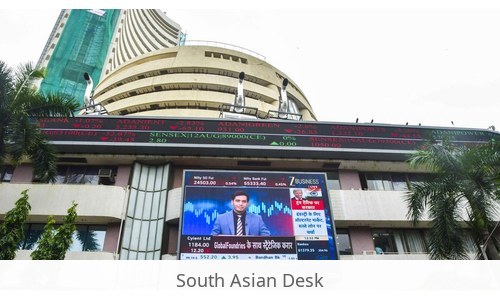
Trump drug tariffs impact: The BSE Sensex fell by 733.22 points, or 0.90%, settling at 80,426.46, marking a three-week low. The decline in the stock market is attributed to selling pressure in the pharmaceutical and IT sectors, following the announcement of new tariffs on drugs by Donald Trump. This downturn underscores the sensitivity of key Indian industries to international policy shifts, particularly in sectors that rely heavily on global trade networks. The pharmaceutical sector, which accounts for over 10% of India’s total exports, has long been a critical component of the country’s economic strategy, supplying generic medications to markets worldwide. The IT sector, meanwhile, has grown increasingly intertwined with pharmaceutical supply chains through digital infrastructure, logistics, and data management systems. The combined impact of these sectors on the stock market reflects the interconnectedness of India’s economy with global trade dynamics.
Trump drug tariffs impact: Market Reaction to Tariffs
Investors reacted negatively to the announcement, leading to a sell-off in key sectors. The pharmaceutical sector, a cornerstone of India’s export economy, faced immediate pressure as traders anticipated higher costs and reduced competitiveness in global markets. The IT sector also experienced volatility, with analysts noting concerns over potential ripple effects on technology-driven pharmaceutical supply chains. The decline in stock prices reflects broader anxieties about the long-term viability of India’s export-oriented industries under new trade regimes. This reaction is not isolated; similar market corrections have been observed in response to previous U.S. trade policies targeting Indian exports, such as the 2022 steel and aluminum tariffs. The current situation, however, is amplified by the scale of the pharmaceutical sector’s global footprint, which includes supplying critical medications to low-income countries through initiatives like the World Health Organization’s Essential Medicines List.
Long-term Implications for the Indian Pharmaceutical Sector
The Indian pharmaceutical sector, which contributes significantly to India’s foreign exchange earnings, may face structural challenges if the Trump drug tariffs impact persist. Increased import costs for raw materials and potential retaliatory measures could erode profit margins for manufacturers. Industry experts warn that such developments may accelerate efforts to localize production, though this would require substantial investment in domestic infrastructure. The sector’s resilience will depend on its ability to navigate these policy uncertainties while maintaining its position as a global generic drug supplier. Historically, India’s pharmaceutical industry has thrived on its cost-competitive manufacturing base and robust regulatory framework, but the new tariffs could disrupt this equilibrium. For instance, the import of active pharmaceutical ingredients (APIs) from China, which constitutes a significant portion of India’s raw material needs, may become more expensive, forcing manufacturers to either absorb the costs or pass them on to consumers. This could have cascading effects on the affordability of medications in both domestic and international markets.
Investor Sentiment and Future Outlook
Current investor sentiment in India remains cautious, with market participants closely monitoring subsequent policy announcements and global economic conditions. The uncertainty surrounding trade relations has led to a defensive posture in portfolio management, with funds shifting toward safer assets. Future market trends may hinge on diplomatic negotiations, the pace of tariff implementation, and the response of international trading partners. As of now, the Indian stock market’s trajectory remains contingent on the evolving geopolitical landscape. The situation also highlights the broader tension between protectionist policies and the need for global cooperation in critical sectors like healthcare. While the U.S. government has framed the tariffs as a measure to protect domestic pharmaceutical innovation, critics argue that they risk destabilizing global supply chains and increasing healthcare costs for vulnerable populations. The Indian government has yet to formally respond to the tariffs, but industry stakeholders are reportedly exploring options such as diversifying raw material sources, enhancing domestic production capabilities, and engaging in multilateral trade negotiations to mitigate the impact.
Follow SouthAsianDesk on X, Instagram and Facebook for insights on business and current affairs from across South Asia.
Sources
- Sensex, Nifty tank nearly 1% on selling in pharma, IT shares after new Trump tariffs on drugs – thehindu.com
- Stock Market LIVE Updates, Sensex Today: Sensex Opens 250 Points Higher As Oil Slips Below $90 – ndtv.com
Image: th-i.thgim.com