The US Senate Foreign Relations Committee has approved a bill aimed at preventing American taxpayer dollars from reaching the Taliban in Afghanistan.
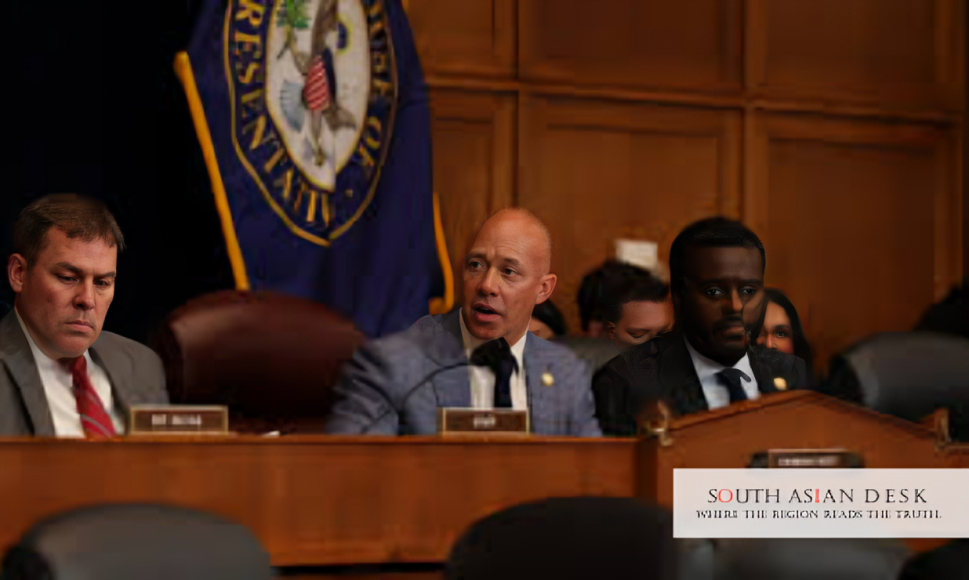
The US Senate Foreign Relations Committee on Thursday, January 29, 2026, passed the No Tax Dollars for Terrorists Act, a measure to implement the US Senate Afghanistan aid restriction by curbing potential funding to militant groups. Sponsored by Senator Tim Sheehy, the legislation seeks to block any diversion of assistance.
This development holds significance for South Asia, where instability in Afghanistan affects neighbouring countries like Pakistan and India through refugee flows, security threats, and economic ties. The US Senate Afghanistan aid restriction could reshape humanitarian efforts amid ongoing regional tensions.
No Tax Dollars for Terrorists Act Explained
The No Tax Dollars for Terrorists Act requires the Department of State to create a strategy opposing financial or material support to the Taliban from foreign governments and non-governmental organisations. It mandates detailed reports on cash assistance programmes in Afghanistan, including partners, payment methods, and oversight to ensure the Taliban US funding block.
Senator Jim Risch, chairman of the committee, stated: “Today, the Senate Foreign Relations Committee passed one of the most commonsense bills we’ve considered in years—the No Tax Dollars for Terrorists Act. The name says it all. This bill will help to prevent even one American dollar from going to terrorist organisations in Afghanistan like the Taliban.”
The Senate committee Afghanistan bill also highlights US military sacrifices, with over 2,000 service members killed and more than 20,000 injured during the Afghan war. Risch added that allowing funds to reach the Taliban would disrespect veterans and their families.
Senator Tim Sheehy, the bill’s lead sponsor, said: “There is no justification for a dime of US taxpayer money finding its way into the hands of terrorists who openly call for ‘death to America’.” The legislation, introduced in January 2025 with co-sponsors including Senators Bill Hagerty and Tommy Tuberville, clarifies US policy against support for the Taliban.
Taliban US Funding Block Amid Aid Diversion Concerns
Reports indicate the Taliban have diverted international aid. A Special Inspector General for Afghanistan Reconstruction (SIGAR) report from August 2025 found the Taliban used force, regulatory powers, and extortion to control aid distribution. It alleged redirection to favoured Pashtun communities, sidelining minorities like Tajiks and Hazaras.
The report noted instances of Taliban collusion with UN officials for kickbacks and blocking aid to certain groups. One aid worker was killed after exposing food diversion to a Taliban camp. The State Department confirmed systematic diversion, leading to a 2025 suspension of most US programmes.
In fiscal year 2025, before the pause, USAID’s Bureau for Humanitarian Assistance obligated USD 29 million for Afghanistan. Since August 2021, total US humanitarian aid exceeded USD 1 billion, but concerns over the Taliban US funding block prompted reviews.
The executive order on January 20, 2025, halted assistance for 90 days, resulting in termination of most programmes by April. Only limited waivers allowed life-saving aid to continue briefly. State Department data shows 23 programmes worth USD 87 million ended.
Senate Committee Afghanistan Bill Implications for South Asia
The US Senate Afghanistan aid restriction aligns with broader efforts to isolate the Taliban regime, which has imposed strict controls since 2021. In South Asia, this could influence Pakistan’s border management, as Afghanistan hosts groups like Tehrik-i-Taliban Pakistan.
India, a major donor, has provided over USD 3 billion in aid historically, focusing on infrastructure. The bill’s strategy may encourage similar restrictions among allies, affecting regional diplomacy.
Humanitarian needs remain acute, with over 23 million Afghans requiring assistance in 2026, per UN estimates. The US Senate Afghanistan aid restriction emphasises oversight, potentially reducing aid volumes but targeting delivery.
Background
US involvement in Afghanistan shifted after the 2021 withdrawal. Initial aid focused on humanitarian relief amid economic collapse. By 2024, reports emerged of Taliban interference, including taxes on aid convoys and staff intimidation.
The SIGAR report detailed 47 cases of diversion from 2022 to 2025, involving threats and forced redirection. UN agencies faced criticism for inadequate safeguards, leading to US policy shifts.
The No Tax Dollars for Terrorists Act builds on earlier measures, like the 2022 Afghan Women and Children Support Act, but focuses on the Taliban US funding block through international pressure.
What’s Next
The Senate committee Afghanistan bill now heads to the full Senate for debate. If passed, it requires House approval, where a companion bill exists. President Trump could sign it into law, enforcing the US Senate Afghanistan aid restriction.
Implementation would involve annual reports to Congress on aid safeguards. Challenges include verifying compliance in Taliban-controlled areas.
The US Senate Afghanistan aid restriction signals a tougher stance, potentially influencing global donors and pressuring the Taliban on human rights.
Published in SouthAsianDesk, January 31st, 2026
Follow SouthAsianDesk on X, Instagram and Facebook for insights on business and current affairs from across South Asia.