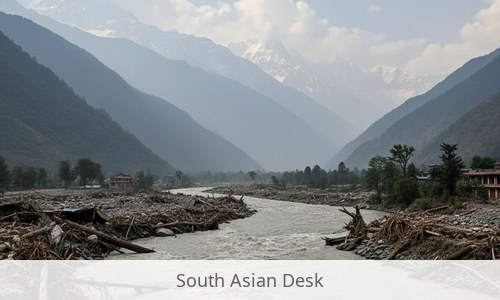
Uttarakhand glaciers melting: On August 26, 2026, a catastrophic ice-rock avalanche triggered the Bhotekoshi flash floods in Nepal, devastating towns and villages in northern and central regions. This event has drawn renewed attention to the rapid melting of glaciers in neighboring Uttarakhand, India, where researchers report a sharp increase in glacial retreat in recent years. The interconnectedness of Himalayan ecosystems underscores the urgency of addressing climate change impact across the region.
Uttarakhand glaciers melting: Implications for Local Water Resources
NDTV reports that Uttarakhand’s glaciers are melting at an accelerated rate, threatening critical water resources Uttarakhand for agriculture and daily life. The Himalayan region serves as a vital water source for millions, with glacial melt feeding rivers that sustain downstream communities. Reduced glacial runoff could disrupt irrigation systems and exacerbate water scarcity during dry seasons, directly impacting food security in agrarian economies. For instance, the Ganges and Yamuna rivers, which originate in Uttarakhand, are critical for irrigation in northern India. A decline in glacial meltwater could reduce the flow of these rivers, affecting millions who depend on them for drinking water, farming, and hydropower generation.
The Hindu highlights that Nepal’s recent disaster underscores the cascading risks of glacial instability. The Bhotekoshi flood, which began in the glacierized Himalayan region, evolved into a destructive sequence involving ice, rock, debris, and water, illustrating the potential for similar events in Uttarakhand. Local farmers in Uttarakhand rely on seasonal glacial melt for crop cultivation, and prolonged disruptions could destabilize regional food systems. In addition, the loss of glacial mass may lead to long-term changes in river flow patterns, making it harder to predict water availability for both agricultural and domestic use.
Cross-Border Cooperation on Climate Action
The Himalayan region’s shared vulnerability necessitates collaborative efforts between India and Nepal. OnlineKhabar notes that the Bhotekoshi flood revealed the growing danger of cascading hazards in the Himalayas, emphasizing the need for joint disaster preparedness initiatives. Both nations have historically cooperated on transboundary water management, but climate change demands expanded coordination on early warning systems and glacial monitoring.
India and Nepal could build on existing frameworks like the Himalayan Monitoring and Research Programme (HIMAP) to share glaciological data and develop adaptive strategies. Cross-border cooperation India Nepal is essential to address the shared challenge of Uttarakhand glaciers melting, which threatens water resources Uttarakhand and regional stability. Cross-border collaboration on infrastructure projects, such as flood-resistant housing and community-based early warning systems, could mitigate risks for populations in both countries. For example, joint efforts to monitor glacial lakes and implement early warning systems could prevent disasters like the Bhotekoshi flood from occurring in the future.
Government Policies and Climate Mitigation
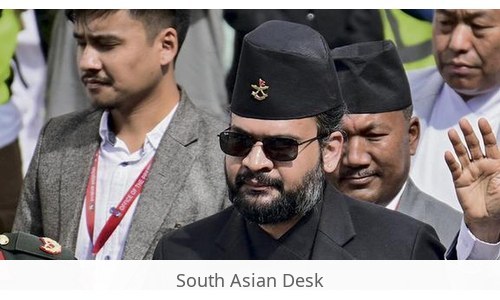
Current policies in Uttarakhand focus on afforestation and watershed management to combat soil erosion, but experts argue these measures are insufficient to address glacial retreat. The Indian government has prioritized climate resilience in its National Action Plan on Climate Change, yet implementation remains uneven in Himalayan states. Nepal’s Prime Minister Pushpa Kamal Dahal has emphasized the need for an early warning system as a national priority, reflecting the region’s shared challenges.
To enhance preparedness, policymakers should integrate glacial risk assessments into land-use planning and invest in satellite-based glaciological monitoring. International partnerships, such as the South Asian Association for Regional Cooperation (SAARC), could facilitate knowledge exchange on climate adaptation strategies. Strengthening regional cooperation will be critical to safeguarding the Himalayan ecosystem and the communities that depend on it. Additionally, local communities in Uttarakhand and Nepal must be involved in decision-making processes to ensure that climate mitigation efforts are culturally appropriate and effective.
Follow SouthAsianDesk on X, Instagram and Facebook for insights on business and current affairs from across South Asia.
Sources
- Uttarakhand Glaciers Melting Rapidly: Study Flags Threats Days After Nepal Disaster – ndtv.com
- Early warning system Nepal’s top priority: PM Shah – thehindu.com
- Bhotekoshi flood reveals the growing danger of Himalayan cascading hazards – english.onlinekhabar.com
Image: th-i.thgim.com