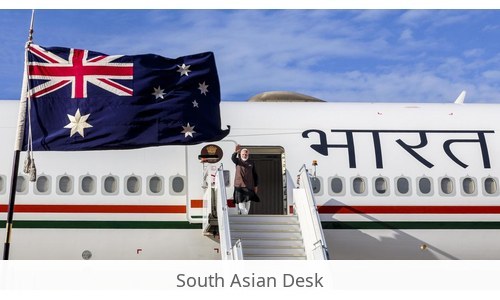
India New Zealand trade relations are set to be strengthened as Prime Minister Narendra Modi has arrived in New Zealand following a two-day visit to Australia, aiming to enhance economic ties with Prime Minister Christopher Luxon. The agenda includes discussions on trade, tourism, and sports, with a focus on the recently signed free trade agreement between the two nations.
India New Zealand trade relations: Focus on Economic Relations
The discussions between Modi and Luxon will center on deepening bilateral economic cooperation. Key areas of focus include expanding trade volumes, promoting tourism, and fostering collaboration in sports. The free trade deal, signed in April 2026, is expected to be a central topic of conversation during the talks. This agreement aims to reduce tariffs and streamline customs procedures, potentially boosting bilateral trade, which currently stands at approximately $1.3 billion annually.
India’s pharmaceutical sector, a global leader in generic drug manufacturing, represents a significant export opportunity for New Zealand, which has a growing demand for affordable healthcare solutions. Similarly, New Zealand’s dairy and seafood industries, which are among the most competitive in the world, stand to benefit from increased access to Indian markets. India’s status as one of the largest importers of dairy goods positions New Zealand as a strategic partner in this sector. The agreement also includes provisions for intellectual property protection and e-commerce, which could facilitate cross-border digital trade and innovation. These provisions align with India’s broader push to modernize its trade infrastructure and integrate more deeply into global value chains.
Implications of the Free Trade Deal
The free trade agreement has faced some domestic scrutiny in India, with critics raising concerns about potential impacts on local industries. However, proponents argue that the deal will open new markets for Indian exports, particularly in sectors such as pharmaceuticals, information technology, and textiles. New Zealand, in turn, seeks to increase its exports of dairy products and seafood to India, which is one of the world’s largest importers of dairy goods. The agreement also includes provisions for intellectual property protection and e-commerce, which could benefit both economies.
Domestic debates in India have centered on the potential for increased competition in sectors like agriculture and manufacturing, where New Zealand’s high-quality products may challenge local producers. However, supporters of the agreement emphasize that it includes safeguards for sensitive industries, such as phased tariff reductions and rules of origin requirements. These measures are designed to protect domestic markets while gradually opening them to foreign competition. The deal also includes commitments to address non-tariff barriers, such as regulatory harmonization and technical standards, which could reduce trade frictions and enhance market access for both sides.
Geopolitical Context
India’s engagement with New Zealand aligns with its broader strategy to strengthen economic and strategic ties in the Asia-Pacific region. This visit comes at a time when India is seeking to diversify its trade partnerships beyond traditional allies, including efforts to deepen relations with countries in the Pacific Islands. For New Zealand, the visit underscores its interest in deepening its economic relationship with a rising global power. The discussions may also touch on regional security issues, including maritime cooperation and climate change, which are increasingly important for both nations.
India New Zealand trade relations are part of a larger geopolitical narrative as India’s strategic pivot to the Asia-Pacific has been a defining feature of its foreign policy in recent years, driven by the need to counterbalance China’s growing influence in the region. New Zealand, as a Pacific Island nation with strong ties to both India and the West, represents a valuable partner for India in fostering multilateral cooperation. The two countries have also engaged in dialogue on climate change, with New Zealand’s commitment to carbon neutrality and India’s focus on sustainable development offering opportunities for collaborative initiatives. Additionally, maritime security cooperation, including joint efforts to combat illegal fishing and ensure the safety of shipping lanes, could be a key area of discussion during the visit.
Follow SouthAsianDesk on X, Instagram and Facebook for insights on business and current affairs from across South Asia.
Sources
- PM Modi leaves for New Zealand after concluding Australia visit – thehindu.com
- Modi visits New Zealand as trade deal sparks India pushback – dawn.com
Image: th-i.thgim.com