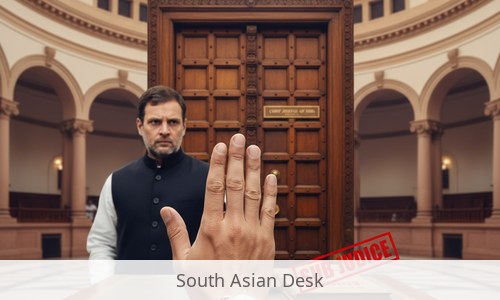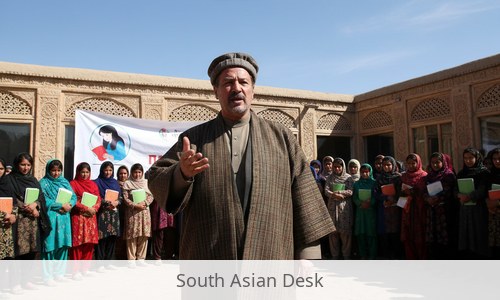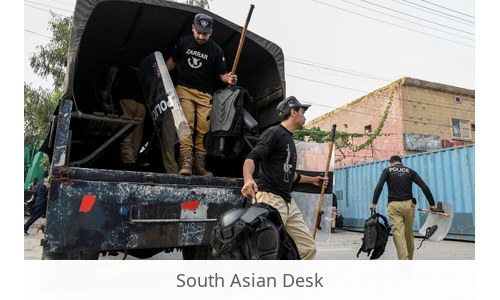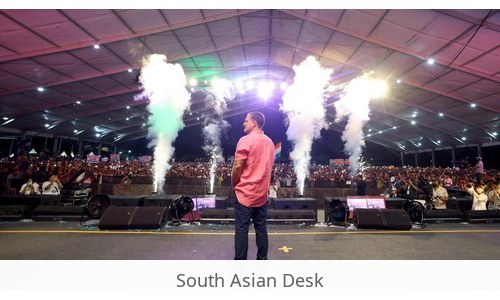
The Rahul Gandhi Pune event has been approved by local authorities with 30 specific restrictions, including a ban on banners deemed “objectionable.” Scheduled for August 20, 2026, the event titled “Chhatron Ki Goonj” will focus on critical issues for female students, such as education, safety, equality, and career opportunities. These restrictions reflect ongoing political tensions in Maharashtra, where political restrictions Maharashtra have become a contentious topic. The event aims to address female students education challenges while navigating the complex landscape of political discourse.
Rahul Gandhi Pune event: Political Context
The Rahul Gandhi Pune event underscores the rivalry between the Congress party and the BJP in Maharashtra, a state where youth engagement politics and education policy are central to electoral dynamics. Devendra Fadnavis, the Chief Minister, has raised Devendra Fadnavis allegations about the restrictions being politically motivated, suggesting bias against the event.
These claims highlight the broader contest over youth engagement politics and education policy in the state. The restrictions, while framed as administrative, have been interpreted by opposition parties as an attempt to limit the visibility of their messaging ahead of key elections. In Maharashtra, where female students education and safety are sensitive issues, such events often become flashpoints for political debate. The BJP’s emphasis on law and order and the Congress’s focus on social equity have shaped the discourse around these topics, with each party seeking to align its policies with the concerns of young voters.
Youth Engagement
Events like “Chhatron Ki Goonj” play a crucial role in shaping public opinion among young voters, particularly in a state like Maharashtra, where the youth demographic is significant. By focusing on issues affecting female students, the Congress party aims to address societal challenges such as safety and educational equity. This engagement is vital for influencing the next generation of voters in a state with significant electoral stakes. The event’s timing, coinciding with the academic calendar, ensures maximum reach among students and educators.
However, the restrictions on banners and messaging have raised concerns about the event’s ability to convey its full agenda. Critics argue that such limitations could dilute the impact of the discourse on critical issues, potentially affecting the event’s effectiveness in mobilizing support. The Congress party response to these restrictions has been firm, emphasizing the importance of youth engagement in political discourse.
Response from Congress
The Congress party has defended the Rahul Gandhi Pune event, emphasizing its importance for youth discourse. Party officials have criticized the restrictions as an attempt to suppress political messaging. They argue that the event’s focus on female students’ issues is essential for fostering inclusive dialogue on education and safety. The party’s stance reflects a broader strategy to re-engage with young voters, a demographic that has historically been a key factor in Maharashtra’s electoral outcomes. By addressing issues such as access to competitive exams and career opportunities, the Congress aims to position itself as a champion of progressive policies.
However, the restrictions on banners and messaging have forced the party to navigate a delicate balance between compliance with local regulations and ensuring the event’s core message reaches its intended audience. The Congress party response underscores the tension between political messaging and administrative oversight.
Implications for Political Discourse
The approval of the the result with 30 restrictions underscores the complex interplay between political messaging and administrative oversight in Maharashtra. While the local authorities have framed the restrictions as necessary to maintain order and prevent disruptions, the political narrative suggests a deeper contest over the space for dissent and dialogue.
The event’s focus on female students’ issues also highlights the intersection of gender equity and political strategy, a theme that has gained prominence in recent years. The restrictions may inadvertently draw attention to the very issues the event seeks to address, potentially amplifying its impact through media coverage and public discourse. This dynamic illustrates how political events, even when constrained, can become catalysts for broader conversations on policy and governance.
Follow SouthAsianDesk on X, Instagram and Facebook for insights on business and current affairs from across South Asia.
Sources
- Rahul Gandhi’s event in Pune gets nod with 30 curbs, ‘objectionable’ banners barred – thehindu.com
- Fadnavis alleges bias in Rahul Gandhi’s Pune student event; Congress hits back – indianexpress.com
Image: th-i.thgim.com