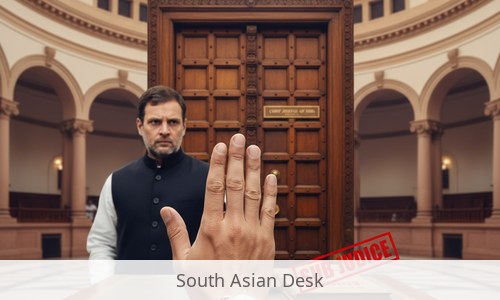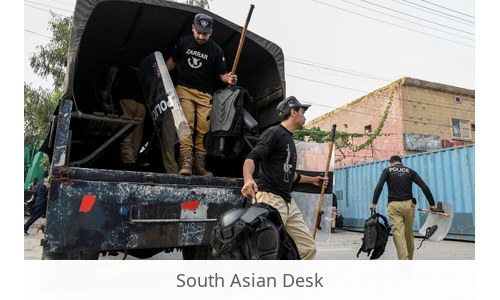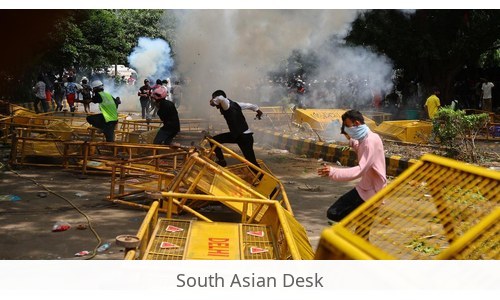
Supreme Court investigation committee: On August 20, 2026, the Supreme Court has established a High-Powered Enquiry Committee to investigate violence during student protests, as reported by The Hindu. The committee, led by former top court judge Justice R. Subhash Reddy, will prioritize allegations of harassment against female protesters, as directed by the Supreme Court. This move underscores the growing concerns around police misconduct India and the safety of female protesters during demonstrations.
Supreme Court investigation committee: Background of Student Protests
Recent student protests in India have drawn attention to longstanding tensions between demonstrators and law enforcement. These protests, often centered on educational reforms, economic policies, and social justice issues, have seen heightened police presence and occasional clashes.
Historical context reveals that student activism in India has been a recurring feature of political discourse, with protests dating back to the 1960s and 1970s. During this period, student movements played a pivotal role in shaping national policies, from the anti-licensing protests of the 1970s to the more recent demonstrations against farm laws in 2020. Previous instances of police action during protests have raised concerns about the use of force and the protection of demonstrators’ rights.
For example, the 2012 Delhi gang rape case, though not directly linked to protests, underscored systemic issues of gender-based violence in public spaces, which now intersect with the current inquiry. The Supreme Court’s decision to form this committee reflects a growing recognition of the need to balance public order with the rights of protesters, particularly women, who have historically faced disproportionate risks during such events.
Focus on Gender Issues
The inquiry will specifically examine the treatment of female protesters during the demonstrations. Reports of harassment and molestation have been a central concern, with NDTV highlighting that the Supreme Court has directed that these allegations be treated as a priority. The investigation aims to address gender-based violence in public spaces and ensure the safety of women participating in protests.
This focus underscores the broader issue of female protesters safety, a topic that has gained increasing attention in recent years. The committee’s mandate aligns with India’s legal framework, including the Protection of Women from Domestic Violence Act, 2005, and the Sexual Harassment of Women at Workplace (Prevention, Prohibition and Redressal) Act, 2013, though these laws primarily apply to private spaces.
The challenge lies in extending such protections to public demonstrations, where the dynamics of power and vulnerability are starkly evident. By prioritizing these allegations, the Supreme Court is signaling a commitment to addressing systemic issues that have long been overlooked in the context of protest policing. This move could set a precedent for future legal interpretations regarding the rights of women in public spaces, potentially influencing national policies on gender equality and public safety.
Implications for Public Safety and Legal Frameworks
The formation of this committee also raises questions about the broader implications for public safety and the legal frameworks governing protests. The inquiry into serious injuries sustained by protesters during police action, as stated by NDTV, highlights the need for a comprehensive review of police conduct and the use of force. This could lead to reforms in training protocols, accountability mechanisms, and the deployment of non-lethal force during demonstrations.
Additionally, the committee’s findings may influence the interpretation of existing laws, such as the Indian Penal Code (IPC) sections related to assault and rioting, to better protect both protesters and law enforcement personnel.
The potential for this investigation to catalyze policy changes underscores the Supreme Court’s role not only as a judicial body but also as a catalyst for social reform. By addressing the intersection of gender-based violence and protest dynamics, the committee’s work may contribute to a more nuanced understanding of the challenges faced by women in public spaces, thereby informing future legislative and administrative actions. The Supreme Court investigation committee’s focus on police misconduct India could lead to significant changes in how law enforcement interacts with demonstrators, ensuring greater accountability and transparency.
Follow SouthAsianDesk on X, Instagram and Facebook for insights on business and current affairs from across South Asia.
Sources
- Supreme Court forms High-Powered Enquiry Committee to investigate violence during student protests – thehindu.com
- Supreme Court Sets Up Panel To Probe Cop Action, Violence During NEET Protests – ndtv.com
Image: th-i.thgim.com