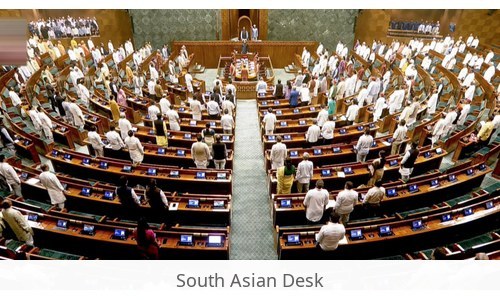
Congress mining law challenge: On August 20, 2026, Chief Ministers Revanth Reddy of Telangana, DK Shivakumar of Karnataka, and VD Satheesan of Kerala announced plans to file a petition in India’s Supreme Court challenging recent amendments to the Mines and Minerals (Development and Regulation) Act. The move reflects growing concerns among Congress-ruled states about the central government’s expanded regulatory control over mineral resources.
Congress mining law challenge: Political Dynamics
The legal challenge underscores tensions between state governments and the central administration over resource management. The amended MMDR Act grants the central government greater authority to regulate mining operations, a shift that state leaders argue undermines their autonomy in managing local resources.
The dispute is part of a broader pattern of federal tensions in India, where state governments have historically sought greater autonomy in managing natural resources. The MMDR Act amendments represent a significant centralization of power, shifting key regulatory functions from state authorities to the central government. This has raised concerns about the erosion of state legislative powers, particularly in regions where mineral wealth is a critical component of the local economy. Analysts suggest that the challenge could set a precedent for future state-level interventions in national policy, potentially reshaping the federal structure of governance in India.
Environmental Concerns
The states’ petition highlights environmental risks associated with the new regulations. The amended law allows for expedited approvals of mining projects, a provision critics argue could lead to ecological degradation. Telangana’s environmental department has raised concerns about the impact on the Godavari River basin, a vital water source for millions. The state’s officials warn that accelerated mining could disrupt the river’s flow, affecting agriculture and drinking water supplies in downstream regions. Karnataka’s officials cited potential damage to the Western Ghats’ biodiversity, a UNESCO-recognized biosphere reserve that is home to numerous endemic species. The state’s environmental agencies have expressed concerns that the new law’s streamlined approval process might bypass rigorous ecological assessments, increasing the risk of irreversible environmental harm.
The state has long been vocal about the environmental costs of mining, particularly in ecologically sensitive areas such as the Nilgiri Hills and the Western Ghats. The new law’s provisions, which prioritize economic growth over environmental protection, have been met with skepticism by environmental groups and local communities. These groups argue that the central government’s push for rapid development could lead to long-term ecological damage, undermining the sustainability of natural resources that are crucial for the region’s future.
Context of the Challenge
The dispute reflects broader tensions between state and central governments over resource governance. Recent years have seen increasing centralization of mining policy, with the MMDR Act amendments marking a significant shift in regulatory authority. The central government has framed the changes as necessary to streamline operations and ensure uniformity in mineral resource management across the country. However, state governments argue that the amendments bypass local expertise and ignore the unique environmental and socio-economic conditions of individual states.
The challenge could have far-reaching implications for India’s federal structure. If the Supreme Court rules in favor of the states, it could reinforce the principle of federalism, ensuring that state governments retain a significant role in managing natural resources. Conversely, a ruling in favor of the central government could further consolidate power at the national level, potentially leading to a more centralized approach to resource management. The outcome of this legal battle may also influence how future policies are crafted, with states likely to push for greater inclusion in decision-making processes related to natural resources.
The mining law implications extend beyond regulatory authority, touching on state autonomy in India and the environmental impact of mining. As the Supreme Court India prepares to hear the case, the Telangana Karnataka Kerala politics surrounding this issue will remain a focal point for observers of federal dynamics.
Follow SouthAsianDesk on X, Instagram and Facebook for insights on business and current affairs from across South Asia.
Sources
- Congress-backed State govts rally to overturn new mining law in Supreme Court – indianexpress.com
- Congress-Ruled States To Challenge Mines Law In Top Court: Sources – ndtv.com
Image: images.indianexpress.com