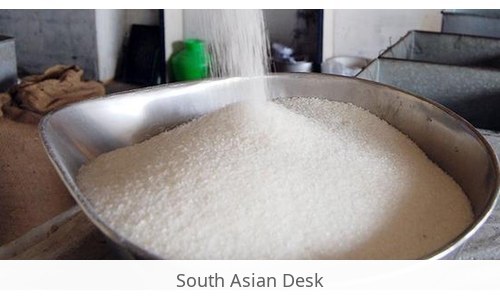
sugar price rise India has been attributed by the Indian government to crop damage, a dip in production, and heightened demand due to upcoming festivals. On August 22, 2026, officials confirmed the surge, emphasizing their commitment to monitoring the situation and implementing measures to ease the financial burden on consumers.
sugar price rise India: Impact of Crop Damage
The Hindu reports that crop damage in key sugar-producing states such as Odisha, Madhya Pradesh, and Punjab has significantly reduced production. These regions have experienced adverse weather conditions, leading to lower yields and affecting the supply chain. The reduced supply has directly contributed to the surge in sugar prices, impacting local economies that rely heavily on sugar cultivation.
India’s sugar industry, which accounts for approximately 15% of global production, has long been vulnerable to climatic fluctuations. The current shortfall in output—estimated at 12% below the previous year’s levels—has disrupted both domestic and international trade dynamics. In Odisha, unseasonal rainfall and prolonged droughts have damaged sugarcane fields, while Madhya Pradesh has faced erratic monsoons that have delayed planting and harvesting cycles. Punjab, traditionally a major producer, has seen a 10% decline in output due to soil degradation and pest infestations. These factors have created a ripple effect, with mills reporting lower processing capacity and traders facing tighter supply constraints.
The sugar production dip India has been exacerbated by these challenges, with some regions reporting a 15% reduction in sugarcane availability. This dip has not only affected domestic markets but also raised concerns about India’s ability to meet its international commitments, as the country is a major exporter of sugar. The crop damage sugar prices phenomenon is now a critical issue for policymakers, who are grappling with how to stabilize the market without distorting price signals.
The economic consequences are particularly acute in rural areas where sugarcane farming is a primary livelihood. Reduced production has led to lower procurement rates for farmers, threatening income stability. Additionally, the supply chain disruptions have affected ancillary industries, including packaging and transportation, which rely on consistent sugar output for their operations.
Government Measures
The Indian Express notes that the government is considering several measures to mitigate the impact of rising sugar prices. These include potential subsidies for consumers and interventions in the Indian government sugar policy, which has been a point of contention. The government has explicitly stated that the rise in sugar prices cannot be attributed to the ethanol policy, emphasizing that the primary factors are crop damage and increased demand.
The ethanol policy, introduced to promote biofuel production, mandates the blending of ethanol with gasoline. Sugar is a key raw material for ethanol, and while the government has maintained that the policy is not directly responsible for the current price surge, industry analysts have raised concerns about the indirect link. The policy’s expansion has increased demand for sugarcane, potentially exacerbating supply shortages. However, the government has reiterated that the current crisis is primarily due to reduced production and seasonal demand spikes.
To address consumer concerns, officials are exploring targeted subsidies for low-income households, which could be funded through existing welfare schemes. Additionally, the government is considering temporary price controls on essential sugar products and may intervene in the domestic market to stabilize prices. These measures, however, require careful calibration to avoid distorting market mechanisms or creating long-term dependency on subsidies.
Consumer Impact and Inflation
The rising sugar prices could influence inflation rates in India, particularly during festival seasons when demand for sugar is at its peak. Consumers, especially those in lower-income brackets, may face increased financial strain as essential goods become more expensive. The government’s response will be crucial in determining the extent of this impact on the broader economy.
With festivals such as Diwali and Eid approaching, the festival demand sugar prices are expected to rise sharply, further pressuring prices. These periods are critical for retailers and manufacturers, who often stock up on sugar for festive baking, confectionery, and traditional sweets. The increased demand, combined with reduced supply, could lead to a temporary spike in inflation, particularly in urban areas where consumption is higher.
The Reserve Bank of India (RBI) has expressed cautious optimism, noting that while the current price surge is localized, it could contribute to broader inflationary pressures if not managed effectively. The RBI has urged the government to implement targeted interventions to prevent the situation from spilling over into other sectors, such as food and beverage, which are heavily reliant on sugar. The impact of sugar prices on inflation is a key concern for policymakers, who are balancing the need to support consumers with the imperative to maintain market stability.
Follow SouthAsianDesk on X, Instagram and Facebook for insights on business and current affairs from across South Asia.
Sources
- Crop damage, production dip, and festival demand led to price hike, says govt. – thehindu.com
- India News 22 August Live Updates: Mallikarjun Kharge questions government over rising sugar prices, ethanol policy – indianexpress.com
Image: th-i.thgim.com