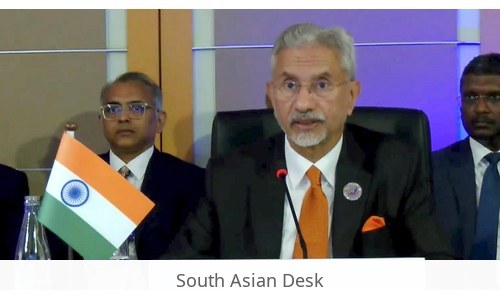
Jaishankar visit Russia: On August 22, 2026, India’s External Affairs Minister S. Jaishankar confirmed his planned visit to Russia on August 23 and 24, 2026, to co-chair the India-Russia Inter-Governmental Commission on Trade, Economic, Scientific, Technological, and Cultural Cooperation. The announcement, reported by The Hindu and The Indian Express, underscores the strategic partnership between the two nations amid evolving geopolitical dynamics.
Jaishankar visit Russia: Geopolitical Context
The India-Russia relationship, rooted in Cold War-era alignment, has evolved into a multifaceted partnership spanning defense, energy, and strategic diplomacy. Since the 1970s, New Delhi and Moscow have maintained close ties, with Russia serving as a key supplier of military equipment to India. This relationship has deepened in recent years, particularly as India seeks to diversify its international partnerships amid shifting global power structures.
The current visit, part of the Jaishankar visit Russia initiative, occurs against a backdrop of U.S.-Russia tensions, regional security concerns in South Asia, and India’s balancing act between major powers. Russia’s role as a counterweight to Western influence in global governance and its strategic interests in Central Asia further align with India’s goals of enhancing Eurasian connectivity and securing energy corridors. The ongoing geopolitical recalibration, including India’s engagement with the Quad and its participation in multilateral forums, highlights the need for sustained bilateral dialogue with Moscow.
Expected Outcomes
The Inter-Governmental Commission meeting is expected to focus on strengthening trade ties, advancing scientific collaboration, and exploring new avenues for cultural exchange. Potential agreements could include joint infrastructure projects, technology transfers, and enhanced diplomatic coordination on regional and global issues. In the defense sector, discussions may center on the procurement of advanced military hardware, including fifth-generation fighter jets and missile systems, as well as co-development of defense technologies.
Energy cooperation remains a cornerstone of the partnership, with prospects for expanding hydrocarbon imports from Russia and exploring renewable energy partnerships. Scientific collaboration could involve joint research in space exploration, nuclear energy, and artificial intelligence, building on existing frameworks like the India-Russia Inter-Governmental Commission on Science and Technology. Cultural initiatives may include expanded student exchange programs, joint cultural festivals, and digital platforms to promote mutual understanding. These outcomes may further solidify India’s position as a key player in Eurasian connectivity initiatives, aligning with its Act East and Neighbourhood First policies.
India’s Foreign Policy Strategy
Jaishankar’s visit aligns with India’s broader foreign policy approach of balancing relations with major powers while maintaining strategic autonomy. By deepening ties with Russia, India seeks to diversify its international partnerships and counterbalance regional pressures. This engagement also reflects New Delhi’s commitment to multilateralism and pragmatic diplomacy in a multipolar world. India’s foreign policy has long emphasized non-alignment, but the evolving global order necessitates a recalibration of priorities.
The visit underscores India’s intent to leverage its strategic partnerships with both Russia and the West to advance its economic and security interests. In the context of South Asian geopolitics, this engagement with Russia complements India’s efforts to strengthen regional cooperation through mechanisms like the South Asian Association for Regional Cooperation (SAARC) and its maritime partnerships with ASEAN. The visit also signals India’s intent to maintain a nuanced relationship with China, balancing economic interdependence with strategic caution.
Regional and Global Implications
The India-Russia partnership carries significant implications for regional and global dynamics. In South Asia, the deepening ties between New Delhi and Moscow could influence the balance of power, particularly in the context of India’s growing defense cooperation with the United States and its economic engagement with China. Russia’s strategic interests in Central Asia and the Caucasus also align with India’s efforts to expand its influence through infrastructure projects like the International North-South Transport Corridor (INSTC).
Globally, the partnership reinforces the role of non-Western powers in shaping international norms and institutions, challenging the dominance of Western-led frameworks. The visit may also have implications for global energy markets, as India’s energy security strategy increasingly incorporates Russian hydrocarbons amid geopolitical uncertainties.
Follow SouthAsianDesk on X, Instagram and Facebook for insights on business and current affairs from across South Asia.
The wider context of this developing story also includes India Russia relations.
Sources
- Jaishankar to visit Russia on August 23, 24 – thehindu.com
- India News 22 August Live Updates: External Affairs Minister S Jaishankar to visit Russia on August 23 – indianexpress.com
Image: th-i.thgim.com