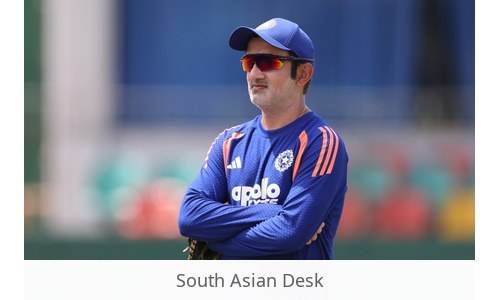
On August 22, 2026, Indian men’s cricket team coach Gautam Gambhir stated that a three-match Test series format is ‘ideal’ for the team, emphasizing its strategic importance as the squad prepares for the second Test against Sri Lanka in Colombo. This preference aligns with the cricket coaching philosophy of balancing player workload with competitive intensity in the Test cricket format.
three-match Test series: The Importance of Test Series Formats
Test cricket has long been a cornerstone of the sport, with series formats evolving over time to balance competitive intensity and fan engagement. Historically, Test series have ranged from two to five matches, with the number of games often influenced by scheduling, venue availability, and strategic considerations. Gambhir’s preference for a three-match Test series reflects a calculated approach to maintaining team momentum while allowing for adequate rest and preparation between matches.
The evolution of Test series formats can be traced back to the early 20th century, when the first official Test matches were played between England and Australia. Initially, series were often limited to two matches due to logistical constraints and the lack of standardized international fixtures. Over time, as cricket expanded globally, the number of matches in a series increased, with five-match series becoming common in the 1980s and 1990s. However, in recent years, there has been a shift toward shorter formats, driven by the rise of T20 and ODI cricket, which offer faster-paced, revenue-generating opportunities.
Gambhir’s advocacy for a three-match Test series aligns with a growing recognition of the need to preserve the strategic depth of Test cricket while addressing practical concerns such as player workload and tournament scheduling. A the result provides a middle ground, allowing teams to engage in longer, more tactical contests without overextending players. This format also ensures that teams can rotate their squads effectively, reducing the risk of injuries and burnout, which are critical considerations in a sport where player fitness is paramount.
The impact of series formats on team strategies is significant. A longer series can provide more opportunities for players to showcase their skills, while shorter formats may favor teams with aggressive batting or bowling lineups. Gambhir’s advocacy for the result aligns with the need to strike a balance between these factors, ensuring that the Indian team remains competitive without overextending players.
Implications for Future Test Cricket
Gambhir’s views on the the result may influence future Test series planning, not only for India but potentially for other cricketing nations as well. The Indian cricket team‘s performance in such formats could set a precedent for how series are structured in international cricket, particularly in regions where Test matches are a key component of the sporting calendar.
The Sri Lanka Test series, currently underway, provides a timely opportunity to assess the effectiveness of the the result. As the Indian team navigates the challenges of playing in Colombo, Gambhir’s strategic insights may shape how future series are approached, both domestically and internationally. The Colombo Test, in particular, is notable for its historical significance, having hosted several high-profile matches in the past, including encounters that have defined rivalries between the two nations.
The potential for a the result to become a standard in international cricket could also have broader implications for the sport’s governance. Cricket boards and international governing bodies, such as the International Cricket Council (ICC), may need to revisit their scheduling policies to accommodate this format, which could influence the allocation of venues, the timing of series, and the overall calendar of international cricket.
Furthermore, the adoption of a the result could help address concerns about the declining popularity of Test cricket in favor of shorter formats. By offering a compromise between the traditional five-day Test match and the high-octane T20, a the result might attract a wider audience, including fans who value both the strategic depth of Test cricket and the excitement of shorter formats.
Follow SouthAsianDesk on X, Instagram and Facebook for insights on business and current affairs from across South Asia.
Sources
- Gambhir says three-Test series format is ‘ideal’ – thehindu.com
- Gambhir ‘ideally’ wants three-match Test series – cricinfo.com
Image: p.imgci.com