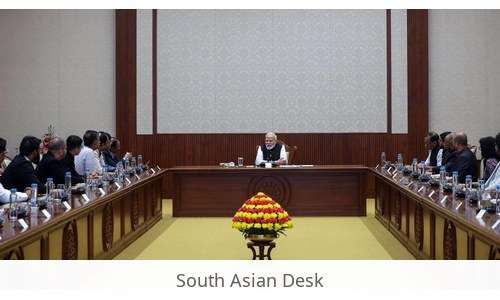
India space sector innovation is at a pivotal moment as Prime Minister Narendra Modi convened a meeting with CEOs and founders of 20 space startups on August 21, 2026. The discussions centered on leveraging India’s cost-competitiveness in space launches to attract global talent and reshape the global space market. This initiative aligns with India’s broader efforts to strengthen its technological footprint and secure a prominent role in international space collaborations, particularly as global demand for satellite services, launch capabilities, and space-based applications continues to rise.
India space sector innovation: Implications for India’s Space Policies
Modi’s engagement with private sector leaders signals a potential shift in India’s space policies, with increased government support for startups likely to be a key focus. The Indian Space Research Organisation (ISRO) and the Department of Space may see revised funding allocations to foster collaboration between public and private entities. This could also open avenues for partnerships with international space agencies, enhancing India’s role in global space exploration initiatives.
The meeting underscored the government’s intent to streamline regulatory frameworks, which have historically been a barrier for private players in the sector. By reducing bureaucratic hurdles and offering tax incentives, the administration aims to create an environment conducive to rapid innovation and scalability. Such measures could catalyze the development of indigenous technologies in areas like satellite manufacturing, propulsion systems, and space-based data analytics, which are critical for both commercial and defense applications.
The strategic realignment of India’s space policies also reflects a growing recognition of the private sector’s role in driving technological advancements. While ISRO has traditionally dominated space missions, the government’s emphasis on private participation signals a move toward a hybrid model that balances state-led projects with market-driven innovation.
This approach could accelerate the deployment of low-cost satellite constellations, which are increasingly vital for applications such as agriculture monitoring, disaster management, and urban planning. Additionally, the government’s focus on cost-competitiveness positions India as a viable alternative to established players like the United States and China, potentially attracting foreign investment and fostering a competitive edge in the global space economy.
Attracting Global Talent
During the meeting, Modi highlighted strategies to create an ecosystem that attracts global talent, including tax incentives, research grants, and streamlined regulatory frameworks. Indian startups are being encouraged to innovate in areas such as satellite technology, launch vehicles, and space-based applications. Success stories like the collaboration between ISRO and SpaceX on satellite deployment projects were cited as models for future partnerships. The Prime Minister emphasized the importance of creating a conducive environment for researchers and entrepreneurs, noting that India’s growing infrastructure, skilled workforce, and cost advantages could make it a magnet for global talent.
To achieve this, the government is exploring measures such as expedited visa processes for foreign experts, establishment of specialized research hubs, and partnerships with global academic institutions. These steps aim to address the challenges of retaining skilled professionals within the country while also attracting international expertise. The meeting also highlighted the need for fostering a culture of innovation through public-private partnerships, where startups can leverage ISRO’s technical expertise and infrastructure. For instance, initiatives like the Small Satellite Launch Vehicle (SSLV) program, which aims to provide affordable launch options for small satellites, could serve as a platform for private companies to test and deploy cutting-edge technologies.
The emphasis on global talent also extends to international collaborations. By positioning itself as a hub for space innovation, India could attract joint ventures with countries seeking cost-effective solutions for their space programs. This could lead to shared research projects, co-development of technologies, and mutual benefits in areas such as Earth observation, climate monitoring, and interplanetary exploration. The potential for such collaborations is underscored by India’s existing partnerships with nations like the United States, France, and Japan, which have already engaged in joint missions and technology transfers.
Follow SouthAsianDesk on X, Instagram and Facebook for insights on business and current affairs from across South Asia.Sources
- PM Modi urges private space sector to build global aura of innovation – thehindu.com
- ‘Draw global talent pool’: PM Modi meets space startup CEOs, promises unwavering support – indianexpress.com
Image: th-i.thgim.com