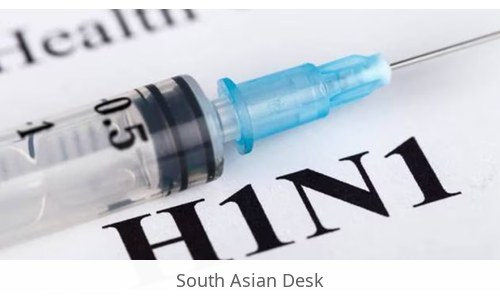
swine flu cases in Delhi have become a focal point of public health discourse as the Indian Council of Medical Research (ICMR) confirmed on August 23, 2026 that no new strain of swine flu is circulating in India. Despite a surge in cases reported in Delhi, the health authority emphasized that existing vaccines remain effective against the current influenza strains, which align with the seasonal flu vaccine formulations. This ICMR swine flu reassurance comes as Delhi logs over 2,000 cases, prompting public health officials to reinforce messaging about vaccination and preventive measures.
swine flu cases in Delhi: Public Health Implications
The ICMR’s statement aims to mitigate public concern and reinforce confidence in the national vaccination program. As per The Indian Express, the agency highlighted that the circulating strains are well-matched with the vaccine, reducing the risk of severe complications for most individuals. However, ICMR cautioned that the seasonal flu risks remain self-limiting but pose heightened risks for those with pre-existing medical conditions, such as diabetes, asthma, or immunocompromised states. Public health experts suggest that clear public health communication from ICMR could influence vaccination compliance, particularly in urban centers like Delhi where healthcare infrastructure faces strain during flu seasons.
The role of ICMR in managing public health narratives during outbreaks is critical. By promptly addressing misinformation and confirming the absence of a novel strain, the agency aims to prevent unnecessary panic. This aligns with broader efforts to maintain public trust in scientific institutions, particularly in the context of post-pandemic health awareness. However, the challenge lies in ensuring that messaging reaches vulnerable populations who may lack access to reliable health information.
The current situation in Delhi reflects a broader pattern seen in previous flu seasons, where seasonal influenza strains have periodically surged in urban areas. ICMR’s role in monitoring and responding to such outbreaks has been pivotal since the 2009 H1N1 pandemic, when the agency played a key role in coordinating national surveillance and vaccine distribution. This historical context underscores the importance of ICMR’s current reassurances, as they build on decades of experience in managing infectious disease threats.
Healthcare Response in Delhi
Delhi’s healthcare system has implemented measures to manage the surge in swine flu cases in Delhi. Hospitals and clinics across the city have reported increased patient inflow, with a focus on triaging individuals based on symptom severity. The Delhi government has coordinated with local health agencies to bolster outpatient services, distribute antiviral medications, and ensure hospital beds are available for high-risk patients. According to The Hindu, health officials are also emphasizing hygiene protocols and encouraging the use of masks in crowded areas to curb transmission.
Despite these efforts, challenges persist. Overcrowding in public healthcare facilities and delays in diagnostic testing have raised concerns about the system’s capacity to handle a potential spike in cases. Private healthcare providers have reported a rise in demand for flu vaccines, though availability remains stable. The coordination between ICMR, state health departments, and local clinics will be crucial in maintaining an effective response without overwhelming the healthcare infrastructure.
The Delhi government has also initiated targeted outreach programs to high-risk communities, including door-to-door awareness campaigns in slum areas and mobile clinics in underserved neighborhoods. These efforts aim to bridge the gap in healthcare access and ensure that vulnerable populations receive timely medical attention. However, the effectiveness of such programs depends on sustained funding and inter-agency collaboration, which remains a persistent challenge in India’s decentralized healthcare system.
Regional and National Context
The situation in Delhi is part of a larger regional trend, with similar swine flu cases in Delhi surges reported in other major Indian cities such as Mumbai and Kolkata. ICMR’s confirmation that no new strain is circulating provides a unified response to a potential nationwide concern. This is particularly significant given the recent history of viral mutations, such as the emergence of the H3N2 strain in 2020, which required rapid adjustments to vaccine formulations.
The current flu season also highlights the importance of seasonal vaccination programs, which have seen varying levels of compliance across India. In urban centers like Delhi, where population density and mobility are high, adherence to vaccination drives has been a key focus for public health authorities. The ICMR’s emphasis on vaccine effectiveness aligns with global health guidelines that stress the importance of annual flu vaccinations, especially for high-risk groups.
Delhi health updates: Monitoring and Preparedness
As part of ongoing Delhi health updates, the government has established a centralized dashboard to track the spread of swine flu cases in real-time. This initiative aims to provide transparency and enable swift action in case of localized outbreaks. Health officials have also ramped up testing capacity, with mobile units deployed in high-risk areas to ensure rapid diagnosis and isolation of affected individuals.
Public health communication has been a cornerstone of the response, with regular press briefings and social media campaigns aimed at disseminating accurate information. The ICMR has partnered with local influencers and community leaders to amplify messages about vaccination and hygiene practices, ensuring that even marginalized populations receive critical health updates.
Conclusion
As the the result continue to be monitored, the ICMR’s confirmation of no new strain serves as a critical public health reassurance. The agency’s role in maintaining transparency and providing evidence-based guidance is essential in preventing misinformation and ensuring that preventive measures are effectively implemented. The healthcare response in Delhi, while facing logistical challenges, demonstrates the resilience of the system in managing seasonal outbreaks. Continued collaboration between national health authorities, state governments, and local healthcare providers will be vital in sustaining this response and mitigating the impact of future flu seasons.
Follow SouthAsianDesk on X, Instagram and Facebook for insights on business and current affairs from across South Asia.
Sources
- ‘No new swine flu strain, don’t panic,’ says ICMR; Delhi logs over 2,000 cases – indianexpress.com
- No new H1N1 strain in India, existing vaccines sufficient, says ICMR – thehindu.com
Image: images.indianexpress.com