Afghans have access to the national power grid at a rate of just 40 to 42 percent, according to a new assessment by the United Nations Development Programme, underscoring the scale of the country’s ongoing energy crisis. The finding places Afghanistan among the least electrified nations in the region and highlights the widening gap between urban centers and rural communities that make up the majority of the population.
Urban and Rural Disparities in Afghanistan Electricity Access
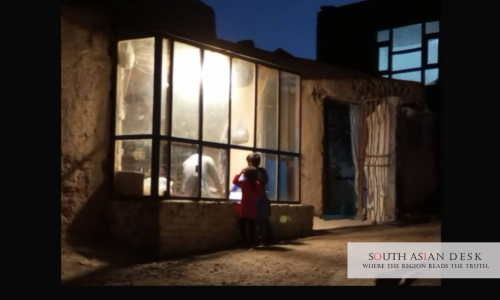
The UNDP report found that Afghanistan electricity access remains sharply unequal depending on geography. Around 90 percent of residents in major urban centers such as Kabul, Herat and Mazar-i-Sharif have electricity, while coverage in rural regions, where most Afghans live, falls to as low as 10 percent in some areas. This disparity has left millions of households in the countryside without reliable power for lighting, refrigeration or basic appliances, forcing many to rely on alternative and often hazardous sources of energy.
According to the organization, most Afghan households continue to depend on firewood and coal for cooking and heating. This reliance has contributed to deforestation, worsening air pollution and heightened exposure to climate related risks, particularly in regions already vulnerable to drought and environmental degradation.
Heavy Dependence on Imported Electricity
A central factor behind the limited number of Afghans who have access to the national power grid is the country’s continued dependence on imported electricity. Afghanistan imports a substantial share of its power from Uzbekistan, Tajikistan, Turkmenistan and Iran, with Central Asian suppliers accounting for the majority of that total. While these energy links have helped meet demand in major cities and industrial centers, the arrangement leaves the country exposed to external price fluctuations, payment disputes and interruptions tied to regional politics.
The UNDP noted that despite the suspension of numerous development projects following the political changes of 2021, several major energy initiatives have resumed in recent years. Among them are the CASA-1000 electricity transmission project and the TAPI pipeline, both of which remain at various stages of implementation and are expected to play a role in shaping the country’s long term energy supply.
Renewable Energy Potential Remains Largely Untapped
The report also pointed to Afghanistan’s substantial renewable energy resources, including solar and wind, which remain largely unexploited despite their potential to expand domestic generation capacity. Analysts and development agencies have long argued that solar power in particular could offer a more sustainable and cost effective solution for rural electrification than extending the national grid, given the difficult terrain and dispersed population across much of the country.
UNDP has previously supported the installation of solar systems in various provinces as part of efforts to bring electricity to communities that would otherwise remain disconnected from the grid for years to come, if not indefinitely. Officials have said that scaling up such initiatives could help close the access gap more quickly than large infrastructure projects, which require significant capital investment and time to complete.
Broader Implications for Development
The limited scope of Afghans who have access to the national power grid carries consequences well beyond household convenience. Reliable electricity underpins access to healthcare, education and economic opportunity, and its absence in rural areas has been linked to slower development outcomes across multiple sectors. Health facilities and schools in areas with weak or nonexistent grid connections often struggle to operate essential equipment, while small businesses face higher costs relying on diesel generators as an alternative.
The UNDP has framed expanded and reliable electricity access as a precondition for broader economic recovery in Afghanistan, particularly as the country continues to grapple with reduced international assistance and a fragile economic outlook. With only a minority of the population currently connected to the national grid, officials say closing the divide between urban and rural access will remain one of the country’s most pressing infrastructure challenges in the years ahead.
Published in SouthAsianDesk, August 24th, 2026
Follow SouthAsianDesk on X, Instagram and Facebook for insights on business and current affairs from across South Asia.