South Korea donates $3 million to WFP Afghanistan in a new contribution aimed at supporting food and nutrition assistance for vulnerable women and children, the United Nations World Food Programme announced. The funding, provided through South Korea’s Ministry of Foreign Affairs, comes as humanitarian agencies warn that the country’s hunger and malnutrition emergency continues to worsen despite years of international assistance.
Details of the Contribution
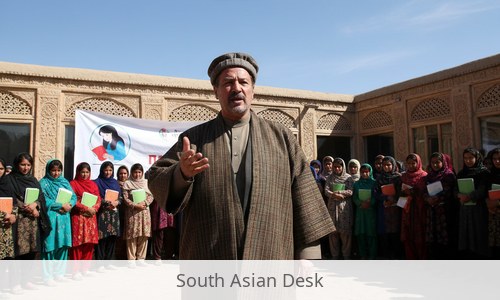
According to the WFP, the donation will support assistance for about 24,500 vulnerable women and children across Afghanistan over the next 12 months. The agency welcomed the funding as a timely intervention at a moment when Afghanistan faces a deepening hunger and malnutrition crisis that has strained the capacity of humanitarian organizations operating in the country. South Korea has been a consistent contributor to WFP operations in Afghanistan over recent years, and this latest pledge adds to a broader pattern of support from Seoul aimed at addressing food insecurity among the country’s most at risk populations.
The contribution arrives at a time when the scale of need across Afghanistan has grown substantially. WFP estimates that 17.4 million people in the country require urgent food assistance, a figure that reflects the compounding effects of conflict, unemployment, drought, and reduced humanitarian funding from major donors. Of particular concern is the situation facing children and mothers, with the agency projecting that 4.9 million women and children will need treatment for malnutrition in 2026 alone.
Afghanistan Malnutrition Crisis Widens
The Afghanistan malnutrition crisis has intensified sharply over the past year, with WFP warning that severe funding shortages are forcing it to scale back life-saving food and nutrition programmes even as needs continue to rise. In August, the agency reported that nearly 3.7 million children and 1.2 million pregnant and breastfeeding women were projected to suffer from acute malnutrition this year, figures that mark some of the highest levels recorded since the organization began tracking the crisis.
Twelve provinces have reached what the WFP classifies as critical levels of acute child malnutrition, the highest number ever documented in the country. Humanitarian officials have attributed the surge to a combination of factors, including persistent drought, large scale returns of Afghan migrants from Pakistan and Iran, elevated food prices, and a steep decline in international donor support. The distribution of specialized nutritious foods intended to prevent malnutrition and stunting was halted completely in mid-2025 due to funding gaps, a suspension that officials say has had lasting consequences for children already at risk.
Broader Funding Challenges Facing WFP
The South Korean contribution comes against the backdrop of a wider funding crisis affecting WFP’s operations across Afghanistan. The agency has said its emergency food assistance and nutrition programmes for 2026 require approximately 900 million dollars, a target that remains far from being met. Officials have repeatedly stressed that without additional funding before the onset of winter, the agency will be unable to prevent further deterioration in the nutritional status of Afghanistan’s most vulnerable populations.
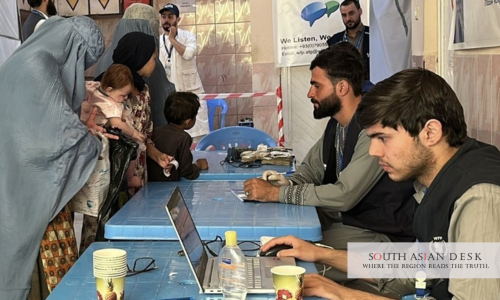
WFP leadership has been vocal about the human cost of these funding gaps. The agency has previously noted that it is only able to reach a fraction of malnourished women and children who require treatment, with many being turned away from clinics due to a lack of resources. This has raised alarm among aid workers, who warn that untreated malnutrition among children can lead to long term developmental harm and, in severe cases, death, particularly during the harsh winter months when access to food and healthcare becomes more difficult across much of the country.
Context of International Support
South Korea’s latest pledge reflects a continuation of its role as one of the more reliable donors to humanitarian operations in Afghanistan. Over recent years, contributions from Seoul have supported a range of WFP activities, including emergency food distribution, nutritional support for mothers and children, school feeding programmes, and livelihood initiatives designed to build longer term resilience in vulnerable communities.
As the Afghanistan malnutrition crisis continues to draw international attention, aid organizations have urged other donor governments to follow similar examples and increase their contributions before the situation worsens further. With winter approaching and humanitarian needs continuing to climb, the WFP has indicated that sustained and predictable funding will be essential to prevent further loss of life among Afghanistan’s women and children in the months ahead.
Published in SouthAsianDesk, August 24th, 2026
Follow SouthAsianDesk on X, Instagram and Facebook for insights on business and current affairs from across South Asia.