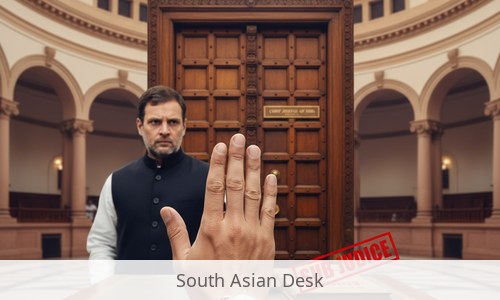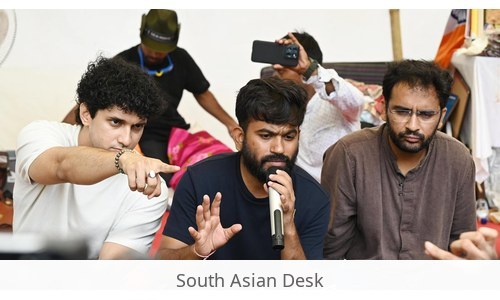
CJP protest Delhi: On August 24, 2026, the Chief Justice Party (CJP) announced a protest march scheduled for September 5 at India Gate in Delhi, citing unfulfilled promises by the central government. Separately, National Security Advisor Ajit Doval arrived in Beijing on the same day for cross-border diplomatic discussions, according to reports from The Hindu and The Indian Express.
CJP protest Delhi: CJP’s Protest and Its Political Implications
The CJP protest Delhi reflects growing public scrutiny of government commitments, particularly regarding judicial reforms and electoral promises. The party claims the central government has failed to deliver on key pledges made during the 2024 general elections, including promises to expedite judicial appointments, reduce case backlogs, and implement digital infrastructure for legal proceedings. The protest is expected to draw significant participation from legal professionals, civil society groups, and opposition supporters, though authorities have not yet confirmed specific security arrangements.
The timing of the CJP protest Delhi—just weeks before the monsoon session of Parliament—may pressure lawmakers to address pending legislative reforms. Historically, such demonstrations have coincided with heightened political activity, often leading to public debates on policy priorities. For instance, similar protests in 2023 over delayed judicial appointments prompted the government to fast-track the National Judicial Appointments Commission (NJAC) bill, though it was later withdrawn amid controversy. Analysts suggest that the CJP’s demands could reignite discussions on judicial independence and institutional accountability, particularly as the party frames its grievances as a broader critique of executive overreach in governance.
The CJP, a relatively new political entity formed in 2022, has positioned itself as a watchdog for legal and institutional reforms. Its leadership has previously criticized the government for delaying the implementation of the Legal Services Authorities Act amendments, which aimed to expand free legal aid to marginalized communities. The party’s focus on unfulfilled promises aligns with its broader platform of holding public officials accountable for electoral commitments, a theme that has gained traction amid rising public discontent with perceived political inertia.
Ajit Doval’s Talks in Beijing
Ajit Doval’s visit to Beijing underscores India’s continued focus on bilateral relations with China, particularly in the context of border disputes and regional trade. The talks are expected to cover confidence-building measures, economic cooperation, and the implementation of existing agreements such as the 2021 disengagement protocols. These protocols, signed after the 2020 Galwan Valley clash, aimed to de-escalate tensions along the Line of Actual Control (LAC) and establish mechanisms for regular dialogue between military and diplomatic officials.
Diplomatic sources indicate that the discussions may also touch on regional security frameworks, including India’s engagement with the Quad and its alignment with ASEAN. The Quad, comprising India, the United States, Japan, and Australia, has been a cornerstone of India’s strategic pivot toward a more assertive foreign policy in the Indo-Pacific. However, balancing Quad objectives with China’s economic influence in South Asia remains a delicate task. India’s participation in ASEAN forums, such as the Regional Comprehensive Economic Partnership (RCEP), further complicates its diplomatic calculus, as it seeks to avoid alienating Beijing while strengthening ties with regional partners.
The visit comes amid renewed concerns over China’s infrastructure projects in Nepal and Bhutan, which India views as potential security threats. While no official outcomes have been disclosed, the meeting aligns with periodic high-level dialogues aimed at stabilizing Sino-Indian relations. Previous summits, such as the 2023 Wuhan talks, have emphasized the need for “peaceful coexistence” and “mutual respect,” though concrete progress on border disputes remains elusive.
Context and Regional Dynamics
The CJP protest Delhi and Doval’s diplomatic mission highlight intersecting challenges in India’s domestic and foreign policy landscapes. Domestically, the protest underscores the growing role of civil society in holding governments accountable for electoral promises—a trend that has gained momentum since the 2024 elections, when voter turnout reached a decade-high. Internationally, India’s engagement with China reflects its broader strategy of balancing economic interdependence with strategic autonomy, particularly as it navigates competing interests in the Indo-Pacific.
The CJP protest Delhi also raises questions about the effectiveness of India’s judicial system, which has long faced criticism for delays and inefficiencies. According to the National Judicial Data Grid, as of 2025, over 40 million cases were pending in Indian courts, a figure that has grown despite repeated government assurances of reform. The CJP’s focus on this issue resonates with a public increasingly aware of systemic challenges, though the government has yet to provide a detailed roadmap for addressing these concerns.
Meanwhile, Doval’s Beijing visit signals India’s commitment to maintaining open channels of communication with China, even as tensions persist. The National Security Advisor’s role as the principal advisor on foreign and security policy makes him a key figure in shaping India’s response to regional challenges. His engagement with Chinese counterparts is likely to emphasize the importance of “pragmatic cooperation” on trade and climate issues, while reaffirming India’s stance on border disputes.
The India political landscape is increasingly shaped by such dual pressures: domestic accountability demands and the complexities of cross-border diplomacy. The result serves as a focal point for these tensions, while Ajit Doval’s Beijing talks underscore the delicate balance required in managing South Asia news and regional stability.
Follow SouthAsianDesk on X, Instagram and Facebook for insights on business and current affairs from across South Asia.
Sources
- Top news of the day: CJP announces protest march over unfulfilled promises; Ajit Doval arrives in Beijing for cross-border talks, and more – thehindu.com
- CJP announces Sept 5 Delhi march over Centre’s ‘unfulfilled’ promises – indianexpress.com
Image: th-i.thgim.com