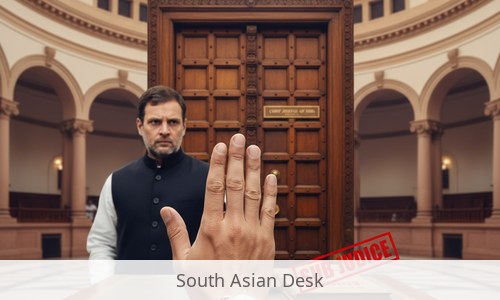
Allegations of fragrance price collusion have placed three of the world’s largest scent and flavour manufacturers under fresh scrutiny in India, according to a confidential regulatory document seen by Reuters. The Competition Commission of India is examining whether Givaudan, DSM-Firmenich and International Flavors & Fragrances coordinated pricing in the country’s fast-growing fragrance industry, adding a new front to an already expanding set of investigations into the sector.
The case marks a significant escalation of regulatory attention on an industry that supplies the scent compounds used in everything from perfumes and cosmetics to household cleaning products and packaged food.
Competition Commission of India Opens New Cartel Case
According to the document, the Competition Commission of India issued an order on July 22 describing the matter as involving alleged cartelisation in the Indian fragrance industry. Reuters reported that the conduct under review dates back to 2024, positioning this as a separate and more recent case than an earlier labour-focused investigation already underway against the same three companies.
The Competition Commission of India has not made details of the case public, in keeping with its usual practice while investigations remain active. Neither the regulator nor Givaudan responded to requests for comment on the matter.
Details Behind the Alleged Fragrance Price Collusion
The fragrance price collusion inquiry is still at an early and confidential stage, and no findings have been made public. Reuters reported that investigators at the watchdog had prepared a findings report as far back as February, but that the report was recalled in July after Givaudan and IFF raised concerns that commercially sensitive information had not been adequately redacted. As a result, the report must now be rewritten, a setback that could further extend a case that has already been running for roughly two years.
DSM-Firmenich, formed through the 2023 merger of Dutch specialty chemicals group DSM with Firmenich, declined to comment on the matter. IFF said in a statement that it was fully cooperating with the Competition Commission of India’s requests for information and would continue to engage constructively in the legal process.
A Separate Anti-Poaching Investigation Adds Pressure
The pricing case sits alongside a distinct anti-poaching investigation involving the same three firms, one that lawyers say could be the first Indian cartel case built around labour practices rather than pricing alone. That inquiry, which the watchdog opened after a company came forward under its leniency programme, examined at least 30 emails and found merit in claims that the companies had maintained what was described internally as a gentlemen’s agreement not to hire or poach staff from rivals or customers, whether in India or globally. According to the regulator’s findings, such coordination is said to have taken place since 2002 and may still be ongoing.
Taken together, the two cases suggest Indian authorities are examining both how fragrance makers set prices and how they manage their workforce, a combination that could carry significant reputational and financial consequences if either investigation results in adverse findings.
Global Scrutiny and What Comes Next
India’s inquiry does not stand in isolation. Swiss and British regulators opened their own investigations into Givaudan, Firmenich and IFF in 2023, while the European Commission has said it is examining possible collusion in the supply of fragrances and fragrance ingredients, though it has not yet named specific targets. The companies involved have consistently stated that they are cooperating with regulators across these various jurisdictions.
The stakes in India are considerable given the pace of growth in the domestic market. Industry researcher Grand View Research projects that India’s flavours and fragrances market will roughly double in size, from about $2.5 billion in 2024 to nearly $5 billion by 2033, a trajectory that helps explain why regulators are paying closer attention to how pricing and hiring practices are conducted in the sector. With the Competition Commission of India’s findings report now due to be rewritten, a formal conclusion to the fragrance price collusion case is unlikely in the near term, leaving the companies involved under continued scrutiny both at home and abroad.
Published in SouthAsianDesk, August 26th, 2026
Follow SouthAsianDesk on X, Instagram and Facebook for insights on business and current affairs from across South Asia.