Indian oil companies avoid Iran blacklist: At least three Indian oil companies are set to avoid vessels listed on Iran’s new blacklist, a move that highlights ongoing geopolitical tensions in South Asia.
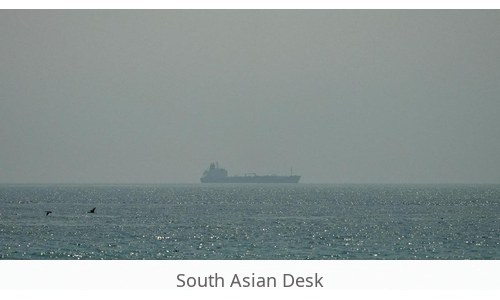
The Hindu reports that this decision reflects broader concerns about maritime security and trade disruptions in the Strait of Hormuz, a critical chokepoint for global oil shipments. Iran has blacklisted 45 ships, including those from India and Pakistan, for alleged violations in the Strait of Hormuz, according to NDTV. The inclusion of vessels owned or chartered by Gulf Cooperation Council (GCC) entities such as Saudi Aramco and Abu Dhabi National Oil Co (ADNOC) further complicates the regional dynamics, underscoring the interconnectedness of shipping routes in the Middle East and oil trade dynamics.
Indian oil companies avoid Iran blacklist: Economic Impact on Indian Oil Companies
The avoidance of blacklisted vessels by Indian oil companies may necessitate adjustments in operational strategies, including rerouting shipments or securing alternative shipping partnerships. Such measures could increase logistical complexity and raise costs for companies reliant on the Strait of Hormuz for transit. Shipping analysts note that insurance premiums for vessels operating in the region may also rise due to heightened risks of sanctions or geopolitical incidents.
For Indian firms, which depend heavily on the Strait for oil imports, this could translate into higher operational expenses and potential delays in supply chains. The Indian Oil Corporation (IOC), Hindustan Petroleum Corporation Limited (HPCL), and Bharat Petroleum Corporation Limited (BPCL)—major players in the sector—have not publicly detailed their contingency plans, but industry insiders suggest they are exploring routes through the Suez Canal or the Cape of Good Hope to mitigate risks. These alternatives, however, involve longer transit times and increased fuel consumption, which could further strain profit margins.
Geopolitical Implications
Iran’s blacklist underscores the fragility of maritime trade routes in the Middle East and the broader implications for South Asian energy security. The inclusion of Indian and Pakistani ships in the list signals a potential escalation in tensions between Iran and regional players.
While India has historically maintained a balanced approach to Iran, this development may prompt renewed diplomatic engagement to de-escalate hostilities. The move also raises questions about the role of Gulf Cooperation Council (GCC) nations, such as Saudi Arabia and the UAE, whose vessels are also blacklisted, in mediating regional disputes. Analysts suggest that the GCC’s dual role as both energy exporters and regional security partners could lead to increased coordination with South Asian nations to stabilize trade corridors. India’s strategic partnerships with Gulf states, particularly in energy and defense, may now be tested as both sides navigate the implications of Iran’s actions.
Shipping Routes and Insurance Costs
The Strait of Hormuz, through which approximately 20% of the world’s oil passes, remains a focal point of geopolitical risk. The blacklist could force shipping companies to diversify routes, potentially increasing transit times and fuel consumption. Insurance providers are likely to reassess risk profiles for vessels operating in the region, with premium hikes expected for those navigating near Iranian territorial waters.
This development may also encourage greater collaboration between South Asian and Gulf nations to establish alternative transit corridors or enhance maritime security protocols. For instance, the proposed India-Middle East-Europe Economic Corridor (IMEC) could gain renewed urgency as a long-term solution to reduce reliance on the Strait of Hormuz. However, such initiatives require significant infrastructure investment and cross-border coordination, which may take years to materialize.
Regional Energy Dynamics and Diplomacy
The blacklisting of Indian and Gulf vessels by Iran highlights the delicate balance of power in the region. India’s energy imports from the Middle East account for over 80% of its crude oil needs, with Iran historically being a key supplier. However, shifting geopolitical alliances and sanctions have reduced India’s reliance on Iranian oil in recent years.
This development may further accelerate India’s pivot toward alternative suppliers, such as the United Arab Emirates and Iraq, while also deepening its strategic ties with the United States and other Western partners. Diplomatic channels, including bilateral talks between India and Iran, are expected to address the immediate concerns of trade disruptions while also exploring long-term solutions to ensure energy security. The involvement of international bodies such as the International Maritime Organization (IMO) in mediating disputes could also play a role in stabilizing the situation.
Follow SouthAsianDesk on X, Instagram and Facebook for insights on business and current affairs from across South Asia.
This report focuses on Indian oil companies avoid Iran blacklist and the verified developments surrounding it.
Sources
- At least three Indian oil companies plan to avoid ships on Iran’s new blacklist: report – thehindu.com
- Iran Blacklists Indian, Pakistani Ships Among 45 For Hormuz “Violations” – ndtv.com
Image: th-i.thgim.com