India’s biofuel push is gathering fresh momentum as the government moves to shield the economy from mounting crude oil supply risks linked to instability in West Asia and shifting patterns in global energy trade. As the world’s third largest importer and consumer of crude, India has long depended on overseas supplies for roughly four fifths of its oil needs, a reliance that leaves it exposed whenever tensions in the Gulf region threaten shipping routes or push prices higher. With the Strait of Hormuz, a passage that carries about a fifth of the world’s seaborne oil, once again at the centre of geopolitical concern, officials in New Delhi are looking to biofuels as a practical way to reduce that exposure.
Crude Oil Supply Risks Push New Delhi to Act
The renewed urgency behind India’s energy strategy is directly tied to the crude oil supply risks that have resurfaced this year. Prolonged conflict in the Middle East has, at various points, disrupted tanker movements and driven crude prices closer to the 100 dollar a barrel mark, according to industry officials who have spoken publicly on the issue. For a country that imports the bulk of its crude, even modest price swings translate into a heavier import bill and added pressure on the rupee. Union ministers have repeatedly pointed to this vulnerability as the reason biofuels, ethanol in particular, deserve a larger place in the country’s fuel mix.
India’s Biofuel Push Builds on a Decade of Ethanol Gains
India’s biofuel push is not a sudden reaction to the present crisis. It builds on more than ten years of steady policy work under the Ethanol Blended Petrol programme, which has lifted the average ethanol blending rate from roughly 1.5 percent in 2014 to close to 19 percent by 2025. The government has credited this expansion with saving over a trillion rupees in foreign exchange and cutting tens of millions of tonnes of carbon emissions over the past decade. What began as a scheme built around surplus sugar has since diversified, with grain based feedstocks such as maize and, at times, surplus rice now supplying a larger share of ethanol than sugarcane itself.
Ethanol Blending Programme Moves Beyond E20
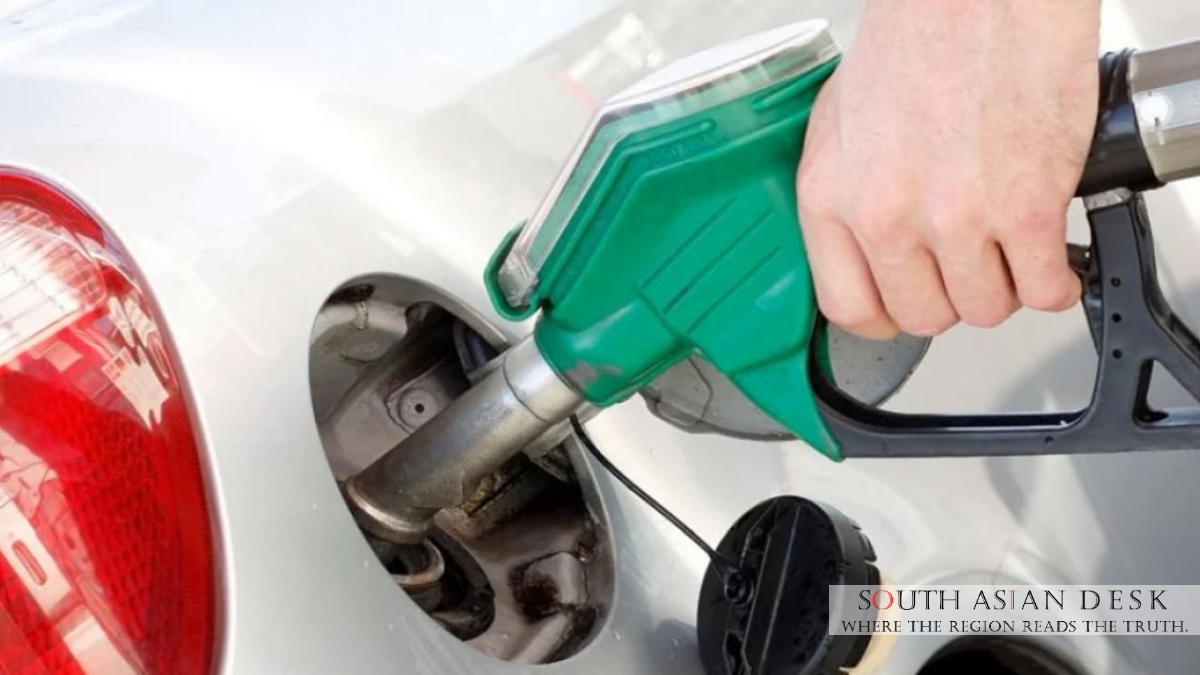
Having reached the 20 percent blending target, known as E20, ahead of its original 2030 deadline, the ethanol blending programme is now being examined for further expansion. Officials at NITI Aayog and the road transport ministry have indicated that higher blends such as E85 and E100 are under active consideration, alongside a draft notification that would formally recognise E100 as an approved automotive fuel. Several carmakers have already introduced flex fuel vehicles capable of running on higher ethanol ratios, though wider adoption will depend on consumer confidence and the availability of compatible engines across the existing vehicle fleet.
Policy Support Behind the Ethanol Blending Programme
A cluster of government schemes underpins this expansion. The National Biofuels Policy, amended in 2022, widened the list of permitted feedstocks to include sugarcane juice, sugar beet, damaged food grains and surplus rice, giving distillers more flexibility when raw material supplies tighten. The Pradhan Mantri JI-VAN Yojana supports second generation ethanol produced from crop residue and other cellulosic material, while the GOBARdhan scheme encourages the production of compressed biogas from cattle dung and organic waste, an area officials say has lagged behind ethanol and now needs faster investment. Together, these programmes are meant to broaden the biofuel base beyond ethanol alone and reduce the country’s reliance on a single feedstock or fuel type.
Challenges That Could Slow India’s Biofuel Push
Even so, India’s biofuel push faces real constraints. Sugarcane and grain supplies are finite, and diverting larger volumes toward ethanol production competes with food and export demand, a tension that has already drawn scrutiny from researchers tracking land use changes linked to the ethanol programme. Higher ethanol blends have also drawn complaints from some vehicle owners over reduced fuel efficiency and, in at least one widely reported case, a consumer court ruling against a carmaker over alleged engine damage. Government officials maintain that such issues stem largely from misinformation or from ageing vehicles not designed for higher blends, but the debate underscores the practical hurdles that remain before ethanol can move meaningfully past the E20 stage.
The Road Ahead
None of these challenges appear likely to slow the broader direction of policy. With crude oil supply risks showing few signs of easing and the government keen to protect its energy security ambitions ahead of its 2047 development goals, biofuels are expected to remain a central plank of India’s energy strategy. Whether through higher ethanol blends, expanded compressed biogas capacity or new investment in second generation fuels, the coming years are likely to test how far India can stretch domestic feedstocks without compromising food security, even as the case for reducing dependence on imported crude grows stronger by the month.
Published in SouthAsianDesk, September 10th, 2026
Follow SouthAsianDesk on X, Instagram and Facebook for insights on business and current affairs from across South Asia.