Nepal’s climate justice pitch to the world’s wealthier nations and global lending agencies is set to move into a new phase this week, as officials in Kathmandu argue that the country’s five billion dollar rebuilding need should be treated as a matter of shared responsibility rather than routine disaster relief. Flood-hit Nepal will formally ask donor countries and institutions for financial help, contending that the scale of the destruction shows how climate change has hit a country that did little to cause it.
Why Nepal’s Climate Justice Pitch Targets Wealthy Nations
Nepal’s initial estimate covers only the first phase of recovery over the next five months, and officials plan to share it with the World Bank and the Asian Development Bank, along with the embassies of countries and blocs including the United States, Britain, India, China, Japan and the European Union. By framing the request around climate justice rather than aid or charity, Nepalese officials are seeking to shift the conversation from what wealthier nations might choose to give toward what they say those nations owe, given their outsized historical contribution to global greenhouse gas emissions.
The Himalayan Glacier Collapse Behind the Disaster
The disaster that prompted Nepal’s climate justice pitch began in late August, when the collapse of a Himalayan glacier sent a torrent of water and debris crashing into the valleys below. The devastation struck Nepal’s Rasuwa and Nuwakot districts particularly hard before extending into China’s Tibet region. As of this week, at least 1,300 people have been confirmed dead and more than 5,300 remain missing across Nepal and Tibet, figures that authorities caution could still change as search operations continue in difficult mountain terrain.
Scale of the Damage and the Case for Flood Aid
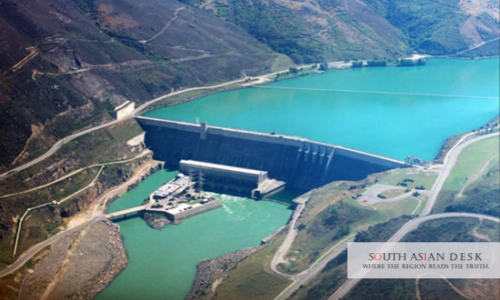
The case for international flood aid rests heavily on the scale of physical destruction left behind. The torrent swept away more than a dozen hydropower plants, along with cross-border trade routes, roads, bridges and homes, in a country where hydropower and tourism form a significant share of the economy. One official described the scale of the damage bluntly, saying it was not merely a flood-induced disaster but a massive one driven by climate change. That framing runs through Nepal’s entire outreach effort, positioning the destruction not as an isolated natural event but as a consequence of a warming climate that Nepal, a small emitter of greenhouse gases, had little hand in creating.
Framing Climate Change as a Shared Responsibility
Nepalese officials have publicly described the disaster as a clear example of how climate change disproportionately harms poorer countries, and they are asking global agencies and donor governments to recognise the event on those terms and accept a share of accountability for it. Nepal’s Foreign Minister, Shisir Khanal, put the argument in stark terms last week, saying the country was paying the ultimate price for a global crisis it did not create, and that support for Nepal should be understood as a matter of responsibility rather than charity. That distinction matters for how any eventual funding is structured, since climate-linked finance often carries different terms and expectations than traditional disaster aid.
Where the Money Would Go
The five billion dollar figure Nepal is presenting this week is intended to cover only the earliest stage of rebuilding, meaning the true cost of recovery is likely to grow as engineers assess the full extent of the damage to hydropower infrastructure, roads and bridges. Restoring cross-border trade routes will be a particular priority, given how much of the affected infrastructure served as a link between Nepal and neighbouring regions. Officials have indicated that later phases of funding requests will follow once the initial recovery period, covering the next five months, gives a clearer picture of longer-term needs.
What Comes Next for Nepal’s Climate Justice Pitch
With the appeal now heading to major lenders and a wide range of foreign embassies, Nepal’s climate justice pitch will test how far the international community is willing to go in treating a natural disaster as a matter of collective responsibility rather than discretionary generosity. How the World Bank, the Asian Development Bank and the governments Nepal is approaching this week choose to respond may shape not only the pace of Nepal’s recovery, but also how future climate-driven disasters in similarly vulnerable countries are framed and funded going forward.
Published in SouthAsianDesk, September 10th, 2026
Follow SouthAsianDesk on X, Instagram and Facebook for insights on business and current affairs from across South Asia.