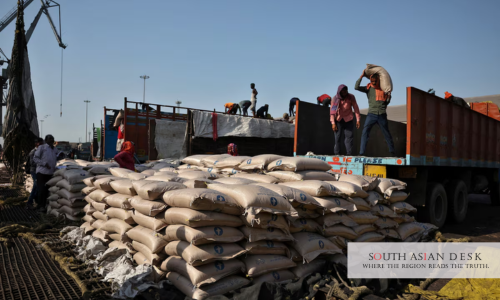
India’s sugar refiners are preparing to release around 250,000 tonnes of white sugar into the domestic market, a move industry officials say will add fresh supply ahead of the peak festival season. Shree Renuka Sugars, which describes itself as the country’s largest sugar refiner, said on Wednesday that refiners have offered to sell approximately 2.5 lakh tonnes of sugar processed under the government’s Advance Licensing Scheme within India, rather than sending it abroad as originally planned.
Why India’s Sugar Refiners Are Diverting Stock to the Domestic Market
The announcement, made by Shree Renuka Sugars Managing Director and Chief Executive Susheel Kumar on the sidelines of an event organised by the Indian Sugar and Bio-energy Manufacturers Association, follows a government directive last month instructing refiners to keep this sugar at home instead of exporting it. India’s sugar refiners had originally intended to sell the processed sugar overseas, in line with the usual terms of the scheme under which it was imported, but the government intervened as domestic supplies tightened and prices climbed toward record levels.
How the Advance Licensing Scheme Sugar Ends Up at Home
Under the Advance Licensing Scheme, a small number of standalone port-based refineries are allowed to import raw sugar duty-free, refine it into white sugar and typically export the finished product. India currently has two such refineries, including Shree Renuka Sugars, which operates plants at Kandla in Gujarat and Haldia in West Bengal with a combined refining capacity of about 1.7 million tonnes a year. Ordinarily, sugar produced this way would leave the country once refined, but the government’s decision to redirect it toward domestic buyers has effectively turned a portion of India’s export pipeline into an additional source of local supply.
Domestic Sugar Prices Have Already Started to Ease
Kumar said the government’s intervention has already helped bring prices down. Domestic ex-mill sugar prices are currently trading at around 43 to 44 rupees a kilogram, below the estimated 50 rupee landing cost of imported sugar, making the diverted stock commercially attractive for buyers within India. That marks a significant retreat from the record highs reached in the weeks before the government stepped in, when ex-mill prices briefly touched around 67 rupees a kilogram amid tight supplies and heavy festive season buying.
Duty-Free Sugar Imports Add a Second Layer of Relief
The diversion of Advance Licensing Scheme sugar is only one part of the government’s response. Authorities have also permitted duty-free imports of up to 1 million tonnes of raw sugar until the end of October, a measure intended to strengthen domestic availability further as festival demand for sweets and confectionery rises. Industry officials have suggested actual duty-free imports may fall short of the full quota, since the sharp drop in domestic prices since the announcement has narrowed the margin that made importing attractive in the first place. Even so, the combination of diverted refinery stock and the option to import duty-free sugar gives the market two separate levers to draw on if supplies tighten again.
A Tighter Crop Behind the Price Spike
The pressure on prices this year traces back to a smaller than expected sugarcane crop, after patchy rainfall and disease affected output in key growing regions. The government’s production estimate for the 2025 to 2026 marketing year has since been revised down, and India’s annual sugar consumption is estimated to run at roughly 280 to 285 lakh tonnes. Not every industry voice agrees that the situation amounts to a genuine shortage. The Indian Sugar Mills Association has argued that this year’s price surge owed more to panic buying than to any underlying supply gap, even as the government moved to add stock to the market as a precaution.
What India’s Sugar Refiners’ Move Means Ahead of the Festival Season
With India’s sugar refiners now committing to keep a meaningful volume of Advance Licensing Scheme sugar at home, and with the new sugarcane crushing season set to begin in mid-October, the near-term supply picture looks considerably easier than it did just a few weeks ago. The government has already asked mills to bring forward the start of crushing to boost fresh output, which should add further supply on top of the diverted refinery stock and any duty-free imports that do arrive. For now, the combined effect of these measures appears to have taken the edge off a price spike that had unsettled households and traders alike in the run up to the festival season.
Published in SouthAsianDesk, September 10th, 2026
Follow SouthAsianDesk on X, Instagram and Facebook for insights on business and current affairs from across South Asia.