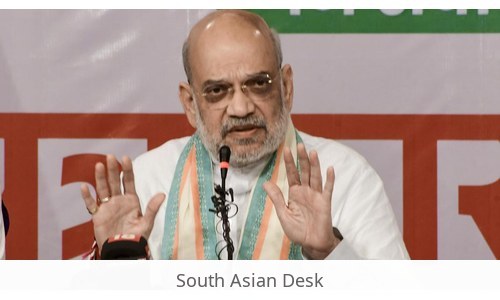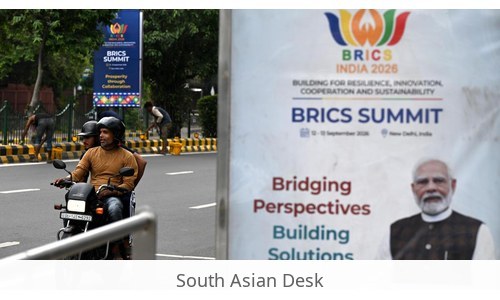
BRICS cooperation has seen five commitments aimed at strengthening member countries’ collaboration, with implications for the Global South and South Asia geopolitics. On September 13, 2026, The Hindu reported that BRICS nations have made these commitments to enhance financial cooperation, digital infrastructure, and multilateral diplomacy, offering opportunities for Global South empowerment and reshaping regional alliances.
BRICS cooperation: Impact on South Asian Geopolitics
The BRICS alliance—comprising Brazil, Russia, India, China, and South Africa—has positioned itself as a counterbalance to Western-dominated global institutions. These commitments, which include enhancing financial cooperation, digital infrastructure, and multilateral diplomacy, could reshape regional alliances. For India, a BRICS member since 2017, the framework offers opportunities to balance its strategic ties with both Western and non-Western powers. However, the extent to which BRICS can influence South Asia geopolitics depends on the alignment of national interests with collective goals.
The geopolitical landscape of South Asia is characterized by complex relationships, with India maintaining a strategic partnership with the United States while also deepening economic and defense ties with China and Russia. BRICS provides a platform for India to engage with other emerging economies, potentially reducing its reliance on Western institutions such as the International Monetary Fund (IMF) and World Bank. This shift could have significant implications for regional power structures, particularly in the context of India’s growing influence in South Asia and its role in multilateral forums like the South Asian Association for Regional Cooperation (SAARC).
The inclusion of South Africa in BRICS adds another layer of complexity, as it brings African perspectives into the alliance. This could influence regional policies on trade, investment, and development, particularly in sectors such as agriculture and technology. The alignment of interests among BRICS members, however, remains a challenge, as each nation has distinct priorities and strategic objectives.
Economic Implications for Regional Trade
BRICS cooperation’s economic initiatives emphasize boosting trade and investment among member states, which could benefit South Asian economies. India, for instance, has sought to leverage BRICS to diversify its trade partnerships and reduce reliance on traditional markets. Yet challenges persist, including infrastructure gaps, regulatory harmonization, and geopolitical tensions. The success of these economic initiatives will hinge on sustained policy coordination and addressing structural barriers.
India’s economic strategy within BRICS involves expanding trade routes and enhancing connectivity with other member states. The development of digital infrastructure, a key commitment of BRICS cooperation, could facilitate cross-border e-commerce and financial transactions, thereby reducing transaction costs and improving trade efficiency. However, the lack of standardized regulatory frameworks across BRICS nations may hinder seamless integration of markets.
The potential for increased investment from BRICS countries could also stimulate economic growth in South Asia. For example, Chinese investments in infrastructure projects under the Belt and Road Initiative (BRI) have already impacted regional trade relations. Similarly, Russian investments in energy sectors could provide alternative energy sources for South Asian countries, reducing their dependence on traditional suppliers.
Despite these opportunities, the economic integration of BRICS nations faces several challenges. Infrastructure gaps, particularly in countries like South Africa and India, could limit the effectiveness of trade agreements. Additionally, geopolitical tensions, such as those between India and Pakistan, may complicate regional trade relations. The need for harmonized policies and regulatory frameworks remains critical to realizing the full potential of BRICS cooperation in regional trade relations.
Conclusion
BRICS cooperation represents a significant shift in global governance, with potential to empower the Global South. For South Asia, the alliance offers both opportunities and complexities. Regional stakeholders must engage proactively to harness BRICS’ potential while navigating competing priorities.
The evolving dynamics of BRICS cooperation will likely have far-reaching implications for South Asia geopolitics and economic policies in South Asia. As member states continue to refine their collaborative strategies, the role of BRICS in shaping a more inclusive and equitable global order will become increasingly evident.
Follow SouthAsianDesk on X, Instagram and Facebook for insights on business and current affairs from across South Asia.
Sources
- Harnessing BRICS ‘POWER’ to empower the world – thehindu.com
- Opinion: Opinion | India And Russia Go From Resilience To Leverage – ndtv.com
Image: th-i.thgim.com