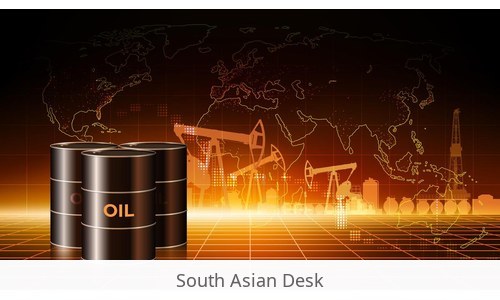
India oil imports from Russia have surged, with Russia supplying over half of India’s oil imports in July 2026, as the U.S. House of Representatives considers imposing tariffs of up to 100% on countries importing Russian oil, as reported by The Hindu. This development underscores the growing reliance on Russian oil and the potential geopolitical tensions arising from U.S. tariffs on Russian oil.
India oil imports from Russia: Impact of U.S. Tariffs on India’s Energy Policy
India has expressed its determination to protect its trade and economic interests in light of the new U.S. tariffs, as stated by Al Jazeera. The proposed measures could force India to reassess its energy strategy, which has increasingly relied on Russian oil amid global supply chain disruptions. Analysts note that diversifying oil imports may become a priority, though such shifts would require time and infrastructure adjustments. The Russian oil impact on India is significant, with energy policy India now facing pressure to balance economic needs against international sanctions.
India’s Diplomatic Relations with the U.S.
The tariffs raise concerns about India’s diplomatic stance amidst U.S. pressure. While New Delhi has maintained a strategic balance between its energy needs and international relations, the proposed measures could test this equilibrium. India’s foreign policy has historically emphasized non-alignment, but the situation underscores the growing complexity of managing bilateral ties with major global powers. The interplay between India U.S. relations and energy security is a critical factor in shaping regional dynamics.
Broader Implications for South Asia Energy Security
The U.S. sanctions could ripple through South Asian economies reliant on oil imports, particularly Pakistan and Bangladesh. Regional energy markets may face volatility as countries seek alternative suppliers. The geopolitical landscape in South Asia, already shaped by cross-border energy projects and trade corridors, could see further shifts in response to U.S. policy changes. South Asia energy security remains a pressing concern, with India’s reliance on Russian oil amplifying regional interdependencies.
Expanding on the Strategic Calculus
India’s energy policy India has long been shaped by a combination of economic pragmatism and geopolitical considerations. The shift toward Russian oil imports, while economically advantageous, has not come without risks. The U.S. tariffs on Russian oil, if implemented, could disrupt this delicate balance. India’s energy security strategy must now account for both immediate economic benefits and long-term geopolitical consequences. This includes evaluating the potential for alternative energy partnerships, such as deepening ties with the Middle East or investing in renewable energy infrastructure.
Regional Energy Dynamics and Diplomacy
The Russian oil impact on India is not an isolated phenomenon. It reflects broader trends in global energy markets, where traditional suppliers are being challenged by emerging players. For South Asia, this shift has implications for regional energy security. Countries like Pakistan and Bangladesh, which also rely on oil imports, may find themselves in a similar position, prompting a reevaluation of their energy policies. The interplay between India U.S. relations and regional energy dynamics will likely shape the future of South Asia’s energy landscape.
Long-Term Considerations for India’s Energy Strategy
As India navigates the complexities of U.S. tariffs on Russian oil, its energy policy India must evolve to ensure long-term stability. This includes diversifying import sources, investing in domestic energy production, and fostering international partnerships. The challenge lies in balancing immediate economic needs with the strategic imperative of energy security. The Russian oil impact on India serves as a reminder that energy policy is inextricably linked to geopolitical strategy.
Conclusion
The situation surrounding India oil imports from Russia highlights the intricate relationship between energy security, economic interests, and international relations. As the U.S. considers imposing tariffs on Russian oil, India must carefully navigate these challenges to protect its interests while maintaining its strategic autonomy. The broader implications for South Asia energy security underscore the need for a comprehensive and forward-looking energy policy.
Follow SouthAsianDesk on X, Instagram and Facebook for insights on business and current affairs from across South Asia.
Sources
- As U.S. readies 100% tariffs, Russia provided more than half of India’s oil imports in July – thehindu.com
- Opinion: Opinion | US Has Now Weaponised India’s Russia Oil Dependence. Can New Delhi Cope? – ndtv.com
- India warns new US tariffs over Russian oil could impact ties – aljazeera.com
Image: th-i.thgim.com