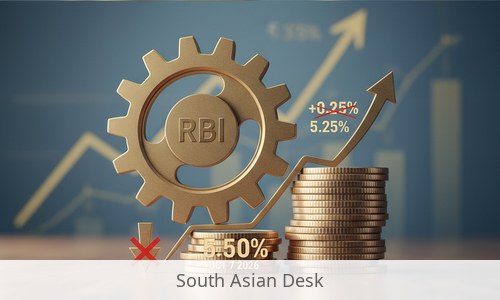
RBI repo rate hike: On October 7, 2026, the Reserve Bank of India (RBI) raised the repo rate by 25 basis points to 5.50%, marking its first rate hike in nearly three and a half years. The decision follows rising inflation pressures influenced by geopolitical tensions in West Asia, with the central bank revising its policy stance from “neutral” to “calibrated tightening”. Real GDP growth for FY27 is projected at 7.1%, according to The Hindu.
RBI repo rate hike: Impact on Consumer Borrowing
Higher repo rates typically lead to increased borrowing costs for consumers, as banks pass on the higher lending rates to borrowers. This could result in a potential slowdown in consumer spending, particularly for mortgages, personal loans, and auto financing. The RBI’s decision reflects a balance between curbing India inflation and maintaining economic recovery India, though the impact on household budgets remains a key concern for policymakers. Analysts warn that while the rate hike is necessary to control inflation, it may dampen demand in sectors reliant on credit, such as real estate and durable goods. Additionally, fixed-income investors may benefit from higher returns on savings, but this could come at the expense of liquidity in the financial system.
Geopolitical Influences
Ongoing conflicts in West Asia have contributed to inflationary pressures in India, affecting import prices and supply chain disruptions. The RBI’s shift to a “calibrated tightening” stance underscores the need to address these external pressures while managing domestic economic stability. Analysts note that the central bank is closely monitoring global developments, particularly energy prices and trade dynamics, which could influence future monetary policy India decisions. For instance, a prolonged conflict in the region could lead to higher oil prices, further straining India’s import bill and inflation outlook. The RBI’s decision to hike rates is also a response to the risk of imported inflation, which has been a persistent challenge for emerging markets.
Projected GDP Growth
Real GDP growth for FY27 is projected at 7.1%, a figure that highlights India’s resilience in the face of global uncertainties. This projection is crucial for sustaining economic recovery India post-pandemic and maintaining investor confidence. The RBI repo rate hike is a key component of the central bank’s monetary policy India to balance inflation and growth, though the effectiveness of this approach will depend on implementation and external factors. The 7.1% growth target assumes that the government’s fiscal policies, including infrastructure spending and tax reforms, will complement the RBI’s monetary tightening. However, challenges such as a slowdown in global demand for Indian exports and domestic consumption could pose risks to achieving this target.
Implications for Businesses and Markets
The RBI repo rate hike is likely to have a ripple effect across various sectors of the Indian economy. Businesses that rely heavily on credit, such as small and medium enterprises (SMEs), may face higher borrowing costs, which could constrain their expansion plans. On the other hand, sectors like banking and insurance may benefit from increased deposit inflows and higher interest margins. The stock market is also expected to react to the rate hike, with sectors sensitive to interest rates, such as real estate and consumer discretionary, potentially underperforming. Conversely, sectors like utilities and financials may see a boost due to higher yields on fixed-income instruments.
Long-Term Economic Outlook
While the RBI’s decision to raise the repo rate is aimed at curbing inflation, it also signals a cautious approach to economic recovery India. The central bank has emphasized the need for a “calibrated tightening” to avoid stifling growth while ensuring price stability. This approach aligns with the broader goal of maintaining a sustainable growth trajectory for the Indian economy. However, the success of this strategy will depend on how effectively the government and the RBI can coordinate their policies to address both inflation and growth challenges. Additionally, the global economic environment, including interest rate trends in advanced economies and trade relations, will play a critical role in shaping India’s economic outlook in the coming months.
Follow SouthAsianDesk on X, Instagram and Facebook for insights on business and current affairs from across South Asia.