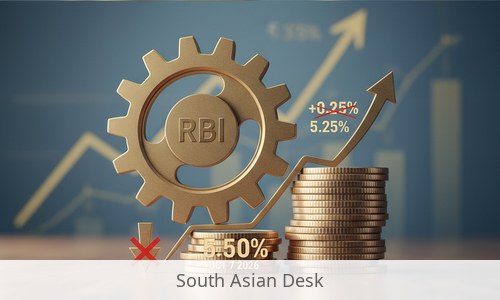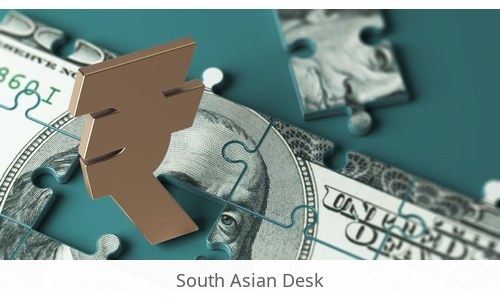
Sri Lankan Rupee depreciation has intensified on October 7, 2026, as the currency opened at 96.37 at the interbank foreign exchange market, falling to 96.57—a decline of 22 paise from its previous close, according to The Hindu. This continued weakening of the Rupee reflects broader Sri Lanka economic challenges, including persistent trade imbalances and pressure on currency stability in Sri Lanka. The US Dollar exchange rate has become a critical factor in shaping the nation’s economic outlook.
Sri Lankan Rupee depreciation: Economic Implications
The Sri Lankan Rupee depreciation has immediate effects on Sri Lanka’s trade dynamics. Higher import costs for essential goods, including fuel and raw materials, could exacerbate inflationary pressures. Local businesses reliant on imported inputs may face margin compression, while exporters could benefit from a weaker currency if global demand remains steady. However, the Central Bank’s recent monetary policy adjustments, including rate hikes, have not yet stabilized the currency.
The weakening Rupee also impacts purchasing power for Sri Lankan consumers. With the dollar becoming relatively stronger, imported goods and services—ranging from electronics to healthcare—will likely see price increases. This could further strain household budgets, particularly for middle-income families already grappling with rising living costs. The impact on trade is evident as Sri Lanka’s reliance on imports for critical sectors like energy and manufacturing grows.
Sri Lanka’s energy sector, for instance, depends heavily on imported crude oil, which accounts for a significant portion of the country’s import bill. A weaker Rupee increases the cost of these imports, potentially leading to higher electricity tariffs and fuel prices. Similarly, the manufacturing sector, which relies on imported raw materials, may face production cost inflation, reducing competitiveness in global markets. Analysts warn that without structural reforms, the depreciation could trigger a vicious cycle of inflation and reduced economic growth.
Government and Central Bank Responses
The Sri Lankan government and Central Bank have not yet announced specific measures to counter the Sri Lankan Rupee depreciation, though officials have acknowledged the need for fiscal discipline. The Central Bank’s recent decision to raise interest rates aimed at curbing inflation and stabilizing the currency, but these measures have not yet reversed the downward trend in the Rupee’s value.
Analysts suggest that structural reforms, including improving foreign exchange reserves and addressing trade imbalances, may be necessary to restore confidence in the currency. However, the absence of immediate policy interventions raises concerns about the long-term stability of the Rupee against major global currencies. The government response to currency depreciation remains a focal point for economic observers and policymakers alike.
The Central Bank’s monetary policy has been a double-edged sword. While rate hikes are intended to curb inflation by making borrowing more expensive, they also risk slowing economic activity. This has created a delicate balancing act for policymakers, who must weigh the need to stabilize the currency against the potential for reduced investment and consumer spending. The government has emphasized the importance of fiscal discipline, urging ministries to adhere to strict budgetary controls to prevent further depletion of foreign exchange reserves.
In the absence of a comprehensive strategy, some economists argue that Sri Lanka may need to explore alternative financing options, such as debt restructuring or attracting foreign direct investment. However, these measures require international cooperation and could take time to implement. The Central Bank has also been cautious about intervening directly in the foreign exchange market, fearing that such actions could deplete reserves and undermine confidence in the Rupee.
Conclusion
The depreciation of the Sri Lankan Rupee against the US Dollar underscores the complex economic challenges facing Sri Lanka. As the nation grapples with trade imbalances and currency instability, the need for coordinated policy responses becomes increasingly urgent. The coming months will be critical in determining whether Sri Lanka can stabilize its currency and restore economic confidence.
Follow SouthAsianDesk on X, Instagram and Facebook for insights on business and current affairs from across South Asia.
Sources
- Rupee weakens against US Dollar – dailymirror.lk
- Rupee falls 22 paise to 96.57 against U.S. dollar post RBI rate increase – thehindu.com
Image: th-i.thgim.com