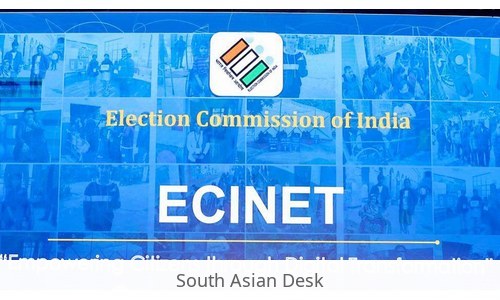
ECINET app security flaws were flagged to the Election Commission of India (ECI) and the Indian Computer Emergency Response Team (CERT-In) in July 2026, months before a recent controversy erupted over the app’s vulnerabilities. The disclosure, shared by former Union minister Jairam Ramesh, has raised questions about the integrity of India’s electoral processes ahead of the 2026 Indian elections.
ECINET app security flaws: Implications for Electoral Integrity
The ECINET app, designed to centralise voter registration, ballot distribution, and election monitoring, became a focal point of scrutiny after reports emerged of potential security weaknesses. Analysts warn that unaddressed flaws could compromise sensitive data, including voter rolls and ballot tracking systems. Cybersecurity experts stress that robust digital election management is essential for maintaining public trust in electoral outcomes. The ECINET app security flaws highlight a critical gap in the infrastructure supporting India’s democratic processes.
The app, launched as a unified platform for over 40 election-related applications and services, was intended to streamline electoral operations. However, the flagged vulnerabilities raise concerns about the potential for data breaches, unauthorized access, or manipulation of election data. Such risks could undermine the credibility of the Indian elections 2026, particularly as the country moves toward more digitised election processes. The centralisation of election data in a single platform, while efficient, also creates a single point of failure that could be exploited by malicious actors.
Response from Authorities
The Election Commission of India has not publicly detailed its response to the flagged vulnerabilities. CERT-In, India’s national cybersecurity agency, confirmed receipt of the report but declined to comment on the nature of the flaws. Critics argue that the ECINET app security flaws could undermine the credibility of the Indian elections 2026 if not resolved promptly. The lack of transparency has sparked calls for an independent audit of the app’s architecture, with some experts suggesting that the digital election management framework must be re-evaluated to prevent systemic risks.
The absence of a detailed response from the ECI has fueled speculation about the agency’s preparedness to address cybersecurity threats. While CERT-In’s role in handling such reports is standard, the lack of public information has led to concerns about the adequacy of the response. Experts recommend that the ECI adopt a proactive approach, including regular security audits and collaboration with independent cybersecurity firms to ensure the app’s resilience against potential threats.
Political Ramifications
The Congress party has accused the ruling BJP of designing the ECINET app to centralise control over election data from BJP headquarters. This claim, reported by The Hindu, has intensified political tensions ahead of the Indian elections 2026. While the ECI maintains its independence, the controversy underscores growing concerns about digital election management in electoral processes. Critics argue that the app’s architecture could enable undue influence over vote management systems. The Congress party allegations have further complicated the narrative around the ECINET app security flaws, with some observers suggesting that the timing of the controversy may be politically motivated.
The allegations have sparked a broader debate about the role of political parties in shaping electoral technology. While the ECI is constitutionally mandated to oversee elections independently, the centralisation of data in the ECINET app has raised questions about potential biases in its design and implementation. The Congress party’s claims, though unproven, have added a layer of political tension to an already sensitive issue, highlighting the intersection of technology, governance, and electoral integrity.
Broader Implications for Electoral Security
The issues have reignited debates about the role of CERT-In cybersecurity in safeguarding critical infrastructure. As India moves toward more digitised election processes, the need for rigorous security protocols has never been more urgent. The ECI’s reliance on a centralised platform like ECINET raises questions about redundancy, access controls, and the potential for data breaches. Cybersecurity experts warn that even minor vulnerabilities could be exploited by malicious actors, potentially altering election outcomes or eroding public confidence in the democratic process.
The controversy also highlights the importance of transparency in the development and maintenance of electoral technology. Public trust in the electoral process is contingent on the perception of fairness and security. Any perceived or actual vulnerabilities in the ECINET app could lead to widespread skepticism about the legitimacy of election results, particularly in a polarised political climate. The ECI must balance the efficiency of digital systems with the imperative to safeguard against cyber threats, ensuring that technological advancements do not compromise democratic principles.
Conclusion
The issues have exposed vulnerabilities in India’s electoral infrastructure, raising urgent questions about the balance between technological efficiency and cybersecurity. As the Indian elections 2026 approach, the need for transparency, accountability, and robust digital election management frameworks has become paramount. The ongoing controversy serves as a stark reminder that the integrity of democratic processes depends not only on the fairness of elections but also on the security of the systems that underpin them.
The situation underscores the necessity for a multi-stakeholder approach to electoral cybersecurity, involving the ECI, CERT-In, independent experts, and civil society. Only through rigorous oversight and proactive measures can India ensure that its electoral systems remain resilient against emerging threats. The coming months will be critical in determining whether the ECINET app’s vulnerabilities are addressed in time to safeguard the credibility of the Indian elections 2026.
Follow SouthAsianDesk on X, Instagram and Facebook for insights on business and current affairs from across South Asia.
Sources
- Flaws In Poll Body App ECINET Were Flagged To Cybersecurity Body Months Before Row – ndtv.com
- ECINet was designed to centralise all deletions, additions from BJP headquarters: Congress – thehindu.com
Image: th-i.thgim.com