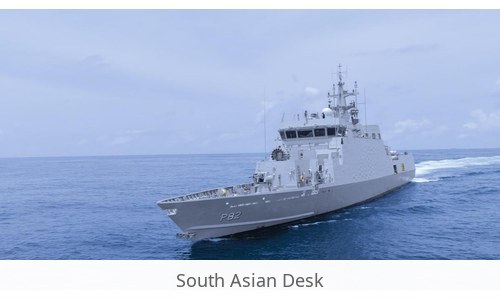
INS Mangrol induction: The Indian Navy’s recent induction of INS Mangrol, an anti-submarine warfare shallow water craft, marks a pivotal moment in India’s maritime security and indigenous warship construction. This development aligns with New Delhi’s strategic push for self-reliance in defense production, reinforcing its naval capabilities in South Asia. The vessel was officially inducted on October 12, 2026, as reported by The Hindu, underscoring its significance in India’s naval modernization efforts.
INS Mangrol Induction: Technological Advancements
Built with over 80% indigenous content, INS Mangrol represents a major leap in India’s naval engineering capabilities. The vessel is equipped with advanced sonar systems and anti-submarine warfare (ASW) technologies, enabling it to detect and neutralize underwater threats effectively. According to The Hindu, the craft is designed to operate seamlessly with maritime patrol aircraft, helicopters, and other warships, enhancing the Indian Navy’s operational flexibility in coastal and shallow water zones. This aligns with the Indian Navy’s anti-submarine warfare strategy, which emphasizes regional preparedness against evolving underwater threats. The ship’s advanced systems are expected to complement existing naval assets, providing a layered defense mechanism in critical maritime corridors.
The technological advancements in INS Mangrol are indicative of India’s growing capabilities in defense manufacturing. The integration of indigenous technologies not only reduces reliance on foreign suppliers but also fosters innovation within the domestic defense sector. The ship’s design and construction reflect a commitment to enhancing operational readiness and effectiveness in various maritime scenarios, particularly in shallow waters where traditional naval vessels may face limitations.
Regional Security Implications
The induction of INS Mangrol comes amid growing maritime challenges in the Indian Ocean region. With China’s increasing naval presence and regional tensions, India’s enhanced ASW capabilities provide a strategic counterbalance. The ship’s deployment is expected to strengthen India’s naval posture in the Bay of Bengal and Arabian Sea, potentially influencing dynamics with neighboring countries. As noted in NDTV’s analysis, the vessel’s capabilities align with India’s broader maritime strategy to secure critical sea lanes and protect coastal interests. This move underscores India’s commitment to maritime security, reinforcing its naval capabilities in South Asia, a strategically vital region. The vessel’s operational range and specialized design for shallow waters are particularly relevant for patrolling India’s extensive coastline and exclusive economic zones.
The strategic implications of INS Mangrol’s induction extend beyond mere military capabilities. It represents a proactive approach to safeguarding national interests in a region characterized by complex geopolitical dynamics. The Indian Navy’s ability to operate effectively in shallow waters enhances its deterrence posture and contributes to regional stability, as it can respond swiftly to emerging threats in maritime domains.
Indigenous Defense Production
The ship’s construction involved collaboration between the Indian Navy and private defense firms, showcasing the country’s growing industrial capacity. This development aligns with Prime Minister Narendra Modi’s vision of self-reliance in defense, which has seen increased investment in indigenous shipbuilding and technology development. The project highlights the progress in indigenous warship construction, a cornerstone of India’s defense production strategy. By reducing reliance on foreign suppliers, India aims to bolster its strategic autonomy and ensure the sustainability of its naval modernization programs. The Mangrol’s induction is part of a broader initiative to develop a robust domestic defense industry, capable of meeting both current and future operational requirements.
The emphasis on indigenous defense production not only strengthens national security but also stimulates economic growth by creating jobs and fostering technological advancements within the country. As India continues to invest in its defense capabilities, the successful induction of vessels like INS Mangrol serves as a testament to the nation’s commitment to building a self-reliant defense ecosystem.
Conclusion
The induction of INS Mangrol signifies a significant milestone in India’s quest for maritime supremacy and technological self-sufficiency. As a specialized anti-submarine warfare vessel, it enhances the Indian Navy’s ability to safeguard national interests in a region characterized by complex geopolitical dynamics. The ship’s capabilities, combined with India’s growing indigenous defense production, position the country as a key player in regional security architecture. The ongoing commitment to enhancing naval capabilities through indigenous means not only strengthens India’s defense posture but also contributes to a more stable and secure maritime environment in South Asia.
Follow SouthAsianDesk on X, Instagram and Facebook for insights on business and current affairs from across South Asia.
The wider context of this developing story also includes Indian Navy anti-submarine warfare.
This report focuses on INS Mangrol induction and the verified developments surrounding it.
This report focuses on INS Mangrol induction and the verified developments surrounding it.
More about the Indian Navy:
Sources
- INS Mangrol, anti-submarine warfare shallow water craft, inducted into Navy – thehindu.com
- All About Mangrol Anti-Submarine Warfare Craft Set To Be Commissioned Today – ndtv.com
Image: th-i.thgim.com