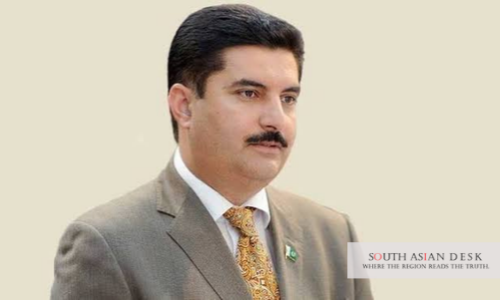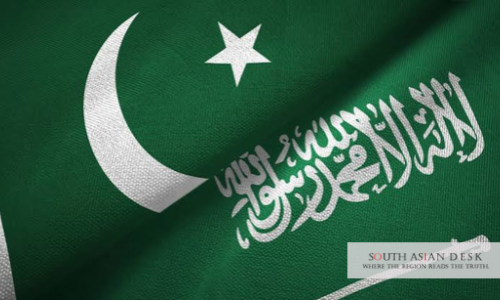
The Makkah defence pact has cleared an important legal milestone, with Pakistan and Saudi Arabia having completed their ratification processes, Foreign Office (FO) spokesperson Sajjad Haider Khan said on Friday, October 23. He added that Turkiye, the third signatory, is still undertaking the required procedures under its domestic law.
Where the Ratification Stands
Pakistan, Saudi Arabia and Turkiye signed the Makkah Joint Defence Agreement in August. Mr. Khan, answering questions after the weekly press briefing, said each country follows its own constitutional and legal procedures to approve international agreements. Turkiye submitted the pact to its parliament for ratification earlier this week, according to Dawn.
The spokesperson said matters relating to the agreement, including its ratification and operationalisation, remain under discussion among the three parties. This included talks in the Strategic Political and Defence Committee, which most recently met on October 5.
What the Makkah Defence Pact Provides
At the core of the agreement is a collective defence clause. Under Article 2, an armed attack on one member is treated as an attack on all. Mr. Khan described the pact as essentially defensive in nature and consistent with Article 51 of the UN Charter, which recognises the right to self-defence. He said it is not directed against any particular country and provides a framework for collective assistance if a party faces external armed aggression.
On how that assistance would work, the spokesperson said its nature and extent would be decided jointly by the three countries as circumstances arise, following an objective assessment. He also said the agreement contains no concealed provisions and that Pakistan endorses the text released by the Turkish Parliament.
The Backdrop of Houthi Attacks
The pact has taken on added significance amid Houthi attacks on Saudi Arabia. Dawn reported that Inter-Services Public Relations Director General Lt Gen Ahmed Sharif Chaudhry said earlier this week that Pakistan was providing whatever support is needed to defend the kingdom. Earlier this month, the FO said the three countries had agreed to rapidly deploy military forces and capabilities in Saudi Arabia after an emergency meeting of the Strategic Political and Defence Committee in Riyadh. That statement did not name a specific threat.
The regional context is one of escalating conflict. According to Dawn, the Houthis and Saudi Arabia have traded strikes since the Houthis seized Yemen’s entire Red Sea coast and took control of the Bab al-Mandab strait in a rapid offensive in September.
Asked whether the pact might be invoked in response to the attacks, Mr. Khan said that decision rests with the three partner countries in line with the agreement. He did not indicate whether such a step is under consideration.
Pakistan’s Position on Yemen
Mr. Khan said Pakistan is concerned about the recent attacks and their implications for regional peace. He reiterated Islamabad’s support for Yemen’s sovereignty, unity and territorial integrity, and said a lasting solution can come only through dialogue and a negotiated political settlement. At the same time, Pakistan unequivocally condemns attacks on Saudi Arabia and reaffirms its commitment to the kingdom’s sovereignty, territorial integrity and security. He added that Pakistan supports any meaningful diplomatic effort that could end hostilities and produce a durable settlement.
Domestic Legal Questions
The FO has previously addressed the question of parliamentary involvement. Dawn noted that the ministry had stated that signing the agreement and committing military capabilities under it were executive functions under Pakistan’s national laws and Rules of Business, and did not necessarily require parliamentary approval. The report did not include any response to that position from lawmakers or legal experts.
Outlook for the Makkah Defence Pact
With two of three ratifications complete and Turkiye’s parliamentary process under way, attention now turns to how the arrangement will be operationalised. The spokesperson stressed Pakistan’s continued commitment to both the letter and spirit of the agreement. Much will depend on how the situation in Yemen and around Saudi Arabia evolves, and on the three governments’ collective assessment of any threat. For now, the Makkah defence pact stands as a formally ratified commitment between Islamabad and Riyadh, with Ankara expected to follow.
Follow SouthAsianDesk on X, Instagram and Facebook for insights on business and current affairs from across South Asia.